Is your Nissan Altima making a strange whining noise that you can’t ignore? You’re not alone.
That persistent sound can be worrying and confusing, especially when you don’t know what’s causing it. But understanding why your car is whining is the first step to fixing it and keeping your Altima running smoothly. You’ll discover the most common reasons behind that noise and what you can do about them before the problem gets worse.
Keep reading to protect your car and your peace of mind.
Common Whining Noise Sources
Whining noises from a Nissan Altima often point to common mechanical issues. These sounds usually come from parts that work hard under pressure. Identifying the source helps in fixing the problem quickly. Many drivers hear whining but do not know why it happens. Understanding the usual causes can save time and money.
Power Steering Issues
A whining noise often means low power steering fluid. The pump struggles without enough fluid. It makes a high-pitched sound when turning the wheel. Old or dirty fluid can also cause noise. Check the fluid level regularly to avoid damage. Fixing leaks or refilling the fluid stops the whining.
Transmission Problems
The transmission may produce whining if fluid is low or old. Gears inside the transmission do not move smoothly. This causes a persistent whining sound when driving. Transmission fluid helps keep parts cool and lubricated. Changing the fluid at the right time reduces noise. Ignoring the sound can lead to costly repairs.
Alternator Concerns
The alternator can make whining noises if it is failing. Bearings inside the alternator wear out over time. This wear causes a high-pitched sound that changes with engine speed. A weak alternator also struggles to charge the battery. Replacing the alternator stops the whining and restores power.
Wheel Bearing Wear
Worn wheel bearings often cause whining noises while driving. The bearings support the wheel and allow it to spin freely. When damaged, they produce a whining or grinding sound. This noise grows louder with speed. Regular inspection of wheel bearings ensures safe driving. Early replacement prevents further damage and noise.
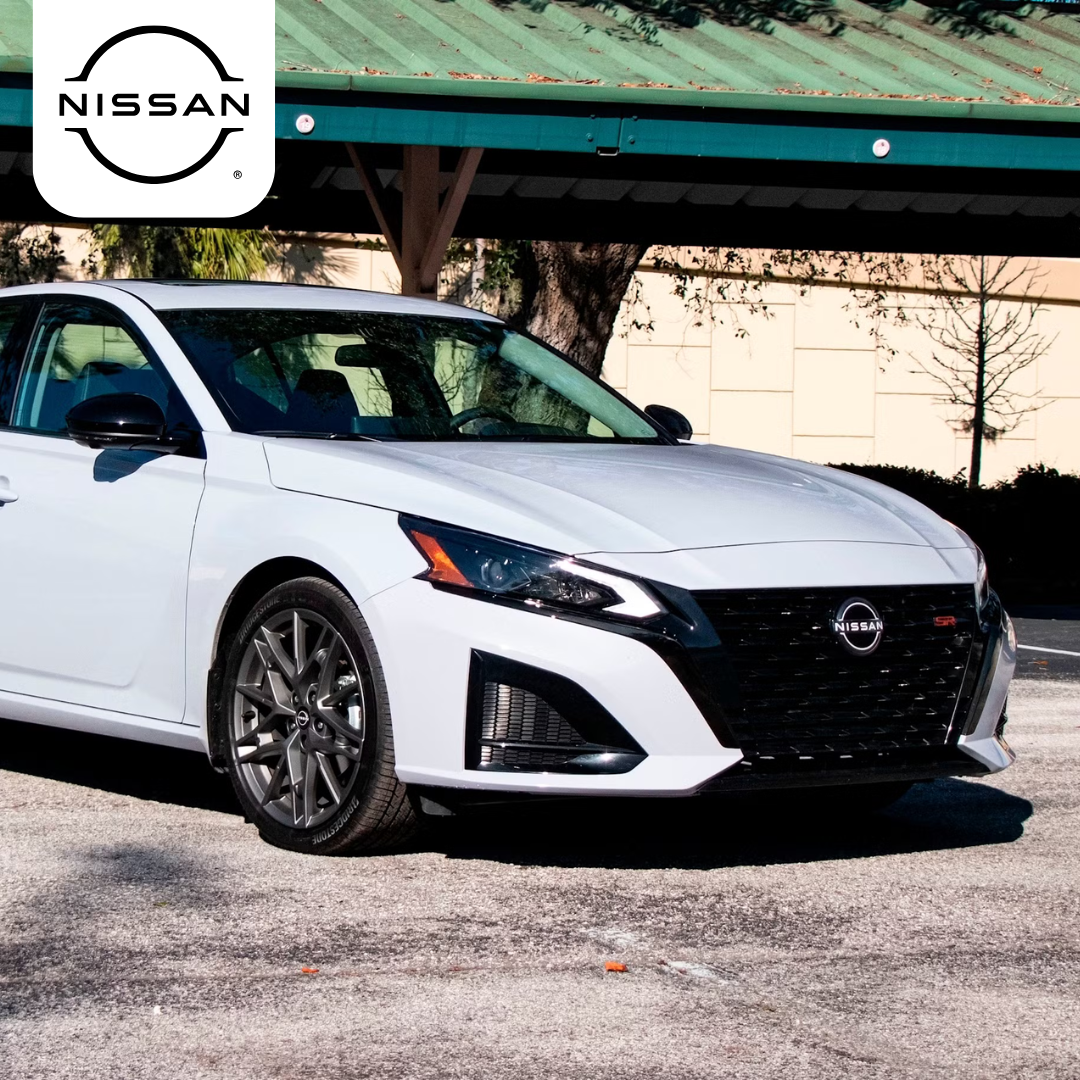
Credit: www.mossynissannationalcity.com
Diagnosing The Noise
Diagnosing the whining noise in your Nissan Altima is the first step to fixing it. Understanding when the noise happens, where it comes from, and what type it is will help find the cause. This guide breaks down the key points to check before visiting a mechanic.
When The Noise Occurs
Pay attention to the exact moments the whining noise happens. Does it start when you turn the key or only while driving? Notice if the noise appears during acceleration, braking, or idling. This information helps narrow down the problem.
Noise Location And Type
Try to find where the noise comes from. Listen carefully near the engine, wheels, or under the car. Is the sound high-pitched or low? A sharp, high-pitched whine often points to belt or pulley issues. A softer noise might relate to the power steering or transmission.
Tools For Diagnosis
Use simple tools to assist in finding the noise source. A mechanic’s stethoscope or a long screwdriver can help isolate sounds. A flashlight is useful to see belts and pulleys clearly. Recording the noise on your phone may also help when consulting a professional.
Power Steering System Problems
The power steering system in your Nissan Altima helps you steer with ease. It uses fluid and parts to make turning smooth. A whining noise often signals a problem in this system. Knowing these issues helps you fix the noise quickly.
Low Power Steering Fluid
Power steering fluid moves through the system to help steering. Low fluid levels cause the pump to work harder. This makes a high-pitched whining noise. Leaks or not refilling the fluid can cause low levels. Check the fluid regularly to avoid noise and damage.
Damaged Power Steering Pump
The power steering pump pushes fluid through the system. Over time, the pump parts can wear out or break. A damaged pump often makes whining or groaning sounds. Pump failure means steering will feel heavy and noisy. Replacing the pump fixes the noise and restores smooth steering.
Worn Steering Components
Steering parts like belts and hoses wear out over time. A loose or cracked belt can slip and cause whining. Old hoses may leak fluid, lowering fluid levels. Worn parts make the steering system noisy and less effective. Inspect these components to keep your Altima quiet and safe.

Credit: www.reddit.com
Transmission Whining Causes
Hearing a whining noise from your Nissan Altima’s transmission can signal trouble. Understanding the causes helps you know what to check first. Transmission whining often points to fluid issues or internal damage. Acting fast can prevent costly repairs.
Low Transmission Fluid
Low transmission fluid is a common cause of whining noises. Fluid lubricates the moving parts inside the transmission. Without enough fluid, parts rub together and create noise. Check the fluid level regularly. Add fluid if it is low. Use the fluid type recommended by Nissan.
Transmission Fluid Quality
Old or dirty transmission fluid can also cause whining sounds. Over time, fluid loses its ability to lubricate. It may become thick or contaminated. This makes transmission parts work harder and produce noise. Changing the fluid at the right time keeps the transmission healthy.
Internal Transmission Damage
Internal damage can cause whining noises in the transmission. Worn gears or bearings create sounds when they move. Damage can result from poor maintenance or low fluid levels. Fixing internal damage early avoids bigger problems. A mechanic can inspect and repair the transmission if needed.
Alternator And Electrical Issues
The alternator plays a key role in your Nissan Altima’s electrical system. It charges the battery and powers the electrical parts. Problems with the alternator or related components can cause whining noises. These sounds often come from worn parts or tension issues in the belts.
Understanding these issues can help you find the source of the noise. It also helps in deciding when to visit a mechanic. Below are common alternator and electrical problems that may cause whining sounds.
Worn Alternator Bearings
Inside the alternator, bearings allow smooth rotation. Over time, these bearings wear out. Worn bearings cause a high-pitched whining noise. The sound grows louder as the engine speed increases. This noise can also signal future alternator failure. Regular checks can catch this issue early.
Loose Or Damaged Belts
The alternator is driven by a belt connected to the engine. If this belt is loose or damaged, it can slip. Slipping belts produce a whining or squealing noise. Cracks or fraying on the belt surface are common signs. Tightening or replacing the belt can stop the noise. Proper belt tension keeps the alternator working well.
Electrical Load Effects
When electrical devices use more power, the alternator works harder. Increased load can cause the alternator to emit a whining sound. This noise often appears when using headlights or air conditioning. It can also happen if the battery is weak. Reducing electrical load or checking the battery helps reduce noise.
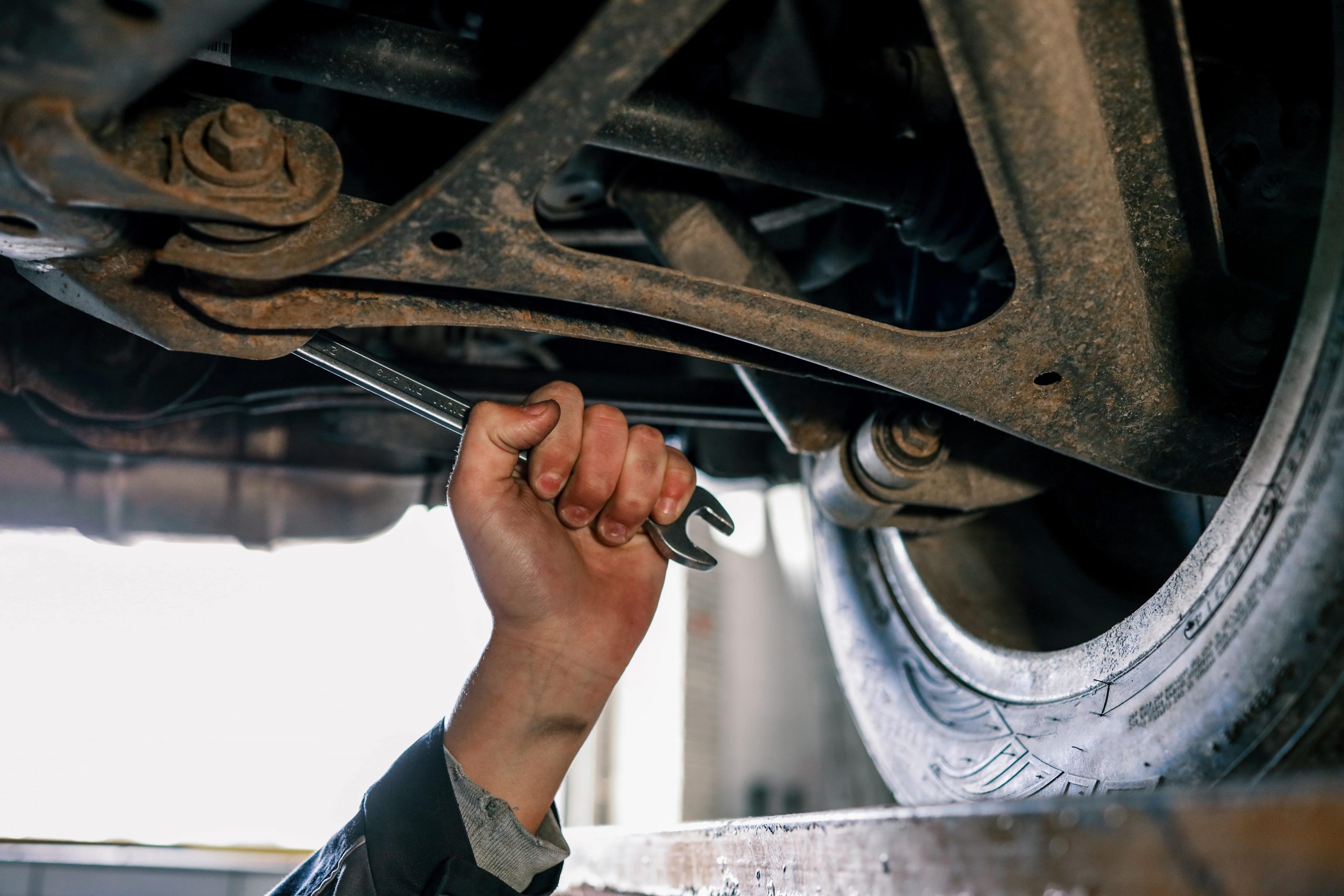
Credit: www.carsonnissan.com
Wheel And Brake-related Noises
Whining noises from your Nissan Altima can often come from the wheels or brakes. These sounds signal issues that need attention. Ignoring them may cause bigger problems and costly repairs. Understanding common wheel and brake-related noises helps you act quickly.
Worn Wheel Bearings
Wheel bearings allow the wheels to spin smoothly. When they wear out, a high-pitched whining noise may occur. The sound often changes with speed. You may also feel vibration or pulling while driving. Worn bearings affect safety and handling.
Brake System Problems
Brakes can cause whining if pads or rotors are damaged. Thin brake pads create a squealing or whining noise. Warped rotors also cause unusual sounds when braking. Brake fluid leaks or low levels may add to noise issues. Proper brake maintenance stops these noises.
Suspension Component Wear
Suspension parts connect wheels to your car’s frame. Worn bushings or joints can cause whining noises. The noise may increase on rough roads or turns. Suspension wear affects ride comfort and vehicle control. Early checks prevent further damage.
Preventive Measures
Preventive measures help stop whining noises in your Nissan Altima. Taking care of small issues early saves money and stress. Simple steps keep your car running smooth and quiet. Follow these easy tips for better performance and fewer repairs.
Regular Fluid Checks
Fluids keep your car parts moving well. Check engine oil, transmission fluid, and power steering fluid often. Low or dirty fluids cause whining sounds. Change fluids as the manual suggests. Clean fluids reduce friction and noise.
Timely Maintenance
Fix problems before they get worse. Follow your Nissan’s maintenance schedule strictly. Replace worn belts and hoses quickly. Tighten or replace loose parts. Good maintenance prevents noises and keeps your car safe.
Professional Inspections
Have a mechanic check your car regularly. Professionals find hidden issues you might miss. They test your transmission, brakes, and engine systems. Early detection stops whining noises from growing. Trust experts to keep your Altima quiet and smooth.
Frequently Asked Questions
Why Does My Nissan Altima Make A Whining Noise When Accelerating?
A whining noise during acceleration often means the transmission fluid is low or the transmission is wearing out.
Can A Bad Power Steering Cause Whining In My Nissan Altima?
Yes, low power steering fluid or a failing pump can cause a whining noise while turning.
Is A Whining Noise From The Alternator Normal In A Nissan Altima?
A whining alternator usually signals a worn bearing or belt that needs inspection or replacement.
Could A Worn Belt Cause Whining Noise In My Nissan Altima?
Yes, a loose or worn serpentine belt often creates a high-pitched whining noise.
Does The Cvt Transmission In Nissan Altima Cause Whining Sounds?
CVT transmissions can produce whining noises when fluid is low or the belt inside is worn.
When Should I Get My Nissan Altima’s Whining Noise Checked?
Persistent whining noises should be checked promptly to avoid costly damage and ensure safe driving.
Conclusion
A whining noise in your Nissan Altima should not be ignored. It often signals a problem with belts, bearings, or the power steering. Early checks can save you money and stress later. Pay attention to the sound’s pattern and timing.
Visiting a mechanic helps find the exact cause. Fixing the noise keeps your car safe and running smooth. Remember, small issues can turn into big repairs quickly. Stay alert and act fast to protect your Altima’s health.
As an Amazon Associate, I earn from qualifying purchases