Have you noticed your Nissan Altima shaking every time you press the gas pedal? It’s frustrating, and you might be wondering if it’s something serious or just a minor issue.
This shaking can make driving uncomfortable and even unsafe if ignored. But don’t worry—you’re not alone, and understanding why this happens is the first step to fixing it. You’ll discover the most common reasons behind your Altima’s shaking during acceleration and what you can do to get back to a smooth ride.
Keep reading to find out how to protect your car and your peace of mind.
Common Reasons For Shaking
Shaking during acceleration is a common issue in many Nissan Altimas. It signals that something is wrong with the vehicle. Understanding the common reasons helps spot the problem quickly. Early detection can prevent bigger repairs and keep driving safe.
Engine Misfires
Engine misfires cause uneven power delivery. This makes the car shake or jerk during acceleration. Misfires happen when fuel or air supply is off. Dirty fuel injectors or a bad ignition system can cause this. Fixing misfires improves engine performance and smooths the ride.
Worn Out Tires
Tires wear down over time and lose balance. Worn tires cause vibration, especially when speeding up. Check for bald spots or uneven wear. Replacing old tires can stop shaking and improve grip. Proper tire care also extends their life.
Unbalanced Wheels
Wheels need to be balanced for smooth driving. Unbalanced wheels cause vibrations that grow with speed. This issue is common after tire changes or repairs. Balancing the wheels evenly distributes weight. It makes acceleration smoother and reduces wear on parts.
Faulty Spark Plugs
Spark plugs ignite fuel inside the engine. Faulty plugs cause weak or missed sparks. This leads to engine hesitation and shaking. Replacing old or dirty spark plugs restores smooth acceleration. It also helps save fuel and lowers emissions.
Damaged Motor Mounts
Motor mounts hold the engine in place. When mounts wear out, the engine moves too much. This movement causes shaking during acceleration. Damaged mounts also create noise and reduce comfort. Repairing or replacing mounts secures the engine and stops vibrations.
Transmission Issues
Your Nissan Altima shaking during acceleration can point to transmission issues. The transmission moves power from the engine to the wheels. Problems here can cause vibrations or shaking. Understanding common transmission problems helps you find the right fix faster.
Low Transmission Fluid
Transmission fluid lubricates and cools the moving parts inside. Low fluid levels cause parts to rub harshly together. This rubbing creates vibrations and shaking while you accelerate. Leaks or worn seals often cause fluid loss. Checking and refilling the fluid can reduce or stop the shaking. Regular fluid changes keep the transmission healthy.
Worn Transmission Components
Inside the transmission, many small parts work together. Gears, clutches, and bands wear out over time. Worn parts can slip or fail to engage properly. This slipping causes the car to shake or jerk forward. Repair or replacement of worn components restores smooth acceleration. Ignoring worn parts can lead to bigger, costly damage.
Suspension And Steering Problems
The suspension and steering systems keep your Nissan Altima stable and controlled. Problems in these parts can cause shaking when accelerating. Understanding these issues helps you spot trouble early. It also protects your safety and car’s performance.
Worn Suspension Parts
Suspension parts wear out over time. Shocks and struts lose their ability to absorb bumps. Worn bushings and ball joints cause loose movement. This wear can lead to vibrations when you speed up. The car may feel unstable or bounce more than usual. Replacing worn suspension parts restores smooth driving and stability.
Loose Or Damaged Steering Components
Steering parts can become loose or damaged. Tie rods, steering rack, and linkages may wear or break. These issues cause shaky or wobbly steering feel. The car might pull to one side or shake during acceleration. Tightening or replacing steering parts improves control and stops shaking. Regular checks keep steering safe and responsive.

Credit: www.reddit.com
Fuel System Concerns
The fuel system is key to your Nissan Altima’s smooth drive. It sends fuel to the engine for power. Problems here can cause shaking when you accelerate. Fuel may not reach the engine properly. This causes the engine to misfire or run rough.
Fuel system issues often show as shaking or vibration during acceleration. Two common causes are clogged fuel injectors and dirty fuel filters. These parts need to work well to keep fuel flowing freely.
Clogged Fuel Injectors
Fuel injectors spray fuel into the engine’s cylinders. Dirt and debris can block them over time. This stops fuel from reaching the engine evenly. Some cylinders get less fuel, causing rough engine running. Your car may shake or hesitate when you press the gas pedal.
Cleaning or replacing clogged injectors can restore smooth fuel flow. Regular fuel injector maintenance helps prevent this problem.
Dirty Fuel Filter
The fuel filter cleans dirt from the fuel before it reaches the engine. A dirty filter can slow or block fuel flow. The engine does not get enough fuel to run well. This can lead to shaking during acceleration.
Changing the fuel filter on time keeps fuel flowing well. It supports steady engine performance and smooth acceleration.
Brake System Causes
The brake system can cause your Nissan Altima to shake while accelerating. Problems here often create vibrations felt through the steering wheel or brake pedal. These vibrations may get worse as speed increases. Understanding brake system causes helps identify the problem quickly.
Warped Brake Rotors
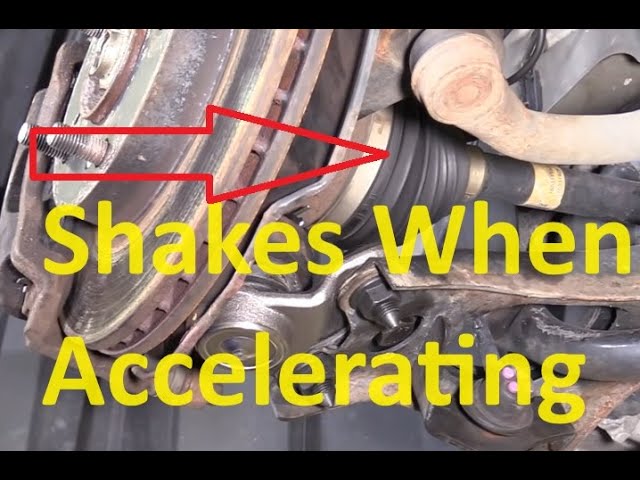
Warped brake rotors cause shaking during acceleration. Rotors can warp from heat build-up or wear. Warping leads to uneven contact with brake pads. This uneven contact creates vibrations that spread through the car. Driving at higher speeds makes shaking more noticeable. Replacing or resurfacing the rotors often solves this issue.
Sticking Brake Calipers
Sticking brake calipers also cause your car to shake. Calipers hold the brake pads and press them against rotors. If a caliper sticks, it keeps the brake pads pressed too hard. This causes extra friction and uneven braking. The result is shaking or pulling during acceleration. Cleaning or replacing the calipers helps stop the shaking.

Credit: www.youtube.com
Diagnosing The Problem
Diagnosing why your Nissan Altima shakes during acceleration helps find the exact cause. Early diagnosis can prevent bigger problems and costly repairs. Simple checks can reveal common issues quickly.
Start by observing the car carefully. Note when the shaking happens and what feels different. This information guides the next steps in fixing the problem.
Visual Inspection Tips
Check the tires for uneven wear or damage. Look for cracks, bulges, or low pressure. Inspect the wheels for loose lug nuts or bent rims. Examine the suspension parts for broken or worn components. Look under the hood for leaks, loose wires, or damaged belts. A quick visual check can spot obvious issues that cause shaking.
When To Visit A Mechanic
Visit a mechanic if the shaking is strong or lasts long. Also, seek help if warning lights appear on the dashboard. Strange noises or smells with the shaking need professional attention. Do not ignore shaking that affects steering or braking. A mechanic has tools to find hidden problems safely and fix them properly.
Preventive Measures
Preventive measures keep your Nissan Altima running smooth and safe. Regular checks stop small problems from growing. They help avoid shaking during acceleration. Follow these tips to protect your car’s health.
Regular Maintenance Schedule
Set a clear maintenance plan for your car. Change engine oil on time. Replace air filters and spark plugs as needed. Check the transmission fluid regularly. Worn parts cause engine vibrations. Proper maintenance reduces the risk of shaking. Use a trusted mechanic to inspect your Altima often.
Tire Care And Rotation
Check tire pressure monthly. Uneven pressure causes shaking and poor handling. Rotate tires every 6,000 to 8,000 miles. This balances tire wear and improves ride quality. Inspect tires for damage or wear. Replace tires that are bald or cracked. Well-maintained tires prevent vibrations during acceleration.
Credit: www.youtube.com
Frequently Asked Questions
Why Does My Nissan Altima Shake During Acceleration?
Shaking often means a problem with tires, engine mounts, or spark plugs. Check these parts first.
Can Bad Tires Cause My Nissan Altima To Shake?
Yes, worn or unbalanced tires can cause shaking when accelerating. Inspect and balance your tires.
Could Engine Issues Make My Altima Shake When Speeding Up?
Yes, engine misfires or faulty spark plugs often cause shaking during acceleration. Get your engine checked.
Does Transmission Trouble Cause My Nissan Altima To Shake?
Transmission problems can lead to shaking. Issues with gears or fluid might be the cause.
Can Dirty Fuel Injectors Make My Altima Shake?
Clogged fuel injectors disrupt fuel flow, causing the car to shake. Cleaning them can help.
How Do Engine Mounts Affect Shaking In A Nissan Altima?
Worn or broken engine mounts let the engine move too much, causing shaking during acceleration.
Conclusion
A shaking Nissan Altima during acceleration signals a problem. It may come from worn tires, bad spark plugs, or engine issues. Ignoring the shake can lead to bigger, costly repairs. Regular check-ups help keep your car smooth and safe. Fix problems early to enjoy a comfortable drive.
Pay attention to signs and act quickly. Your car will thank you with better performance and safety.
As an Amazon Associate, I earn from qualifying purchases