Are you trying to decide between the Nissan Rogue and the Hyundai Santa Fe but can’t figure out which one offers more space? Choosing the right SUV means knowing which model fits your lifestyle and family needs better.
You want a vehicle that feels roomy, comfortable, and practical every time you get behind the wheel. You’ll discover exactly how the Nissan Rogue and Hyundai Santa Fe compare in size—inside and out—so you can make the best choice without any guesswork.
Keep reading to find out which SUV truly gives you more room to breathe and enjoy your drive.

Credit: www.nucarhyundainorthkingstown.com
Exterior Dimensions
Exterior dimensions matter a lot when choosing an SUV. They affect parking, driving, and passenger comfort. Comparing the Nissan Rogue and Hyundai Santa Fe helps understand which is bigger outside. Size can influence your daily use and cargo space.
Length Comparison
The Hyundai Santa Fe is longer than the Nissan Rogue. Santa Fe measures about 188.4 inches in length. Rogue is shorter, around 183 inches long. A longer vehicle often means more room inside.
Width And Height Differences
Santa Fe is wider than the Rogue. It measures about 74.8 inches across. Rogue is narrower, at roughly 72.4 inches wide. Height also varies. Santa Fe stands taller at 66.3 inches. Rogue is slightly lower, about 66.1 inches tall.
Ground Clearance Insights
Ground clearance affects off-road and rough road ability. Nissan Rogue offers about 8.4 inches of clearance. Hyundai Santa Fe has slightly less, at 7.3 inches. Higher clearance means better ability on uneven roads.
Credit: www.edmunds.com
Interior Space
The interior space of a vehicle affects comfort and usability. Both the Nissan Rogue and Hyundai Santa Fe offer roomy cabins. Each SUV balances passenger comfort with cargo space differently. Understanding these differences helps in choosing the right vehicle.
Passenger Room
The Hyundai Santa Fe provides more passenger space overall. It offers greater headroom and legroom for both front and rear seats. The Nissan Rogue is slightly smaller but still comfortable for daily use. Taller passengers may find the Santa Fe more accommodating on long trips.
Cargo Capacity
The Nissan Rogue offers more cargo space behind the rear seats. It also expands well with the seats folded down. The Hyundai Santa Fe has less cargo room but offers a flat load floor. Both SUVs allow easy storage of groceries and luggage.
Seating Comfort And Layout
The Santa Fe seats have firmer support and adjustable options. The Rogue focuses on softer seating with good cushioning. Both models provide easy seat folding and access to rear rows. The Santa Fe offers an optional third row, adding extra seating space.
Performance Impact Of Size
Size affects how a vehicle performs on the road. Bigger cars often feel different than smaller ones. The Nissan Rogue and Hyundai Santa Fe vary in size, which changes their driving experience. Size impacts handling, maneuverability, and fuel use. Understanding these effects helps choose the right SUV for daily driving.
Handling And Maneuverability
The Nissan Rogue is smaller and lighter than the Hyundai Santa Fe. This difference makes the Rogue easier to steer in tight spaces. Parking and city driving feel less stressful in the Rogue. The Santa Fe’s larger size gives it a stable ride on highways. It may feel less agile during quick turns or narrow roads. Drivers who want easier control may prefer the Rogue.
Fuel Efficiency Considerations
Smaller size often means better fuel efficiency. The Nissan Rogue uses less gas than the bigger Santa Fe. This saves money on long drives and daily trips. The Santa Fe’s larger body and engine need more fuel. Fuel costs may add up over time. Choosing a smaller SUV like the Rogue can lower fuel expenses.
Design And Style Influence
Design and style shape how a vehicle feels and fits your lifestyle. Nissan Rogue and Hyundai Santa Fe show distinct approaches to design. Each model reflects its brand’s identity and appeals to different tastes. Size plays a role in their style but so does the way they use space and form. This section explores their design influence.
Exterior Aesthetics
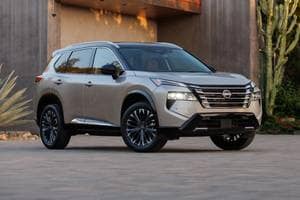
Nissan Rogue has a sleek and modern look. Its lines are smooth and aerodynamic. The front grille is bold but not too large. LED headlights give it a sharp appearance. The overall shape is compact yet sporty. It fits well in urban settings and tight parking spots.
Hyundai Santa Fe looks bigger and more rugged. It has a wider stance and higher ground clearance. The front features a large, aggressive grille. Angular headlights add to its tough look. The body has strong character lines. It gives a sense of power and presence on the road.
Interior Design Features
Nissan Rogue’s interior focuses on comfort and usability. It uses soft materials and offers a clean layout. Controls are easy to reach and understand. The cabin feels open thanks to large windows. Seating is cozy, with enough room for most passengers.
Hyundai Santa Fe provides a more spacious and upscale interior. It offers more legroom and wider seats. The dashboard has a modern design with a large touchscreen. Quality materials cover surfaces for a premium feel. It aims for a balance between comfort and luxury.
Practical Usage Scenarios
Choosing between the Nissan Rogue and Hyundai Santa Fe depends on how you plan to use the vehicle. Both SUVs offer different strengths that fit various daily needs. Practical usage shows which model suits your lifestyle best. Below, explore how each performs in common scenarios.
Urban Driving
The Nissan Rogue feels lighter and easier to park in tight city spots. Its compact size helps with quick lane changes and narrow roads. The Santa Fe is larger, making it less agile in heavy traffic. But it offers a higher driving position for better city views.
Family Needs
The Santa Fe provides more interior space for families. It offers roomy seats and a bigger cargo area for groceries or gear. The Rogue is smaller but still fits small families comfortably. It has good safety ratings and enough space for daily school runs.
Off-road And Adventure
The Hyundai Santa Fe handles rough roads better with its stronger suspension. It also has options for all-wheel drive and hill descent control. The Rogue can manage light off-road paths but is best on paved surfaces. Adventure seekers may prefer the Santa Fe for tougher trips.

Credit: www.carmax.com
Frequently Asked Questions
Which Suv Is Larger, Nissan Rogue Or Hyundai Santa Fe?
The Hyundai Santa Fe is larger in overall size and interior space than the Nissan Rogue.
How Does The Cargo Space Compare Between Both Suvs?
The Santa Fe offers more cargo space behind the seats than the Rogue.
Which Vehicle Provides More Passenger Room Inside?
Hyundai Santa Fe has more legroom and headroom for passengers than Nissan Rogue.
Are Both Suvs Similar In Exterior Dimensions?
No, the Santa Fe is longer and wider compared to the more compact Rogue.
Which Suv Is Better For Families Needing Space?
Santa Fe suits families better due to its bigger cabin and storage.
Does Size Affect Fuel Efficiency In These Suvs?
Rogue usually has better fuel economy since it is smaller and lighter than Santa Fe.
Conclusion
The Nissan Rogue and Hyundai Santa Fe both offer good space. The Santa Fe is bigger in size and cargo room. The Rogue feels smaller but is easy to drive. Choosing depends on your space needs and style. Both SUVs suit families and daily trips well.
Size is just one part of the decision. Think about what fits your life best. Your choice will match your needs and budget.
As an Amazon Associate, I earn from qualifying purchases