If you’re curious about where the catalytic converter is located on your Nissan Altima, you’re in the right place. Knowing exactly where this part sits can save you time, money, and stress—especially if you’re dealing with car troubles or planning some maintenance.
You’ll discover the precise spot of the catalytic converter on your Altima and why it matters for your vehicle’s health. Keep reading to get the clear, simple answers you need to take better care of your car.
Catalytic Converter Location
The catalytic converter is a key part of your Nissan Altima’s exhaust system. It helps reduce harmful gases from the engine. Knowing its location can help with maintenance or repairs. The converter sits between the engine and the muffler. It is usually easy to find under the car.
This part needs to be checked regularly. It can wear out or get damaged over time. Finding it quickly saves time and effort during inspections or replacements.
Position Under The Vehicle
The catalytic converter is located underneath the Nissan Altima. It is near the center of the car’s underside. You can see it by looking under the car from the side. It connects to the exhaust pipe system. This position helps it clean exhaust gases before they leave the car.
Its metal casing looks like a small, oval box. You might need to lift the car slightly to get a better view. Make sure the car is secure before checking underneath.
Near The Exhaust Manifold
The catalytic converter sits close to the exhaust manifold. The manifold collects gases from the engine cylinders. Then it sends these gases to the converter. This location helps the converter heat up quickly. High heat is needed for it to work properly.
The converter is connected by pipes right after the manifold. This setup improves the car’s emission control. It also keeps the engine running smoothly.

Credit: www.youtube.com
Identifying The Part
Knowing how to identify the catalytic converter on a Nissan Altima is helpful. This part plays a key role in reducing harmful emissions from the engine. Recognizing it can aid in maintenance and repairs. The catalytic converter is located under the car, near the exhaust system. It is important to spot it correctly for safety and proper care.
Physical Characteristics
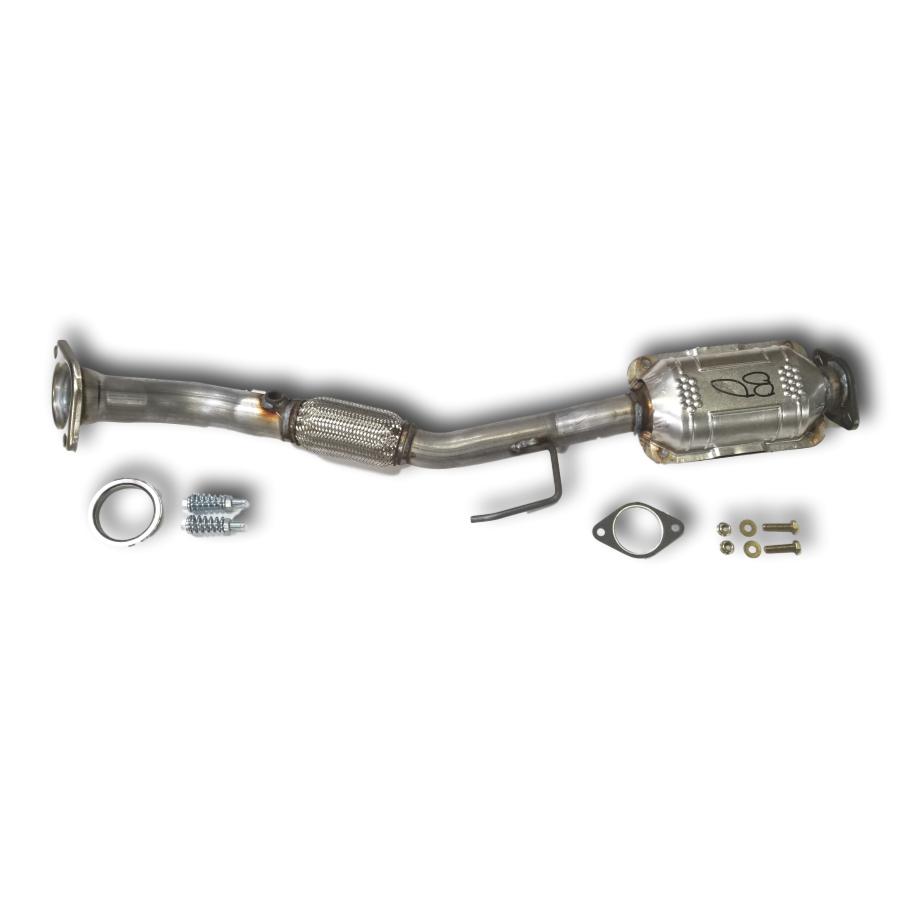
The catalytic converter is a metal canister. It looks like a small, thick cylinder or oval shape. The surface is usually made of stainless steel. It connects to the exhaust pipe on both ends. The size is about the length of a large book. It feels solid and heavy to hold. The color is often silver or gray. Rust or dirt may cover it, depending on the car’s age.
Common Markings And Labels
Most catalytic converters have markings on the metal surface. These include numbers or letters that show the part number. You might find the Nissan logo or brand name. Some have stickers with barcodes or certification labels. These labels prove the part meets emission standards. The markings help confirm the part is original. Checking these helps avoid counterfeit or wrong parts.
Tools Needed For Inspection
Inspecting the catalytic converter on a Nissan Altima requires the right tools. Having the proper equipment makes the job easier and safer. This section lists essential tools you need for a smooth inspection.
Basic Hand Tools
Start with a socket wrench set to remove bolts. A ratchet helps reach tight spots under the car. Use a flashlight or work light for better visibility. A flathead screwdriver can help pry off heat shields. Gloves protect your hands from sharp edges. Also, a jack and jack stands lift the car safely.
Safety Equipment
Wear safety goggles to protect your eyes from debris. Use gloves to avoid burns and cuts. A dust mask prevents inhaling dirt or rust particles. Make sure the car is on a flat surface before lifting. Always use jack stands; never rely only on a jack. Proper safety gear keeps you safe during inspection.
Steps To Locate The Catalytic Converter
Locating the catalytic converter on a Nissan Altima is simple with clear steps. This guide helps you find it quickly and safely. The catalytic converter is part of the exhaust system and reduces harmful emissions. Knowing its position is useful for repairs or checks.
Raising The Vehicle Safely
Start by parking the car on a flat surface. Use wheel chocks to stop the car from moving. Lift the front of the Nissan Altima with a car jack. Place jack stands under the car for support. Never work under a car held only by a jack. Make sure the vehicle is stable before crawling underneath.
Tracing The Exhaust System
Look under the car near the engine area. Find the exhaust pipe coming out from the engine. Follow this pipe toward the middle of the vehicle. The catalytic converter is a metal box attached to the exhaust pipe. It is usually located between the engine and the muffler. It looks like a small, flat, or oval-shaped canister. Check for heat shields around it; they protect the converter from heat.
Signs Of A Faulty Catalytic Converter
The catalytic converter is a key part of your Nissan Altima’s exhaust system. It helps reduce harmful gases from the engine. When it starts to fail, the car shows clear signs. Recognizing these signs early can save you from costly repairs and keep your car running smoothly.
Watch for changes in how your car sounds, feels, and performs. These clues often point to a faulty catalytic converter.
Unusual Noises
A bad catalytic converter can cause strange noises under your car. You might hear rattling or banging sounds. These noises happen when the internal parts break or become loose. Pay attention if the sounds increase with engine speed or when you accelerate.
Check Engine Light
The check engine light often comes on with a failing catalytic converter. The car’s computer detects problems in the exhaust system. This triggers the warning light on your dashboard. A diagnostic scan can confirm if the catalytic converter is the cause.
Reduced Engine Performance
A clogged or damaged catalytic converter limits exhaust flow. Your Nissan Altima may feel slower or less powerful. You might notice poor acceleration or difficulty climbing hills. Fuel efficiency can also drop, causing more frequent stops at the gas station.
Credit: mufflerexpress.com
Replacement Considerations
The catalytic converter on a Nissan Altima plays a key role in reducing harmful emissions. Over time, it may wear out or get damaged. Replacing it requires careful thought. Choosing the right parts and installation method can affect your car’s performance and safety.
Understanding the options available helps you make a smart choice. Two main points to consider are the type of parts used and the benefits of professional installation.
Oem Vs Aftermarket Parts
OEM parts come from the car’s original manufacturer. They match the exact specifications of the original catalytic converter. This ensures proper fit and function. OEM parts often last longer and maintain vehicle warranty.
Aftermarket parts are made by other companies. They usually cost less than OEM parts. Some aftermarket converters work well, but quality varies. Poor-quality parts can cause problems and fail emissions tests.
Choosing between OEM and aftermarket depends on your budget and needs. OEM parts offer reliability. Aftermarket parts may save money but require careful selection.
Professional Installation Benefits
Installing a catalytic converter involves working under the car. It requires special tools and skills. A professional mechanic ensures the part fits correctly. They check for leaks and secure all connections.
Proper installation helps avoid future problems. It improves car safety and performance. Professionals also handle legal rules about emissions parts. This keeps your vehicle compliant with local laws.
DIY installation may seem cheaper but can cause damage or poor results. Trusting a professional protects your investment and peace of mind.
Preventive Maintenance Tips
Keeping your Nissan Altima’s catalytic converter in good shape helps your car run cleaner and better. Regular care stops issues before they start. Small checks and good habits extend the life of this important part.
Regular Inspections
Check the catalytic converter often for dents or rust. Look under the car for any signs of damage. Strange smells or noises can signal a problem. Early detection saves money and avoids bigger repairs.
Avoiding Contaminants
Fuel quality affects the catalytic converter’s health. Use clean, recommended fuel to prevent buildup inside the converter. Avoid oil or coolant leaks that can harm it. Keep your engine tuned to reduce harmful emissions.

Credit: www.amazon.com
Frequently Asked Questions
Where Exactly Is The Catalytic Converter On A Nissan Altima?
The catalytic converter is located under the car, between the engine and the muffler.
How Can I Identify The Catalytic Converter On My Altima?
Look for a metal canister with pipes on both ends in the exhaust system.
Why Is The Catalytic Converter Important For A Nissan Altima?
It reduces harmful gases from the engine before they leave the car’s exhaust.
Can I Easily Access The Catalytic Converter On A Nissan Altima?
Yes, it is accessible from beneath the vehicle near the exhaust pipe.
How Do I Know If My Altima’s Catalytic Converter Is Failing?
Signs include poor engine performance, bad smell, or a check engine light.
Is It Safe To Drive With A Damaged Catalytic Converter In Altima?
Driving is possible but not recommended; it can harm the engine and increase emissions.
Conclusion
The catalytic converter on a Nissan Altima is under the car, near the exhaust pipe. It helps reduce harmful gases from the engine. Knowing its location can save time during repairs or checks. Keep the area clean and watch for unusual smells or noises.
Regular care helps your car run better and meet emissions rules. Understanding this part makes car maintenance easier and less stressful. Now, you know where to find the catalytic converter on your Altima. Simple and clear.
As an Amazon Associate, I earn from qualifying purchases