Are you looking to upgrade your Nissan Hardbody’s seats but unsure which ones will fit perfectly? Choosing the right seats can transform your driving experience, boosting comfort and style.
But with so many options out there, it’s easy to feel overwhelmed. You’ll discover exactly what seats fit your Nissan Hardbody, how to choose the best ones, and tips to make installation smooth. Keep reading to find the perfect match for your truck and drive in comfort like never before.
Nissan Hardbody Seat Basics
The Nissan Hardbody has a loyal fan base who often upgrade their trucks. One common upgrade is changing the seats. Understanding the basic seat details helps pick the right fit. Seat size and mounting points are important for compatibility. This guide covers the core facts about Nissan Hardbody seats.
Stock Seat Dimensions
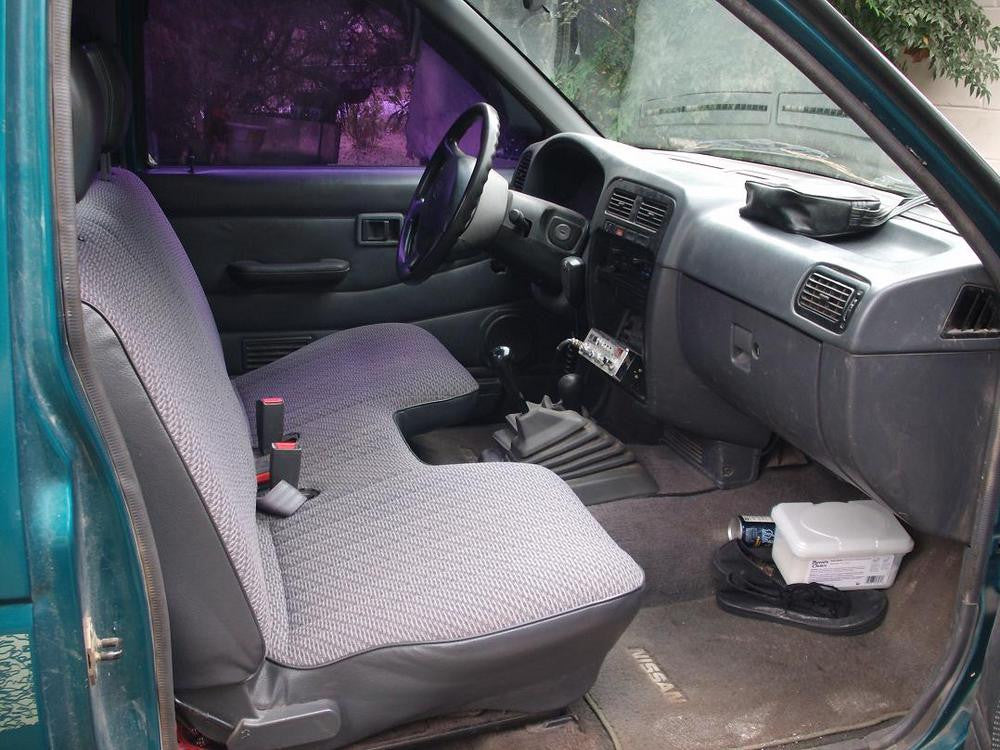
The stock seats in a Nissan Hardbody are designed for comfort and fit. They usually measure around 20 inches wide and 18 inches deep. The height is about 15 inches from the floor to the seat base. These dimensions suit the truck’s cabin size well. Knowing these helps when choosing replacement or custom seats.
Mounting Points And Compatibility
Nissan Hardbody seats attach using specific mounting points. These points follow a standard layout for easy seat swaps. The bolt pattern is often 4 bolts per seat, spaced roughly 14 inches apart. Some aftermarket seats need adapter brackets for proper fit. Matching mounting points ensures seats stay secure and safe while driving.
Credit: www.camotruckseats.com
Popular Seat Upgrades
Upgrading the seats in a Nissan Hardbody can improve comfort and style. Many truck owners want better support for long drives. Others seek a fresh look inside their truck. Popular seat upgrades offer options to suit different needs and tastes.
Choosing the right seats depends on fit, comfort, and budget. Some prefer seats made by Nissan itself. Others like aftermarket seats with extra features or unique designs. Both choices have benefits worth considering.
Oem Nissan Seats
OEM seats are made by Nissan and fit perfectly in the Hardbody. These seats keep the truck’s original look and feel. They offer reliable comfort and quality materials. Installing OEM seats is usually easy and requires no special modification. Many owners choose these seats for a factory-like experience.
Aftermarket Options
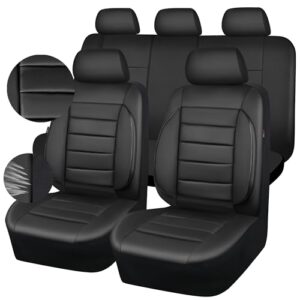
Aftermarket seats provide more variety in style and features. Some seats offer better cushioning and lumbar support. Others come with racing designs or leather covers. These seats may need adapters or slight changes to fit correctly. They suit owners who want a unique or upgraded interior. Aftermarket seats can enhance both comfort and appearance.
Fitment For Front Seats
The front seats in a Nissan Hardbody play a big role in comfort and style. Choosing the right seat can improve your driving experience. Not all seats fit the same way. It is important to understand what fits and what does not. This helps avoid problems with installation and use.
Many Nissan Hardbody owners want to upgrade their seats. Some prefer keeping the original bench seat. Others want bucket seats for a sportier look. Different seats offer different benefits. Understanding the differences helps make the best choice for your truck.
Bench Vs Bucket Seats
Bench seats span the full width of the cab. They allow three people to sit in the front. This is great for carrying more passengers. Bench seats keep the classic look of the Hardbody.
Bucket seats fit one person each. They offer more support and comfort. Bucket seats often come with better adjustability. They give a modern, sporty feel to the cabin.
Both seat types fit the Nissan Hardbody with some adjustments. Bench seats usually fit easily. Bucket seats may require brackets or rails. Check seat dimensions before buying to ensure a good fit.
Adjustable Seat Options
Adjustable seats let you change position for comfort. Options include sliding forward or backward and reclining the backrest. Some seats offer height adjustment too.
Many aftermarket seats for the Hardbody have these features. Adjustable seats improve long drives and daily use. They reduce fatigue and increase comfort.
Make sure the seat’s mounting points match the truck’s frame. Using the right brackets helps keep seats secure and stable. Adjustable seats add convenience and better driving posture.
Rear Seat Compatibility
The Nissan Hardbody offers various rear seat options depending on the cab style. Understanding rear seat compatibility helps find the right fit for comfort and safety. Different models have unique space and mounting points. Choosing the right seat affects passenger space and vehicle function.
Extended Cab Considerations
Extended cab models have limited rear space. The seats here are smaller and often foldable. This space suits occasional passengers or extra storage. Not all seats from other Nissan models fit easily. Checking dimensions and mounting points is necessary before swapping seats. Custom brackets may help install different seats. Make sure the seat doesn’t block rear visibility or safety features.
Folding And Fixed Seats
Some Nissan Hardbody rear seats fold flat for extra cargo space. Folding seats offer flexibility for carrying passengers or gear. Fixed seats provide more comfort but less cargo space. Replacement seats should match the folding mechanism if present. Installing fixed seats in a folding setup can cause issues. Always verify the seat frame and latch compatibility. Proper installation ensures safe use and passenger comfort.
Custom Seat Installation Tips
Installing custom seats in your Nissan Hardbody can improve comfort and style. It takes some work but is worth the effort. Pay close attention to mounting and electrical details. These tips help you fit seats safely and correctly.
Proper installation keeps the seats secure and functional. It also prevents damage and safety issues. Follow these steps for a smooth process.
Adapting Mounting Brackets
Most custom seats need special mounting brackets. The Hardbody’s factory brackets rarely match new seats. You must modify or buy adapters that fit both the seat and truck floor. Measure carefully before cutting metal or drilling holes.
Use strong materials like steel for brackets. Weak parts can break during driving. Secure bolts tightly but avoid overtightening to prevent damage. Test the seat for movement after installation.
Electrical Connections And Safety
Modern seats may have electrical parts like heaters or airbags. Check the wiring before connecting anything. Use proper connectors and avoid cutting factory wires unless necessary. A loose or wrong connection can cause shorts or airbag errors.
Disconnect the battery before starting electrical work. After installation, test all functions carefully. Make sure safety systems work as they should. If unsure, ask a professional for help.

Credit: www.reddit.com
Common Fitment Challenges
Fitting new seats in a Nissan Hardbody is not always easy. Many people face challenges that stop them from finishing the job. These problems often come from the truck’s size and safety rules. Understanding these common fitment challenges helps avoid mistakes and extra work.
Space Constraints
The Nissan Hardbody has a small cabin area. This limits the size of seats that can fit inside. Wide or tall seats may not fit well or block controls. Some seats are too deep and push passengers too close to the doors. Space for legroom can also shrink with bigger seats.
Mounting points for seats are fixed in the truck. New seats must line up with these points. Otherwise, extra drilling or adapters are needed. This can cause extra costs and more time to finish the installation.
Seatbelt Integration
Seatbelts are part of the seat or the truck frame. Changing seats can cause seatbelts to not work correctly. Some seats do not have built-in seatbelt anchors, making it hard to secure the belt.
Using the wrong seatbelt setup is unsafe and illegal. It is important to check that new seats match the seatbelt system. Sometimes extra parts or changes are needed to keep the seatbelts working right.
Tools And Materials Needed
Installing new seats in a Nissan Hardbody requires some basic tools and materials. Having the right tools makes the job easier and safer. Gather everything before starting the project. This saves time and prevents frustration.
Basic Tools
A socket wrench set is essential for removing bolts and screws. A screwdriver set with both flathead and Phillips heads helps with smaller screws. Pliers are useful for gripping and bending metal parts. A tape measure ensures proper seat fit and alignment. A flashlight helps see under the seats and in dark areas.
Specialized Equipment
A power drill speeds up drilling new mounting holes. A torque wrench ensures bolts are tightened to the correct level. Seat sliders may need special tools to install or remove. If wiring is involved, wire strippers and crimpers are necessary. A seat belt retractor tool might be required for adjusting safety components.
Maintenance And Care For Upgraded Seats
Upgrading the seats in a Nissan Hardbody can boost comfort and style. Taking care of these new seats keeps them looking good and lasting longer. Regular maintenance helps avoid damage and costly repairs. A clean and well-maintained seat adds to your driving pleasure.
Cleaning Tips
Use a soft brush or cloth to remove dirt and dust. Clean fabric seats with mild soap and water. Avoid harsh chemicals that can fade or damage fabric. Leather seats need special cleaners and conditioners. Wipe spills quickly to prevent stains. Vacuum seats regularly to keep them fresh.
Repair And Replacement
Check seats for tears, cracks, or loose stitching. Small tears can be fixed with repair kits. Replace damaged foam to keep comfort and support. For severe damage, consider professional reupholstery. Keep seat tracks and mechanisms clean and lubricated. Timely repairs prevent bigger problems later.

Credit: www.youtube.com
Frequently Asked Questions
What Types Of Seats Fit In A Nissan Hardbody?
Most standard Nissan Hardbody seats fit well, including original and aftermarket replacements designed for this model.
Can I Use Seats From Other Nissan Models?
Seats from similar Nissan trucks like the D21 may fit with minor adjustments.
Are Bucket Seats Compatible With A Nissan Hardbody?
Yes, bucket seats can fit but may require special brackets or modifications.
Do Nissan Hardbody Seats Need Special Mounting Hardware?
Original seats use standard mounts, but aftermarket seats might need custom hardware.
Can I Install Racing Seats In A Nissan Hardbody?
Racing seats can be installed but often need custom brackets and professional fitting.
How Do I Check If A Seat Fits My Nissan Hardbody?
Measure seat dimensions and compare mounting points with your truck’s seat frame for a good fit.
Conclusion
Choosing the right seats for your Nissan Hardbody matters. Many seats from similar trucks fit well and offer comfort. Stock seats work fine but upgrading adds style and support. Check measurements to avoid fit issues. Consider seat rails and mounting points too.
Swapping seats can improve driving experience and safety. Take time to find seats that match your needs. Your Hardbody will feel better with the right seats inside. Simple changes make a big difference on the road.
As an Amazon Associate, I earn from qualifying purchases