Choosing the right oil for your Nissan Altima is more important than you might think. The oil you use affects your car’s performance, fuel efficiency, and engine life.
If you want to keep your Altima running smoothly and avoid costly repairs, you need to know exactly what oil suits your vehicle best. You’ll discover the ideal oil types, how to pick the right one for your model, and tips to make your engine last longer.
Keep reading to unlock the secret to a healthier, happier Nissan Altima.
Choosing The Right Oil
Choosing the right oil for your Nissan Altima is important for its engine health. The correct oil keeps the engine clean and running smoothly. It helps avoid wear and tear and improves fuel efficiency. Understanding oil types, synthetic vs conventional, and viscosity will guide you to the best choice.
Oil Types Explained
Engine oils come in three main types: conventional, synthetic, and blends. Conventional oil is made from crude oil and suits older engines. Synthetic oil is man-made and offers better protection and performance. Blends mix both types for balanced benefits. Each type affects engine performance differently.
Synthetic Vs Conventional
Synthetic oil resists heat and breaks down slower than conventional oil. It protects the engine better in extreme temperatures and during long drives. Conventional oil is cheaper but may need more frequent changes. Synthetic oil lasts longer and keeps the engine cleaner. Choose based on driving habits and climate.
Viscosity And Its Importance
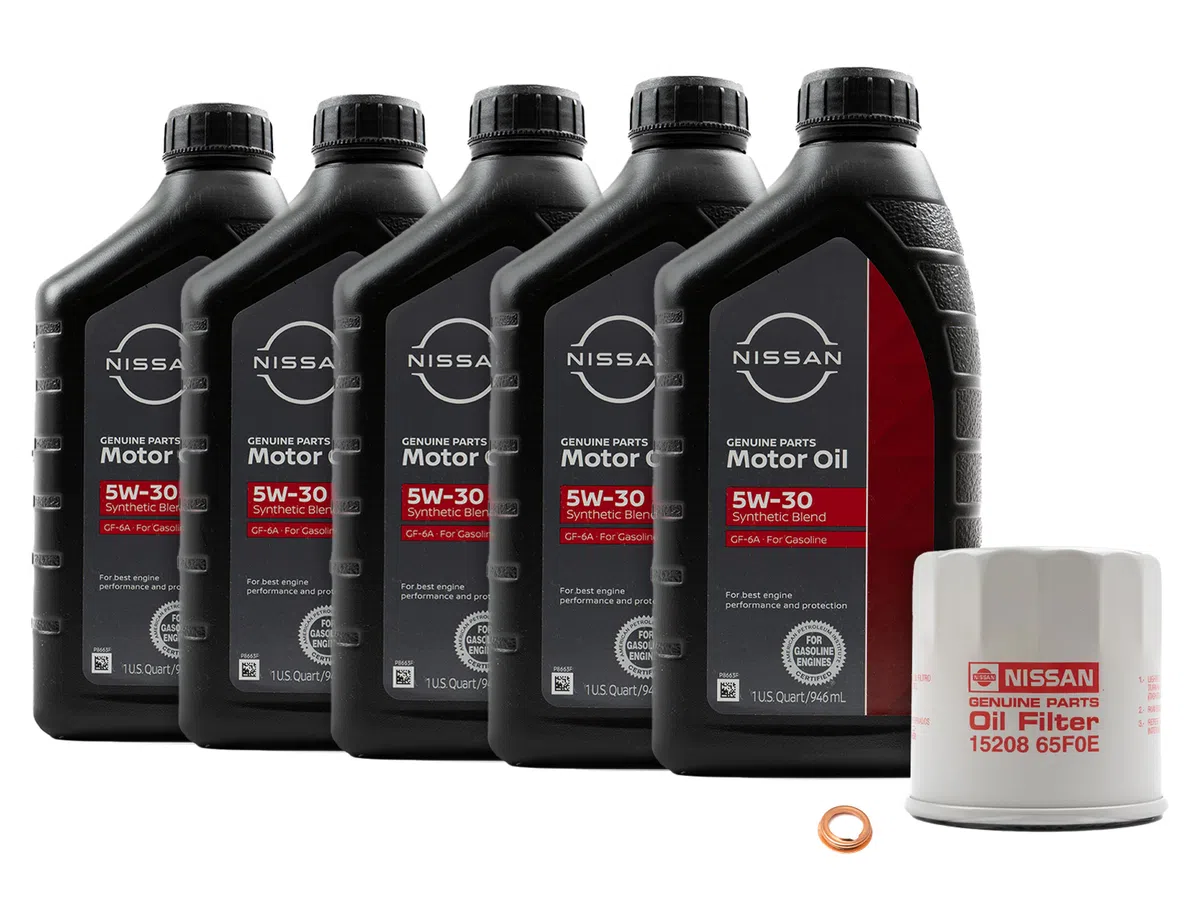
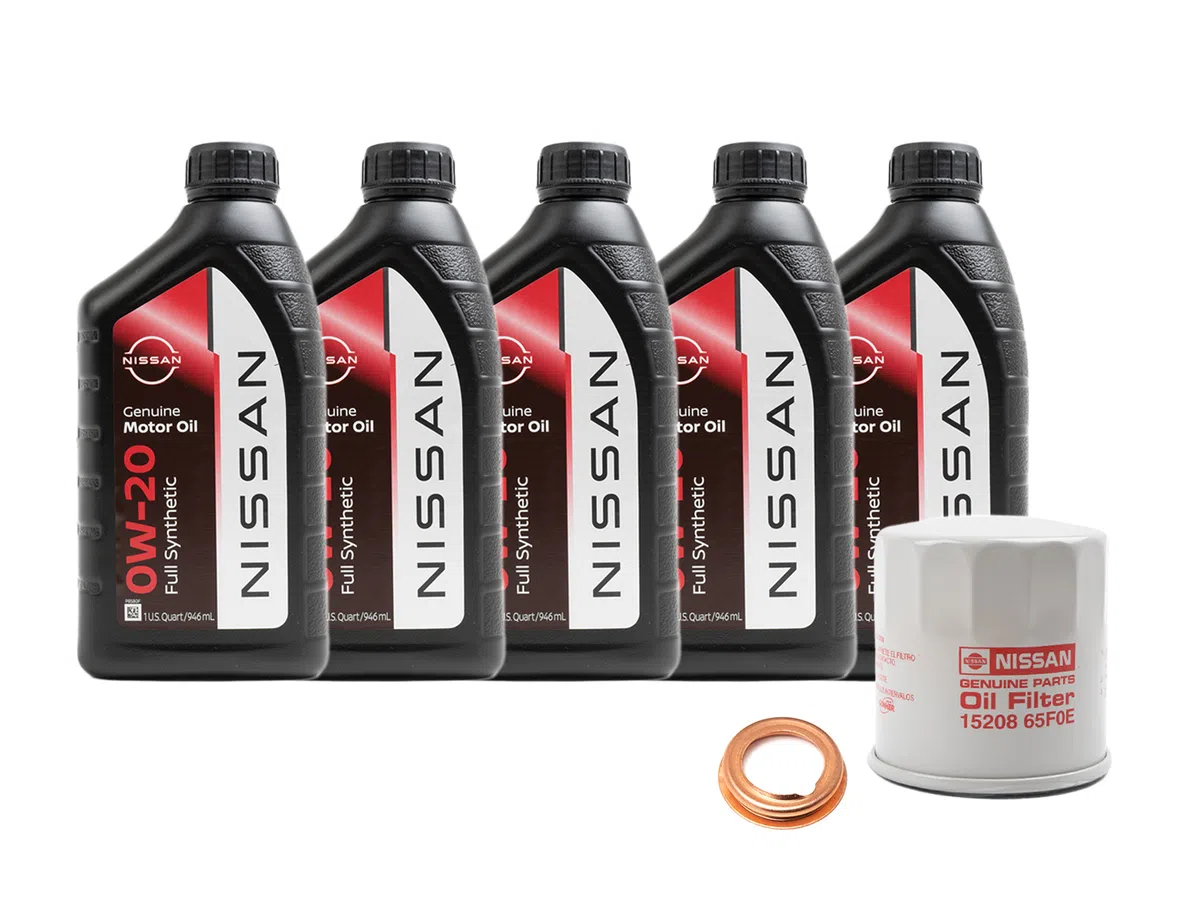
Viscosity means how thick or thin the oil is. It affects how well the oil flows in the engine. The right viscosity ensures proper lubrication and prevents engine damage. Nissan Altima usually needs oil with viscosity like 5W-30 or 0W-20. Check your owner’s manual for the exact number. Using the correct viscosity keeps your engine safe and efficient.

Credit: www.youtube.com
Recommended Oils For Nissan Altima
The right oil keeps your Nissan Altima running smooth. Choosing the correct oil helps protect the engine and improve fuel efficiency. This section covers the recommended oils for your Nissan Altima. You will find the manufacturer’s specs, best oils by engine type, and trusted oil brands.
Manufacturer’s Oil Specifications
Nissan sets clear oil standards for the Altima. It requires oils meeting API SN or newer categories. The recommended viscosity is usually 5W-30 or 0W-20. Always check your owner’s manual for exact details. Using the correct oil prevents engine wear and maintains warranty coverage.
Best Oils By Engine Type
The Altima comes with different engines, like 2.5L 4-cylinder and 3.5L V6. For the 2.5L engine, 0W-20 synthetic oil works best. It helps with cold starts and fuel economy. The 3.5L V6 needs 5W-30 synthetic oil for better protection under heat and load. Regular oil changes keep engines healthy and efficient.
Oil Brands To Consider
Choose high-quality oil brands for your Nissan Altima. Popular brands like Mobil 1, Castrol, and Valvoline offer reliable synthetic oils. These brands meet or exceed Nissan’s standards. Using trusted oils ensures your engine stays clean and runs smoothly. Always pick oils with the right viscosity and certification.
Oil Change Intervals
Knowing the right oil change intervals is key to keeping your Nissan Altima running smoothly. Oil protects the engine by reducing friction and carrying away heat. Over time, oil loses its ability to perform well. Changing oil at the right time helps avoid engine damage and keeps fuel efficiency high.
When To Change Oil
Most Nissan Altima models need an oil change every 5,000 to 7,500 miles. Check your owner’s manual for exact intervals. Some newer models with synthetic oil can go longer, up to 10,000 miles. Regular checks of oil level and condition help decide the right time.
Factors Affecting Oil Life
Driving style affects how fast oil wears out. Stop-and-go traffic or short trips make oil dirty faster. Hot weather and dusty roads also reduce oil life. Using the right oil type, like synthetic or conventional, impacts how long it lasts too.
Signs Of Oil Degradation
Dark, dirty oil means it’s time to change. An oil smell inside the car or engine noise can signal old oil. The oil warning light on your dashboard should never be ignored. Check oil regularly to catch these signs early and protect your engine.
Benefits Of Using Quality Oil
Using quality oil in your Nissan Altima is very important. Good oil keeps the engine clean and running smoothly. It helps protect engine parts from wear and heat. Poor quality oil can cause damage and reduce your car’s performance.
Choosing the right oil improves how your car works every day. It helps save money on repairs and fuel. Quality oil also helps your engine last longer.
Engine Performance
Quality oil lubricates engine parts well. It reduces friction and prevents overheating. This helps the engine run quietly and smoothly. Better lubrication means your Altima will perform at its best. It also helps the engine start easily in cold weather.
Fuel Efficiency
Using good oil lowers engine friction. Less friction means the engine uses less fuel. This improves your car’s miles per gallon. Saving fuel means fewer trips to the gas station. It also reduces pollution from your Nissan Altima.
Engine Longevity
Quality oil protects engine parts from wear and tear. It forms a strong barrier against dirt and sludge. This keeps the engine clean inside. Clean engines last longer and need fewer repairs. Using the right oil helps your Nissan Altima stay reliable for years.
Common Mistakes To Avoid
Knowing what oil to use for your Nissan Altima is important. Avoiding common mistakes helps your car run smoothly and last longer. Many drivers make errors that harm their engine or reduce performance.
Using Incorrect Oil Grade
Using the wrong oil grade can damage your engine. Nissan Altima requires a specific oil viscosity. Check your owner’s manual for the correct grade. Thicker or thinner oil may not protect engine parts well. Always use the recommended oil type to keep your engine safe.
Overlooking Oil Level Checks
Not checking the oil level often causes engine problems. Oil keeps the engine parts moving smoothly. Low oil levels lead to overheating and wear. Check your oil every few weeks or before long trips. Use the dipstick to measure and add oil if needed.
Ignoring Oil Change Schedule
Skipping oil changes can shorten your engine’s life. Old oil loses its ability to protect the engine. Follow the schedule in your Nissan Altima manual. Changing oil on time keeps the engine clean and running well. Set reminders to avoid forgetting oil changes.
Credit: www.z1motorsports.com
Diy Oil Change Tips
Changing the oil in your Nissan Altima by yourself saves money and helps you learn about your car. It is not hard with the right tools and steps. Follow simple tips to do it safely and well.
Tools Needed
- Wrench or socket set for the drain plug
- Oil filter wrench
- New oil filter
- Correct type and amount of oil for Nissan Altima
- Oil drain pan
- Funnel
- Rags or paper towels
- Gloves to keep hands clean
- Jack and jack stands or ramps for safety
Step-by-step Process
- Warm up the engine for a few minutes, then turn it off.
- Lift the car safely using a jack and stands or ramps.
- Place the drain pan under the oil drain plug.
- Use the wrench to remove the drain plug carefully.
- Let the old oil drain completely into the pan.
- Remove the old oil filter using the oil filter wrench.
- Apply a bit of new oil on the rubber seal of the new filter.
- Install the new oil filter by hand until snug.
- Replace and tighten the drain plug securely.
- Pour the new oil into the engine using a funnel.
- Check the oil level with the dipstick and add more if needed.
- Start the engine and look for leaks under the car.
- Turn off the engine and recheck the oil level once more.
Disposing Of Used Oil Properly
Used oil can harm the environment. Store it in a clean, sealed container. Take it to a local recycling center or auto shop. Never pour oil on the ground or in drains. Proper disposal keeps nature safe.
Credit: www.z1motorsports.com
Frequently Asked Questions
What Is The Best Oil Type For Nissan Altima?
Use 0W-20 synthetic oil for most Nissan Altima models for smooth engine performance.
How Often Should I Change Oil In Nissan Altima?
Change oil every 5,000 to 7,500 miles or as per Nissan’s manual recommendation.
Can I Use Conventional Oil In Nissan Altima?
Yes, but synthetic oil is better for engine protection and longer intervals.
Does Nissan Altima Require Synthetic Oil?
Synthetic oil is recommended for better engine cleanliness and improved fuel efficiency.
What Happens If I Use Wrong Oil In Nissan Altima?
Wrong oil can reduce engine life, cause poor fuel economy, and increase wear.
How Do I Check The Oil Level In Nissan Altima?
Use the dipstick under the hood; check oil when engine is cold and parked.
Conclusion
Choosing the right oil keeps your Nissan Altima running smooth. Use the recommended oil type and change it regularly. Clean oil protects the engine from wear and tear. It helps improve fuel efficiency and engine life. Check your owner’s manual for exact oil specs.
Regular oil care saves money on repairs later. Keep your Altima healthy with proper oil care. Simple steps lead to long-lasting performance. Your car will thank you with better drives.
As an Amazon Associate, I earn from qualifying purchases