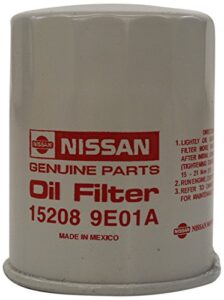
Are you curious about how far your Nissan Rogue can take you on a single tank of gas? Knowing the gas mileage of your vehicle helps you plan trips, save money, and reduce stops at the pump.
Whether you’re commuting to work or heading out for a weekend adventure, understanding your Rogue’s fuel efficiency is key to making smart driving decisions. You’ll discover everything you need to know about the gas mileage of a Nissan Rogue, so you can get the most out of every mile.
Keep reading to find out how this popular SUV performs and what factors might affect your fuel economy.

Credit: www.woodhouseplacenissan.com
Nissan Rogue Fuel Economy Basics
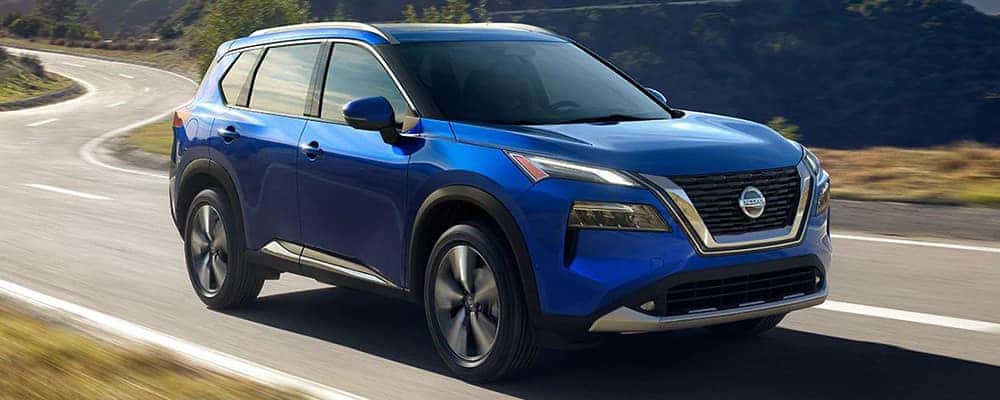
The Nissan Rogue is known for its balance between power and fuel efficiency. Understanding its fuel economy basics helps drivers save money on gas. It also reduces trips to the pump. The Rogue offers several features that affect how much fuel it uses.
Knowing these features helps in choosing the right model for your needs. It also prepares you for what to expect in daily driving. Let’s explore the main factors that influence the Rogue’s fuel economy.
Engine Options And Impact
The Nissan Rogue comes with different engine choices. Each engine uses fuel differently. A smaller engine often uses less gas but may have less power. A larger engine might use more fuel but offers stronger performance. The standard engine balances fuel use and power well. Some newer models include hybrid engines. These hybrids save more gas by using electric power at times. Engine size and type directly affect miles per gallon (MPG).
Transmission Types
The type of transmission changes how fuel is used. The Rogue usually features a continuously variable transmission (CVT). CVTs help keep the engine at the best speed for fuel efficiency. This means smoother acceleration and less wasted fuel. Older models might have traditional automatic transmissions. These can use slightly more fuel than CVTs. Transmission choice influences how much fuel the vehicle consumes during city and highway driving.
Drive Configurations
The Nissan Rogue offers front-wheel drive (FWD) and all-wheel drive (AWD). FWD vehicles often get better fuel economy because they weigh less. AWD adds extra weight and power to the wheels. This can lower fuel efficiency slightly. AWD is useful for driving in rough weather or off-road. Choosing between FWD and AWD affects fuel use depending on your driving habits and conditions.
Fuel Efficiency By Model Year
Fuel efficiency varies across Nissan Rogue model years. Each generation offers different gas mileage based on engine upgrades and technology. Understanding these differences helps drivers choose the best option for saving fuel and money. Below is a breakdown of fuel efficiency by model year.
Recent Models
Recent Nissan Rogue models show improved fuel economy. The 2021 and newer models use a 2.5-liter four-cylinder engine. They achieve around 27 miles per gallon (mpg) in the city and 35 mpg on the highway. Hybrid versions provide even better mileage, reaching up to 40 mpg combined. These models benefit from advanced fuel-saving technologies.
Older Generations
Older Nissan Rogue models have lower fuel efficiency. The 2010 to 2015 models average about 22 mpg city and 30 mpg highway. Earlier models used less efficient engines and fewer technologies to save fuel. While still decent, these older vehicles consume more gas than newer ones. Drivers often notice a difference in fuel costs over time.
City Vs Highway Mileage
The gas mileage on a Nissan Rogue changes between city and highway driving. City driving often uses more fuel because of stops and slow speeds. Highway driving usually offers better mileage due to steady speeds. Understanding these differences helps you know what to expect in real life.
City Driving Factors
City driving means frequent stops and starts. Traffic lights and stop signs slow you down. Idling at red lights wastes fuel. Lower speeds and constant braking reduce efficiency. The Nissan Rogue uses more gas in these conditions. Short trips also prevent the engine from warming up fully. This lowers fuel economy further.
Highway Driving Factors
Highway driving keeps the car moving at a steady speed. This steady pace helps the engine run efficiently. The Nissan Rogue gets better mileage on highways. Less braking and fewer stops save fuel. The car’s aerodynamics also help at higher speeds. Cruise control use can improve gas mileage too.
Hybrid Vs Gasoline Versions
The Nissan Rogue offers two main versions: hybrid and gasoline. Each type has different fuel efficiency. Knowing the differences helps you choose the best model for your needs. Fuel costs and driving habits affect which version fits you better.
Hybrid Mileage Benefits
The hybrid Nissan Rogue uses both a gas engine and electric motor. It saves more fuel than the gasoline version. The hybrid gets around 40 miles per gallon combined. This means fewer stops at the gas station. City driving benefits the most from the hybrid system. It recovers energy when braking, boosting efficiency. The hybrid also produces less pollution than the gasoline model.
Cost Considerations
The hybrid version costs more upfront than the gasoline Rogue. Maintenance costs can be similar for both types. Fuel savings with the hybrid add up over time. Long trips may show less difference in mileage. Gasoline models still offer good fuel efficiency, about 27 miles per gallon combined. Choosing depends on how much you drive and fuel prices in your area. Consider your budget and driving patterns carefully.
Factors Influencing Gas Mileage
The gas mileage of a Nissan Rogue depends on many factors. These factors change how much fuel the vehicle uses. Understanding them helps drivers get better miles per gallon. Small changes in driving and care can improve fuel efficiency.
Knowing what affects gas mileage helps you save money on fuel. It also reduces wear on the car. Some factors are easy to control, while others depend on the car’s design.
Driving Habits
Driving style greatly impacts fuel use. Smooth and steady driving helps save gas. Avoiding quick starts and hard stops improves mileage. Keeping a moderate speed on highways uses less fuel. Idling for long times wastes fuel without moving. Using cruise control on highways can keep speed steady and save gas.
Maintenance Tips
Regular car maintenance keeps the Nissan Rogue running efficiently. Clean air filters help the engine breathe better. Proper tire pressure reduces rolling resistance and saves fuel. Changing engine oil on time keeps parts working well. Faulty spark plugs can lower fuel efficiency. Checking and fixing small issues prevents bigger fuel waste.
Load And Cargo Effects
Extra weight in the car makes the engine work harder. Carrying heavy loads lowers gas mileage. Removing unnecessary items reduces weight and saves fuel. Using roof racks or carriers increases air resistance. More wind resistance means the engine uses more gas. Keep the car light and remove cargo when not needed.
Credit: www.hudsonnissan.com
Tips To Maximize Nissan Rogue Efficiency
Improving your Nissan Rogue’s gas mileage saves money and helps the environment. Small changes in driving and maintenance make a big difference. Follow these simple tips to get the best fuel efficiency from your Rogue.
Good habits keep your engine running smoothly and reduce fuel waste. These easy steps fit into everyday driving and maintenance routines.
Smooth Acceleration
Press the gas pedal gently and avoid quick starts. Smooth acceleration uses less fuel. Sudden speed changes make the engine work harder and burn more gas. Keep your speed steady for better mileage.
Proper Tire Pressure
Check your tire pressure regularly. Tires with low pressure increase fuel consumption. Use a tire gauge to keep pressure at the level recommended in your owner’s manual. Properly inflated tires improve handling and save gas.
Reducing Idle Time
Turn off the engine if you stop for more than a minute. Idling wastes fuel without moving your car. Avoid running the engine while waiting. Less idle time means better gas mileage and less pollution.
Comparing Rogue To Competitors
The Nissan Rogue stands out as a popular choice in the compact SUV market. Comparing its gas mileage with other SUVs helps buyers see how efficient it really is. This section breaks down the Rogue’s fuel economy against its main competitors.
Fuel Economy Rankings
The Nissan Rogue offers good fuel economy in its class. It typically achieves around 27 miles per gallon in the city. On highways, it reaches about 35 miles per gallon. Competitors like the Honda CR-V and Toyota RAV4 have similar numbers. Some models may have slightly better highway mileage. Others do better in city driving. The Rogue balances both, making it a reliable option for daily use.
Value For Efficiency
The Rogue provides strong value with its fuel efficiency. It uses fuel-saving technology without raising the price too much. This makes it affordable for many buyers. Some rivals offer hybrid versions with better mileage. Still, the Rogue’s standard engine performs well for most drivers. It keeps fuel costs lower over time. This helps save money on long trips and daily commutes.
Credit: www.andymohr-nissan.com
Frequently Asked Questions
What Is The Average Gas Mileage Of A Nissan Rogue?
The Nissan Rogue averages about 27 miles per gallon in the city and 35 on the highway.
How Does Nissan Rogue’s Mileage Compare To Other Suvs?
Nissan Rogue offers better gas mileage than many midsize SUVs in its class.
Does The Nissan Rogue Have Different Mileage For Awd And Fwd?
Yes, AWD models usually get slightly lower miles per gallon than FWD versions.
What Factors Affect The Gas Mileage Of A Nissan Rogue?
Driving habits, road conditions, and vehicle maintenance impact the Rogue’s fuel efficiency.
How Can I Improve The Gas Mileage Of My Nissan Rogue?
Regular maintenance, gentle acceleration, and proper tire pressure help improve fuel economy.
Is The Nissan Rogue Fuel-efficient For City Or Highway Driving?
The Rogue performs well on highways but also delivers decent mileage in city traffic.
Conclusion
The Nissan Rogue offers good gas mileage for daily drives. It helps save fuel and lowers costs. City and highway numbers vary but stay efficient. This SUV suits families and commuters alike. Choosing the right model affects fuel economy. Keep driving habits smooth to get the best mileage.
Overall, the Rogue balances comfort with fuel savings. A smart choice for those watching their fuel budget.
As an Amazon Associate, I earn from qualifying purchases