Have you ever noticed warning lights flashing on your Nissan Altima’s dashboard and wondered what they mean? Those little symbols are more than just lights—they’re your car’s way of talking to you.
Understanding what each warning light signals can save you from unexpected breakdowns and costly repairs. You’ll learn exactly what those warning lights mean and what actions you should take when they appear. Keep reading to stay safe and keep your Altima running smoothly.
Credit: www.valleynissan.com
Common Warning Lights
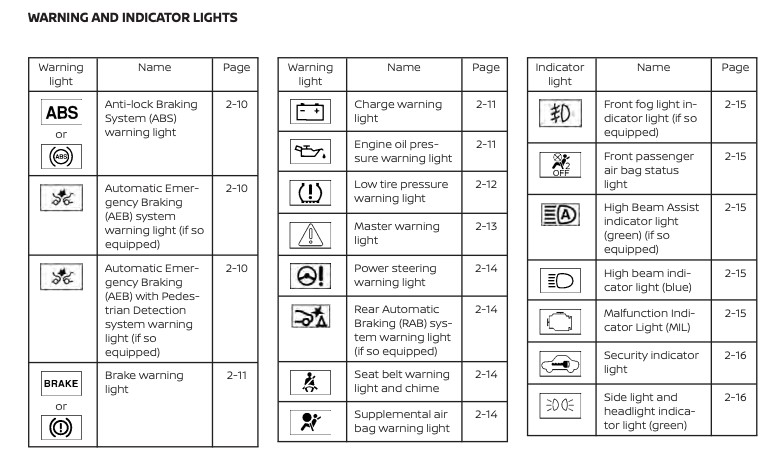
The Nissan Altima dashboard shows many warning lights. These lights tell you about your car’s health. Understanding common warning lights helps keep your car safe. Acting fast can prevent costly repairs.
Below are some common warning lights you may see. Each light has a special meaning and needs attention.
Engine Check Light
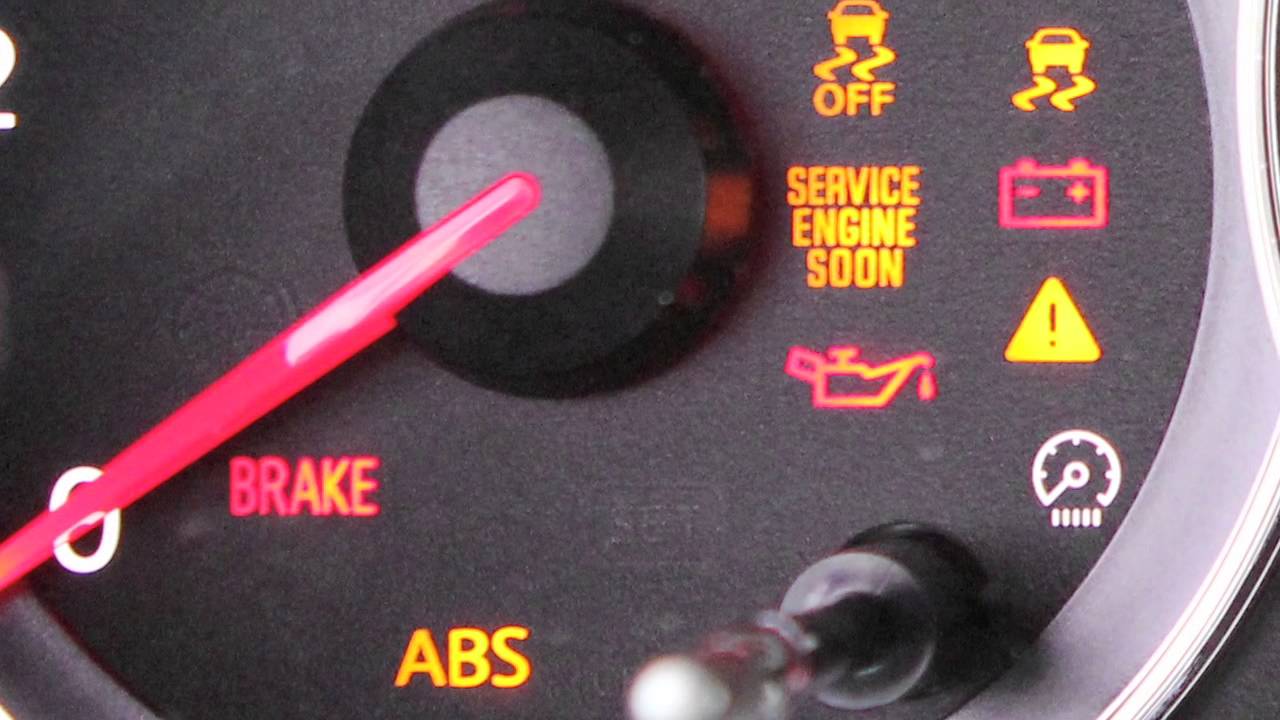
The engine check light is one of the most common alerts. It looks like an engine outline. It means the car’s computer found a problem. Problems can be small or serious. You should get your car checked soon.
Battery Alert
The battery alert light looks like a battery. It warns about charging system issues. The battery may not charge properly. This can cause the car to stop working. Check the battery and alternator right away.
Oil Pressure Warning
The oil pressure warning light looks like an oil can. It means oil pressure is low. Low oil pressure can damage the engine fast. Stop driving and check the oil level. Add oil or get help immediately.
Brake System Indicator
The brake system indicator is usually red or yellow. It shows a problem with the brake system. This could be low brake fluid or worn brake pads. Driving with brake issues is risky. Check the brakes to stay safe.
Credit: www.youtube.com
Safety And Maintenance Alerts
Nissan Altima uses warning lights to keep you safe and maintain your car’s health. These lights tell you about important safety features and needed maintenance. They help avoid problems before they get worse. Knowing these alerts keeps your drive smooth and secure.
Tire Pressure Monitoring
The tire pressure monitoring light shows low air in tires. Proper tire pressure improves fuel efficiency and handling. Low pressure can cause tire damage or accidents. Check tire pressure as soon as this light appears. Keep tires inflated to the recommended level for safety.
Airbag Warning Light
The airbag warning light means a problem with the airbag system. Airbags may not work in a crash if this light stays on. This is a serious safety concern. Have a professional check your airbag system quickly. Driving with this light on puts you at risk.
Seatbelt Reminder
The seatbelt reminder alerts when seatbelts are not fastened. Seatbelts save lives in crashes. This light stays on until all passengers buckle up. Always wear your seatbelt before driving. It’s a simple step to protect yourself and others.
Coolant Temperature Warning
The coolant temperature warning light shows the engine is too hot. Overheating can cause engine damage or failure. Stop the car safely and turn off the engine if this light comes on. Check coolant levels or call for help. Regular coolant checks keep your engine cool and healthy.
Performance And System Alerts
Your Nissan Altima has warning lights that show important alerts. These lights help you know if the car’s systems work well. Some lights focus on performance and system health. They warn you about issues that need quick attention. Pay close attention to these alerts. They keep your car safe and running smoothly.
Transmission Temperature
This light shows if your transmission is too hot. The transmission moves power from the engine to the wheels. Heat can cause serious damage to it. If this light turns on, stop driving soon. Let the car cool down before you continue. Ignoring this can lead to costly repairs.
Traction Control System
The traction control light means the system is active or has a problem. This system helps keep your car from slipping on wet or icy roads. If the light blinks, the system is working to keep control. If it stays on, there might be a fault. Check your car or visit a mechanic for help.
Abs Warning Light
The ABS light relates to your car’s anti-lock brake system. This system stops your wheels from locking during hard braking. If the ABS light stays on, the system may not work. Your brakes will still work but without ABS safety. It is best to have this checked soon for safe driving.
Steps To Take When Lights Appear
Warning lights on your Nissan Altima’s dashboard signal important information. They tell you about your car’s health and safety. Knowing the right steps to take when these lights appear can protect you and your vehicle. Act quickly and wisely to avoid bigger problems.
Immediate Actions
Stay calm and check which light is on. Some lights need quick action. For example, the oil pressure or engine temperature light means stop driving. Pull over safely and turn off the engine. Check your oil level and coolant if you can. Other lights like the tire pressure warning mean check the tires soon. Do not ignore any warning light.
When To Visit A Mechanic
Visit a mechanic if the warning light stays on after you restart the car. Strange noises or smells are signs to get help fast. Lights like the check engine light need a professional diagnosis. Schedule service as soon as possible to prevent damage. Use trusted repair shops familiar with Nissan Altima models.
Preventive Measures
Regular maintenance reduces the chance of warning lights. Check your oil, brakes, and tires often. Follow the Nissan Altima’s service schedule found in the owner’s manual. Keep fluids topped up and replace worn parts on time. Good habits keep your car safe and avoid surprise repairs.
Customizing Your Alert Settings
Customizing your alert settings on a Nissan Altima helps you stay informed about your car’s condition. It lets you control which warnings appear and how you receive them. This makes driving safer and less stressful. You can adjust alerts for things like tire pressure, engine warnings, and maintenance reminders.
Knowing how to change these settings makes your driving experience smoother. You avoid unnecessary distractions while still getting important updates. The car’s system is designed for easy use. Let’s explore how to adjust these settings using the dashboard controls and understand how alert priorities work.
Using The Dashboard Controls
The Nissan Altima’s dashboard has buttons and menus to customize alerts. Use the steering wheel buttons to navigate the settings menu. Press the “Menu” button to enter the alert settings section. Scroll through options with the arrow keys. Select alerts you want to turn on or off by pressing “OK.”
Some alerts let you adjust the sound or display style. This helps you pick alerts that suit your preferences. Changes save automatically once confirmed. You can also reset settings to default anytime.
Understanding Alert Priorities
Not all warning lights are equally important. The Nissan Altima uses alert priorities to show the most critical issues first. Red lights mean urgent problems requiring immediate attention. Yellow or orange lights warn about less urgent issues.
This system helps you focus on serious problems first. It reduces distraction from minor alerts. Knowing which alerts matter most keeps you safe on the road. It also helps you plan car maintenance wisely.

Credit: www.reddit.com
Frequently Asked Questions
What Do Nissan Altima Warning Lights Mean?
Warning lights show if a problem exists in the car. Each light signals a specific issue.
Why Is The Check Engine Light On My Altima?
The check engine light means the engine or emissions system needs attention.
What Does The Battery Warning Light Indicate?
The battery light shows a problem with charging or the battery itself.
When Does The Oil Pressure Light Appear?
The oil pressure light means the engine oil is low or not circulating well.
What Should I Do If The Brake Warning Light Stays On?
The brake light warns about low brake fluid or a brake system issue.
How To Reset Warning Lights On A Nissan Altima?
Resetting lights usually needs fixing the problem first, then disconnecting the battery briefly.
Conclusion
Knowing the warning lights on your Nissan Altima helps you stay safe on the road. These lights tell you when something needs attention or repair. Don’t ignore any light that stays on. Check your car manual to understand each symbol.
Regular maintenance can prevent serious problems. Stay alert and act quickly if a warning light appears. This keeps your Altima running smoothly and avoids costly repairs. Your safety depends on knowing these signals well. Drive smart, stay informed, and keep your car in good shape.
As an Amazon Associate, I earn from qualifying purchases