Are you trying to decide between Nissan and Honda for your next car? Both brands have loyal fans and offer great options, but which one truly stands out for you?
This question matters because your choice affects your driving experience, budget, and long-term satisfaction. You’ll discover key differences that can help you make a confident decision. Keep reading to find out if Nissan is better than Honda for your needs—and what you should consider before making a final call.

Credit: www.downersgrovenissan.com
Performance And Engine Options
Performance and engine options are key factors in choosing between Nissan and Honda. Both brands offer a range of engines and driving experiences. Understanding their engine types, fuel efficiency, and handling helps you decide which fits your needs better.
Engine Types And Power
Nissan offers engines from small 4-cylinders to powerful V6s. Some models have turbocharged engines for extra power. Honda also uses 4-cylinders and V6 engines, known for smooth performance. Their turbo engines deliver strong acceleration. Both brands provide hybrid options for eco-friendly driving.
Fuel Efficiency
Honda generally leads in fuel efficiency across many models. Their engines are designed to use less fuel without losing power. Nissan’s fuel economy is competitive, especially in their smaller cars and hybrids. Both brands focus on reducing emissions and saving fuel costs.
Handling And Ride Quality
Nissan cars often offer a comfortable and smooth ride. Their suspension absorbs bumps well for city and highway driving. Honda focuses on agile handling and responsive steering. This makes their cars feel sportier and easier to control. Both brands provide a good balance of comfort and control.
Design And Styling
Design and styling play a big role in choosing a car. Both Nissan and Honda focus on making cars that catch the eye and feel good inside. Each brand has a unique style that appeals to different tastes. Let’s explore how these two compare in design and styling.
Exterior Looks
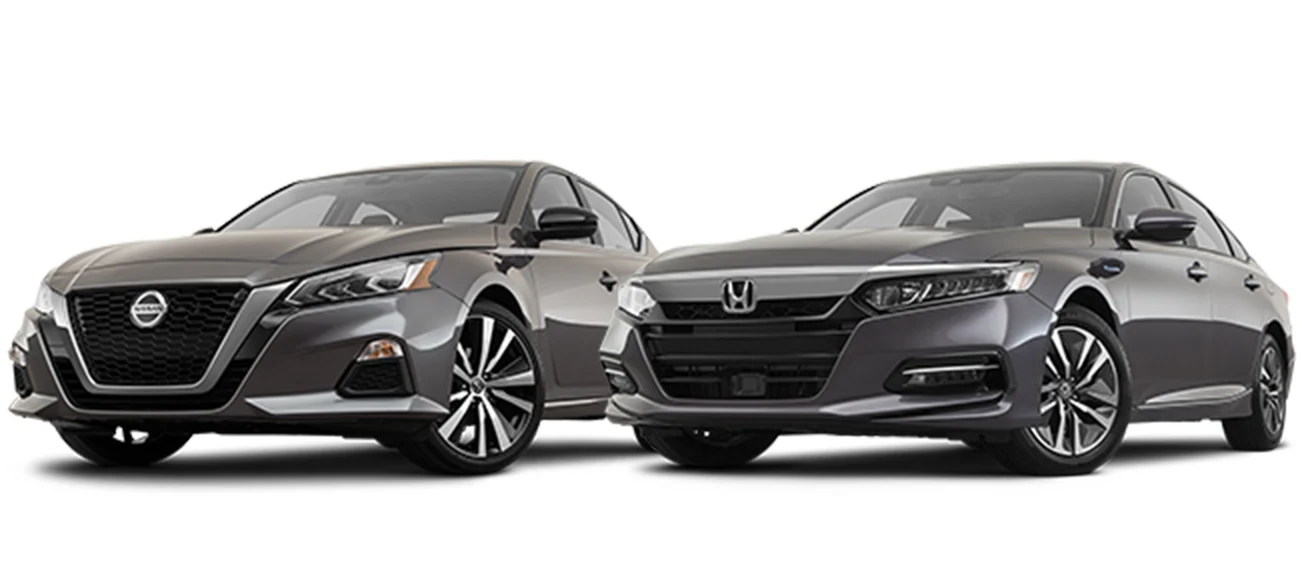
Nissan often uses bold shapes and sharp lines. Its cars look modern and sporty. The front grille is usually large and stands out. Many Nissan models have a sleek, aggressive stance. This gives a strong road presence.
Honda prefers a clean and simple look. Its design is smooth and balanced. The body lines flow gently, creating a calm, refined feel. Honda cars often appear more classic and timeless. They suit buyers who want elegance without flashiness.
Interior Comfort And Features
Nissan interiors focus on technology and style. Controls are easy to reach and use. Many models have comfortable seats with good support. Materials feel solid but can vary by model. Some Nissan cars offer advanced infotainment systems and extra features.
Honda’s interiors prioritize space and comfort. Seats are roomy and designed for long drives. The dashboard is simple and user-friendly. Honda uses quality materials that last long. The cabins often feel quiet and relaxing, perfect for families.
Technology And Infotainment
Technology and infotainment play a big role in choosing a car today. Both Nissan and Honda offer strong features. These features help drivers stay connected and safe. They also make driving more fun and less stressful. Below, we explore key technology aspects of both brands.
Connectivity Options
Nissan provides easy smartphone integration with Apple CarPlay and Android Auto. Their touchscreens are clear and simple to use. Bluetooth and USB ports come standard in most models. Some Nissan cars offer wireless charging for phones.
Honda matches this with similar smartphone compatibility. They also include a Wi-Fi hotspot in certain trims. USB and Bluetooth are also widely available. Honda’s infotainment systems respond quickly and have clear graphics.
Driver Assistance Features
Nissan includes a suite of driver aids called Nissan Safety Shield 360. This package offers automatic emergency braking, blind spot warning, and rear cross traffic alert. These features are standard on many Nissan models.
Honda’s equivalent is Honda Sensing. It covers adaptive cruise control, lane keeping assist, and collision mitigation braking. Honda makes these safety features standard in most of their vehicles.
Credit: www.carmax.com
Safety Ratings And Features
Safety is a top priority for car buyers. Both Nissan and Honda offer strong safety ratings and features. These details help drivers choose the best car for their needs. Understanding crash test results and active safety systems can guide your decision.
Crash Test Results
Nissan and Honda both score well in crash tests. The National Highway Traffic Safety Administration (NHTSA) and Insurance Institute for Highway Safety (IIHS) test their vehicles. Many Nissan models earn five-star ratings. Honda vehicles also achieve top marks in most categories. Crash tests check front, side, and rollover safety. Both brands design cars to protect passengers in crashes.
Active Safety Systems
Nissan and Honda include many active safety features in their cars. These systems help prevent accidents. Features like automatic emergency braking, lane departure warning, and blind spot detection are common. Honda’s Honda Sensing and Nissan’s Safety Shield 360 are notable packages. They use cameras and sensors to monitor the road. These technologies alert drivers to dangers and may apply brakes automatically. Both brands focus on making driving safer with smart technology.
Reliability And Maintenance
Reliability and maintenance are key factors when choosing between Nissan and Honda. Both brands have strong reputations for building dependable cars. Knowing how they compare in warranty and repair costs can help you make a better choice.
Reliable cars save money and reduce stress over time. Maintenance ease also affects overall ownership experience. Let’s explore warranty coverage and repair costs for both Nissan and Honda.
Warranty Coverage
Nissan and Honda offer similar warranty packages. Both provide a basic warranty lasting three years or 36,000 miles. Powertrain warranties cover major engine and transmission parts for five years or 60,000 miles.
Nissan includes roadside assistance during the warranty period. Honda offers a corrosion warranty for up to five years. These warranties help protect buyers from unexpected repair costs early on.
Repair Costs And Frequency
Repair costs for Nissan and Honda are generally moderate. Nissan parts may cost slightly less, but Honda repairs tend to require fewer visits. Both brands score well in reliability ratings.
Routine maintenance like oil changes and brake work is affordable for both. Nissan owners report some common issues with electronics. Honda owners often praise the long-lasting engines.
Overall, both brands keep repair needs low, but Honda might have a slight edge in fewer repairs over time.
Pricing And Value
Pricing and value are key factors in choosing between Nissan and Honda. Both brands offer a range of models with different prices. Understanding the base model pricing and resale value helps buyers decide which brand suits their budget and needs.
Base Model Pricing
Nissan generally offers slightly lower starting prices than Honda. This makes Nissan appealing for budget-conscious buyers. For example, the Nissan Sentra base model often costs less than the Honda Civic base model. Nissan’s pricing strategy aims to attract first-time car buyers and those looking for affordable options.
Honda, on the other hand, prices its base models a bit higher. This reflects Honda’s focus on adding extra features and quality even in entry-level cars. Buyers get more technology and safety features as standard with Honda’s base models. This can add value despite the higher price.
Resale Value
Honda vehicles tend to hold their value better over time. This means they have higher resale prices compared to Nissan cars. Strong resale value shows confidence in Honda’s reliability and durability. It can save money in the long run for owners planning to sell or trade-in their car.
Nissan’s resale value is generally lower but improving. Newer Nissan models are gaining better reviews for quality. Buyers may find good deals on used Nissan cars due to this trend. Resale value varies by model, so research is important before buying.
Model Lineup Comparison
Comparing Nissan and Honda means looking at their model lineups closely. Both brands offer a variety of cars that fit different needs. Their choices range from small sedans to large SUVs. Each brand also has electric and hybrid vehicles. This section breaks down their main categories to see how they match up.
Sedans And Hatchbacks
Nissan and Honda both have popular sedans and hatchbacks. Nissan’s Sentra and Versa focus on affordability and fuel efficiency. The Altima offers more power and comfort. Honda’s Civic and Accord are famous for reliability and sporty design. The Civic hatchback adds versatility with extra cargo space. Both brands provide good options for daily driving and city use.
Suvs And Crossovers
Nissan’s SUV lineup includes the Rogue, Murano, and Pathfinder. These models offer different sizes and features for families or adventurers. Honda’s CR-V and Pilot are strong contenders in the SUV market. The HR-V is a smaller crossover for urban drivers. Both brands focus on safety and technology in their SUVs. Buyers can find roomy and practical vehicles from both Nissan and Honda.
Electric And Hybrid Options
Nissan is known for the Leaf, one of the first mass-market electric cars. It remains a popular choice for eco-friendly drivers. Honda offers the Insight hybrid and the Clarity plug-in hybrid. Their hybrid models focus on fuel savings and low emissions. Both brands are expanding electric and hybrid options to meet growing demand. Choosing between them depends on budget and desired technology.

Credit: www.indyautoman.com
Customer Satisfaction And Reviews
Customer satisfaction and reviews provide clear insights into the real value of Nissan and Honda vehicles. They reveal how owners feel about their cars every day. Reviews also highlight common strengths and issues. These perspectives help potential buyers decide which brand fits their needs better.
Owner Feedback
Owners of Nissan often praise the brand for its affordability and stylish design. Many enjoy the smooth ride and fuel efficiency. Some mention occasional concerns about long-term reliability. Honda owners frequently highlight the cars’ strong performance and durability. They appreciate the low maintenance costs and resale value. Both brands have loyal fans but differ in specific features and experiences.
Expert Ratings
Experts rate Honda highly for safety and engine quality. The brand scores well in reliability tests and resale value. Nissan earns points for comfort and technology features. Experts note that Nissan offers a wider variety of models. Safety ratings are solid but sometimes below Honda’s. These ratings give a balanced view of each brand’s strengths.
Frequently Asked Questions
Is Nissan More Reliable Than Honda?
Honda generally has a stronger reputation for reliability than Nissan across most models.
Which Brand Offers Better Fuel Efficiency, Nissan Or Honda?
Honda vehicles tend to have better fuel efficiency compared to Nissan in many categories.
Are Nissan Cars Cheaper To Maintain Than Honda Cars?
Nissan maintenance costs are often slightly lower, but both brands have affordable service options.
Which Brand Has Better Resale Value, Nissan Or Honda?
Honda cars usually hold their value better and have higher resale prices than Nissan.
Do Nissan Or Honda Cars Have Better Safety Ratings?
Both brands have strong safety records, but Honda often scores slightly higher in safety tests.
Which Brand Offers More Advanced Technology Features?
Honda typically includes more advanced tech features in its newer models than Nissan.
Conclusion
Both Nissan and Honda have strong points to offer. Nissan often stands out for its design and technology. Honda is known for reliability and fuel efficiency. Your choice depends on what matters most to you. Think about budget, style, and driving needs.
Test driving both can help decide. Either brand can serve well for daily use. Quality and value come from both automakers. Trust your preferences to guide the final pick.
As an Amazon Associate, I earn from qualifying purchases