Are you trying to decide between a Kia and a Nissan for your next car? It’s a common question, and the answer can make a big difference in your daily driving experience.
You want a vehicle that fits your lifestyle, offers reliability, and gives you the best value for your money. But which brand truly stands out? This article will break down the key differences, helping you find out if Kia is better than Nissan for you.
Keep reading—you might be surprised by what you discover.
Kia Vs Nissan: Brand Reputation
The brand reputation of Kia and Nissan plays a big role in choosing a car. Both brands have loyal fans and strong market presence. Understanding their history and customer feedback helps to see which one fits better. Brand reputation reflects trust, quality, and satisfaction over time.
History And Market Presence
Kia started in 1944 in South Korea. It grew fast and became known for affordable, reliable cars. Kia invested in new designs and technology. It now sells millions of cars worldwide.
Nissan began in 1933 in Japan. It has a long history of innovation and strong performance. Nissan is famous for electric cars and sporty models. Its global reach is wide, with many loyal customers.
Both brands compete in many countries. Kia focuses on value and style. Nissan highlights innovation and variety. Their market presence is strong but different.
Customer Satisfaction Ratings
Kia scores well in customer satisfaction. Buyers praise its warranty and fuel efficiency. Many feel Kia offers good quality for the price.
Nissan also has solid ratings. Customers like its driving experience and safety features. Some report higher maintenance costs compared to Kia.
Surveys show Kia improving fast. Nissan remains popular for technology and comfort. Both brands work hard to keep customers happy.
Design And Styling
Design and styling play a key role in choosing between Kia and Nissan. Both brands offer unique looks and comfort that attract many buyers. This section explores how each car stands out in design and features.
Exterior Appeal
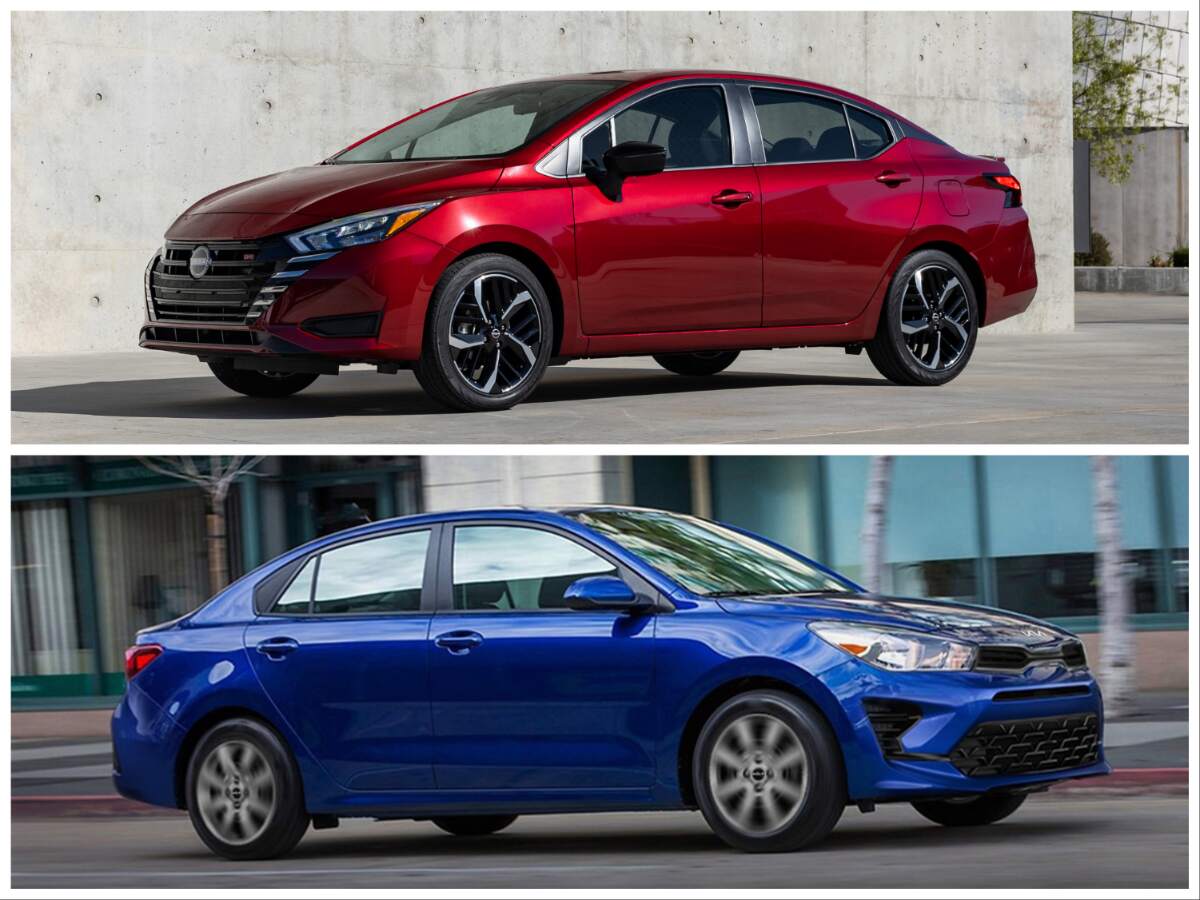
Kia models often show bold lines and sporty shapes. They use sharp angles and a modern grille to catch attention. Many find Kia’s design fresh and youthful.
Nissan cars have a sleek and smooth look. Their designs focus on elegance and simplicity. Nissan tends to favor a timeless style that feels calm and balanced.
Both brands offer good paint options and lighting designs. Kia might appeal to those who want a lively, eye-catching car. Nissan suits drivers who prefer a classic, refined look.
Interior Comfort And Features
Kia interiors are known for using quality materials and smart layouts. They provide spacious cabins with user-friendly controls. Many Kia vehicles come with modern tech like touchscreen displays and wireless charging.
Nissan’s interiors focus on comfort and easy driving. Soft seats and clear instrument panels make rides pleasant. Nissan also offers helpful features such as advanced safety systems and voice commands.
Both brands deliver cozy interiors, but Kia leans toward tech upgrades. Nissan focuses on comfort and simple operation.
Performance And Engine Options
Performance and engine options play a big role in choosing between Kia and Nissan. Both brands offer a range of engines that suit different driving styles. Whether you want power or efficiency, these two have something to offer. Let’s explore their power, acceleration, and fuel efficiency.
Power And Acceleration
Kia provides strong engines in many of its models. Their turbocharged options deliver quick acceleration. Some Kia cars reach 0 to 60 mph in just a few seconds. Nissan also offers powerful engines, especially in sportier models like the Nissan Altima and Maxima. The acceleration feels smooth and responsive. Both brands focus on providing a lively driving experience.
Fuel Efficiency
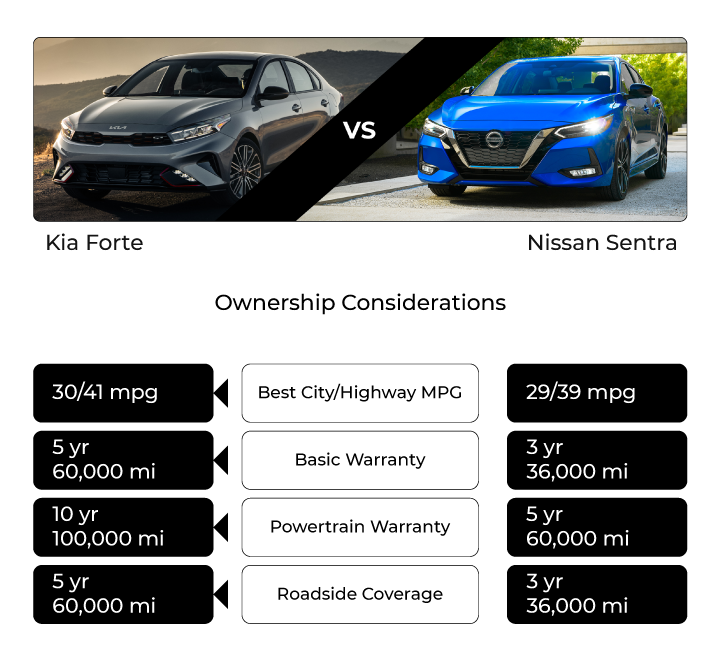
Fuel economy matters for daily driving and saving money. Kia vehicles often have good fuel efficiency. Their hybrid and smaller engines help reduce fuel use. Nissan shines with its efficient models too, especially the Nissan Versa and Leaf electric car. Nissan’s technology aims to maximize miles per gallon. Both Kia and Nissan balance power and fuel savings well.
Credit: www.earnhardtpeoriakia.com
Safety Features And Ratings
Safety is a key part of choosing a car. Both Kia and Nissan offer many features to protect drivers and passengers. Understanding their safety features and ratings helps you pick the best option for your needs.
Both brands focus on technology and crash test results to keep you safe on the road. Let’s explore how Kia and Nissan compare in these areas.
Standard Safety Technology
Kia includes many safety tools as standard. Features like automatic emergency braking and lane departure warnings come with most models. These help prevent accidents by alerting drivers or acting when needed.
Nissan also offers key safety technologies. Their ProPILOT Assist combines adaptive cruise control and lane keeping. This system helps drivers stay centered and maintain safe distances on highways.
Both brands equip their cars with airbags, stability control, and rearview cameras. These basics are crucial for everyday safety and are included in almost all new vehicles.
Crash Test Scores
Kia models often receive high marks from safety organizations. The Insurance Institute for Highway Safety (IIHS) awards many Kia cars with Top Safety Pick titles. This means they perform well in crash tests and have strong safety features.
Nissan also scores well in crash tests. Several Nissan vehicles earn good ratings from the IIHS and the National Highway Traffic Safety Administration (NHTSA). These scores show Nissan’s commitment to building safe cars.
Comparing the two, both Kia and Nissan deliver solid protection. Crash test results confirm they meet strict safety standards to protect drivers and passengers.
Technology And Infotainment
Technology and infotainment play a big role in today’s cars. They help drivers stay connected and entertained on the road. Kia and Nissan offer different features in this area. Comparing them can help decide which brand suits your needs better.
Connectivity Options
Kia provides strong connectivity options. Most models support Apple CarPlay and Android Auto. These features let you use your phone apps on the car’s screen. Kia also offers Bluetooth for hands-free calling and music streaming. Some models come with built-in Wi-Fi hotspots for internet access.
Nissan also includes Apple CarPlay and Android Auto in many cars. Bluetooth is standard for calls and audio. Nissan offers NissanConnect, a system with apps for navigation and safety. Some Nissan vehicles have Wi-Fi capability too. Both brands focus on keeping drivers connected easily.
User Interface And Controls
Kia’s infotainment system uses a touchscreen with easy menus. The screen size varies but tends to be large and clear. Physical buttons and knobs make controlling volume and climate simple. Kia’s system responds quickly to touch commands.
Nissan’s user interface is also touchscreen-based with clear graphics. Some models include a dial or joystick for menu navigation. Controls are designed to be user-friendly and safe while driving. Nissan’s system may feel more traditional compared to Kia’s modern layout.

Credit: www.youtube.com
Pricing And Value
Pricing and value are key factors when choosing between Kia and Nissan. Buyers want a good car without spending too much. Both brands offer different price points and perks. Understanding these helps find the best fit for your budget and needs.
Base Price Comparison
Kia often offers lower starting prices than Nissan. This makes Kia a popular choice for budget-conscious buyers. Nissan models can be a bit pricier but include more standard features. Both brands have a range of models to suit different budgets. Choosing depends on which base price fits your wallet best.
Warranty And Maintenance
Kia provides one of the longest warranties in the market. This gives extra peace of mind to owners. Nissan’s warranty is good but shorter than Kia’s. Kia also offers free maintenance for a set period. Nissan may charge extra for some services. Warranty and maintenance coverage add value beyond just the price tag.
Driving Experience
The driving experience shapes how you enjoy your car every day. Kia and Nissan offer different feelings behind the wheel. Each brand focuses on comfort, control, and quietness. These factors matter a lot for city drives and long trips. Understanding how each car handles and feels helps you choose the best fit.
Handling And Ride Quality
Kia cars often provide smooth and steady rides. Their suspension absorbs bumps well. This makes city roads and highways easier to drive on. Nissan vehicles tend to offer sharper handling. They respond quickly to steering inputs. This suits drivers who prefer more control and sportiness. Both brands balance comfort and agility but in unique ways.
Noise And Comfort Levels
Kia models focus on reducing road and wind noise. This creates a quieter cabin for passengers. Nissan also works on noise control but some models may let in more sound. Seats in Kia cars are usually soft and supportive. Nissan seats often feel firmer, which some drivers like for long drives. Comfort depends on personal taste and driving style.
Credit: www.motorbiscuit.com
Resale Value And Reliability
Resale value and reliability are key factors for car buyers. These aspects influence long-term cost and satisfaction. Kia and Nissan both offer solid choices, but their resale and reliability differ. Understanding these differences helps make smarter buying decisions.
Depreciation Rates
Kia cars tend to hold their value well over time. Recent models show slower depreciation compared to many competitors. Nissan vehicles usually lose value faster in the first few years. This affects how much money you get when selling your car later. Kia’s warranty and improved quality help keep its resale prices higher. Nissan’s older reputation for reliability impacts its depreciation more.
Long-term Reliability
Kia has improved reliability scores significantly in recent years. Many Kia models now rank high in reliability studies. Nissan offers a mixed reliability record depending on the model. Some Nissan cars need more repairs after several years. Kia’s strong warranty supports peace of mind for long-term ownership. Choosing Kia might reduce unexpected repair costs over time.
Frequently Asked Questions
Is Kia More Reliable Than Nissan?
Kia generally has a strong reliability rating, often matching or exceeding Nissan in many models.
Which Brand Offers Better Fuel Efficiency, Kia Or Nissan?
Both brands offer fuel-efficient cars, but Kia’s newer models tend to have slightly better mileage.
Are Kia Vehicles Cheaper To Maintain Than Nissan Cars?
Kia often has lower maintenance costs due to longer warranties and affordable parts.
Do Kia Cars Have Better Safety Features Than Nissan?
Kia usually includes more advanced safety tech as standard compared to Nissan at similar price points.
Which Has A Better Resale Value, Kia Or Nissan?
Nissan typically holds resale value slightly better, but Kia is improving rapidly in this area.
Which Brand Has A Wider Variety Of Models, Kia Or Nissan?
Nissan offers a broader range of vehicles, including trucks and sports cars, while Kia focuses more on SUVs and sedans.
Conclusion
Both Kia and Nissan offer solid choices for car buyers. Kia often provides better warranties and modern features. Nissan tends to have a wider variety of models and strong performance. Your decision depends on what matters most to you: style, price, or reliability.
Test driving both can help you feel which fits best. Either brand can serve you well for daily drives. Choose the car that feels right and meets your needs. Simple as that.
As an Amazon Associate, I earn from qualifying purchases