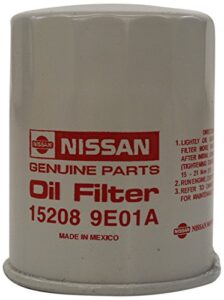
Is your Nissan Altima’s oil light on, and you’re not sure what to do next? That little warning can be confusing and even a bit stressful.
But don’t worry—resetting the oil light is easier than you might think. You’ll discover simple, step-by-step instructions to reset your oil light quickly and safely. Keep reading, and you’ll save time, avoid unnecessary trips to the mechanic, and keep your car running smoothly.
Let’s get started!
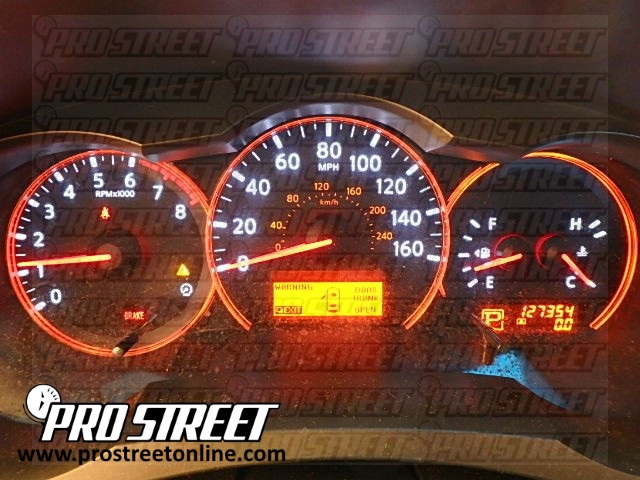
Credit: my.prostreetonline.com
Oil Light Basics
The oil light on your Nissan Altima is an important dashboard signal. It helps you know when your car needs attention related to oil. Understanding this light can save your engine from damage and keep your car running well.
Knowing why the oil light turns on and what it means helps you act quickly. This section explains the basics you need to know about the oil light.
Purpose Of The Oil Light
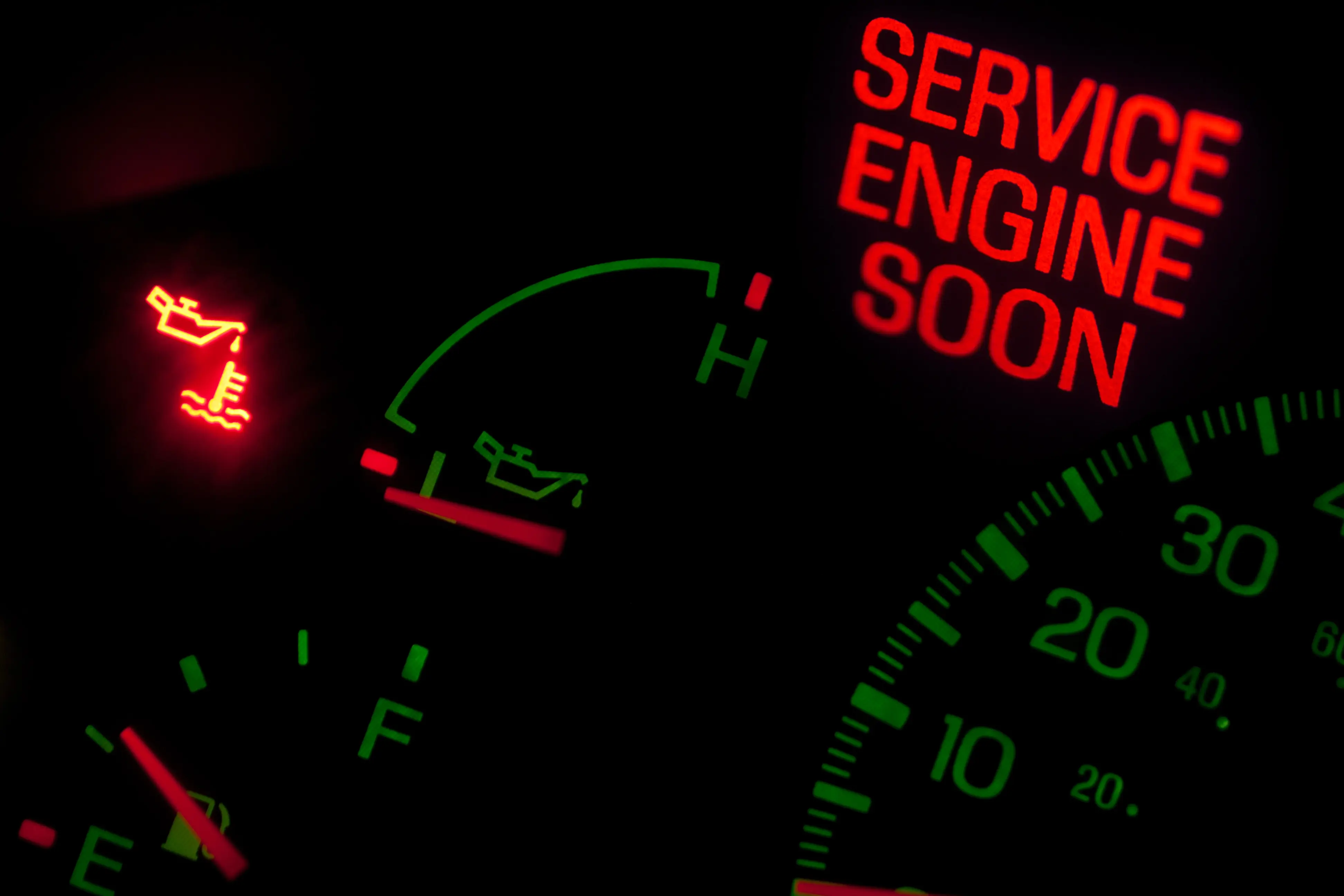
The oil light shows if your engine oil pressure is low. Oil pressure keeps engine parts moving smoothly. Without enough pressure, parts can wear out fast. The light warns you to check oil levels or system problems.
This warning helps prevent serious engine damage. It lets you fix oil issues before they get worse. The oil light is a safety signal for your engine’s health.
When The Light Comes On
The oil light can come on for several reasons. Low oil level is the most common cause. It means your engine needs more oil soon. Another reason is low oil pressure from a pump or filter problem.
The light may also blink during cold starts or rough roads. Do not ignore the light if it stays on. Stop the car safely and check oil level. Fix any oil issues before driving again.
Credit: jerry.ai
Preparing To Reset
Preparing to reset the oil light on your Nissan Altima is important. You must ensure the oil level is correct before resetting the light. This helps the car run smoothly and avoids engine problems. Follow these simple steps to get ready for the reset.
Check Oil Level
Park your car on a flat surface and turn off the engine. Wait a few minutes to let the oil settle. Open the hood and find the dipstick. Pull it out, wipe it clean, and reinsert it fully. Pull it out again to check the oil level. The oil should be between the low and high marks. If the oil is below the low mark, you need to add more oil.
Top Up Oil If Needed
Use the oil type recommended in your owner’s manual. Remove the oil cap on top of the engine. Pour oil slowly and check the level often with the dipstick. Do not overfill the oil. After topping up, secure the oil cap tightly. Close the hood and start the engine. Check for any leaks under the car. Now your Nissan Altima is ready for the oil light reset.
Resetting The Oil Light
Resetting the oil light on your Nissan Altima is important after changing the oil. This step clears the warning and keeps your dashboard accurate. The process is simple and does not need special tools. Follow these easy methods to reset the oil light quickly.
Using The Dashboard Buttons
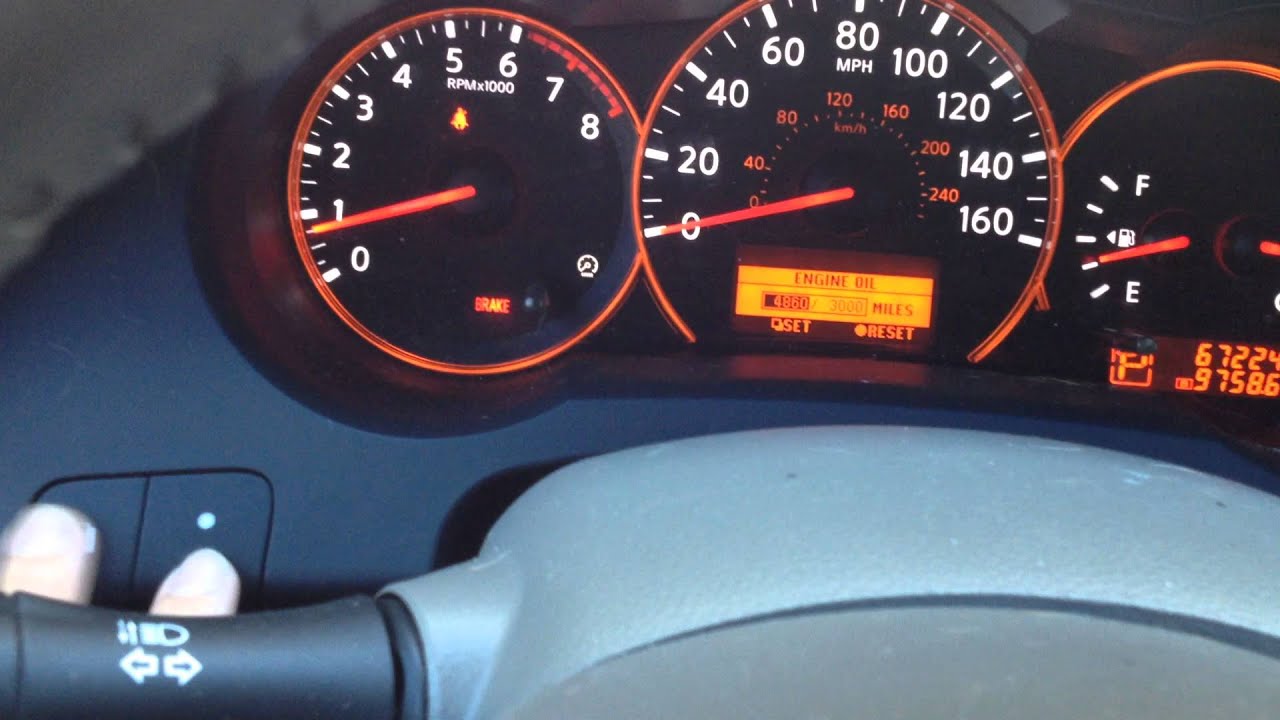
Start by turning the ignition to the ON position. Do not start the engine. Press the trip reset button on the dashboard. Hold the button for about 10 seconds. The oil light will begin to blink. Release the button once the light turns off. This confirms the reset is complete.
Using The Trip Odometer Method
Turn the ignition to the ON position without starting the engine. Use the trip meter button to display the mileage. Press and hold the trip reset button. Keep holding it until the oil light blinks and then goes off. This resets the oil change reminder. Your Altima is now ready to track the next oil change interval.
Model-specific Differences
Different Nissan Altima models may have slight changes in the reset process. Some models need the ignition on, others off. Certain years use the dash buttons, some use the steering wheel controls. Consult your owner’s manual for exact steps. Knowing your model’s method saves time and avoids errors.
After Reset Care
Resetting the oil light on your Nissan Altima is a good step after an oil change. But the work does not stop there. Taking care after the reset helps keep your car running well. It also avoids future problems with the engine or oil system. Simple habits can make a big difference.
Monitor The Light
Watch the oil light closely after reset. It should stay off during normal driving. If it comes back on, check the oil level right away. A sudden light means a possible leak or low oil. Do not ignore it. Early attention can save costly repairs.
Regular Oil Changes
Keep a schedule for oil changes. Follow Nissan’s recommended intervals in the owner’s manual. Clean oil protects the engine and keeps it cool. Old oil loses its power to lubricate. Regular changes help the oil light stay off longer.
Troubleshooting
Troubleshooting the oil light on your Nissan Altima can save time and prevent damage. The oil light signals oil issues or system errors. Sometimes, the light stays on after reset or other warning lights appear. Understanding these problems helps you act fast and keep your car safe.
Light Stays On After Reset
The oil light should turn off after a proper reset. If it stays on, check the oil level first. Low oil causes the light to stay. Next, inspect the oil sensor for damage or dirt. A faulty sensor sends wrong signals. Also, the oil change might not be done correctly. Make sure the oil filter is replaced and oil type matches your car’s needs.
Another cause could be the oil pressure. Low oil pressure triggers the light. This may mean a bad oil pump or clogged oil passage. In such cases, visit a mechanic to avoid engine damage. Resetting the light repeatedly without fixing the issue is risky.
Other Warning Lights
Sometimes, other warning lights appear with the oil light. The check engine light may come on. This indicates a broader issue beyond oil. It could be related to engine performance or emissions. Scan the car’s computer for trouble codes to find the problem.
Brake or battery lights might also show up. These lights mean separate system faults but can confuse the driver. Do not ignore any warning light. Each one needs attention to keep your Nissan Altima running smoothly.
Credit: www.youtube.com
Frequently Asked Questions
How Do I Reset The Oil Light On A Nissan Altima?
Turn the ignition on without starting the engine. Press the gas pedal three times. The light will reset.
What Does The Oil Light Mean On A Nissan Altima?
The oil light warns low oil level or oil change is needed soon. Check oil to avoid damage.
How Often Should I Reset The Oil Light?
Reset the oil light only after changing the oil. Usually every 3,000 to 5,000 miles.
Can I Reset The Oil Light Without Changing Oil?
Resetting without oil change is not safe. The light tracks oil health to protect the engine.
Will Resetting The Oil Light Fix Oil Problems?
Resetting only clears the warning. It does not fix leaks or low oil levels. Check oil first.
What If The Oil Light Stays On After Reset?
If the light stays on, check oil level and quality. Visit a mechanic if problem continues.
Conclusion
Resetting the oil light on a Nissan Altima is simple and quick. Follow the steps carefully to avoid confusion. This helps keep your car running smoothly and safely. Regularly checking and resetting the oil light saves you money and stress.
Take a moment to do this after every oil change. Your Nissan Altima will thank you with better performance. Stay on top of your car’s needs with easy care. Keep driving confidently and enjoy the ride.
As an Amazon Associate, I earn from qualifying purchases