
Your Nissan Altima won’t start, and you’re stuck wondering what to do next. Don’t worry—jumping your car’s battery is easier than you think.
Knowing how to jump a Nissan Altima can save you time, money, and the frustration of waiting for help. In this guide, you’ll get clear, step-by-step instructions that anyone can follow, even if you’ve never done it before. Keep reading, and you’ll be back on the road in no time.

Credit: www.youtube.com
Prepare The Tools
Preparing the right tools is the first step to jump-start your Nissan Altima. Having everything ready makes the process quick and safe. It helps avoid confusion and delays when the car won’t start.
Focus on three key items: jumper cables, a working vehicle, and safety gear. Each plays an important role in the jump-start process.
Gather Jumper Cables
Start by finding a good set of jumper cables. Check that the cables are long enough to reach between cars easily. The clamps should be clean and free of rust for a strong connection. Thick cables work better because they carry more power.
Find A Working Vehicle
Next, find a car with a fully charged battery. The vehicle should be close enough to park near your Nissan Altima. Make sure the engine is off before connecting the cables. The working vehicle provides the power to start your dead battery.
Ensure Safety Gear
Safety is key when jump-starting a car. Wear gloves to protect your hands from sparks. Use safety glasses to shield your eyes. Avoid loose clothing that can get caught in car parts. Keep a fire extinguisher nearby just in case.
Locate The Battery
Locating the battery in your Nissan Altima is the first step to jump-starting the car. Knowing where the battery sits helps you connect the jumper cables safely and correctly. This section guides you through finding the battery easily.
Open The Hood
Start by opening the hood of your Nissan Altima. Look for the hood release inside the car, usually near the driver’s side footwell. Pull the lever firmly to unlock the hood. Walk to the front of the car and lift the hood. Secure it with the prop rod if needed. The engine compartment is now open for you to find the battery.
Identify Battery Terminals
Spot the battery inside the engine bay. It is a rectangular box with two cables attached. One cable connects to the positive terminal, marked with a plus (+) sign. The other cable connects to the negative terminal, marked with a minus (-) sign. The positive terminal usually has a red cover or cable. The negative terminal is often black. Recognizing these terminals is crucial before attaching jumper cables.
Check For Corrosion
Look closely at the battery terminals. Corrosion appears as a white or greenish powder around the terminals. Corroded terminals can prevent a good connection. Clean the corrosion gently using a brush or cloth if possible. Avoid touching the corrosion with bare hands. Clean terminals ensure the jumper cables work effectively and safely.
Connect Jumper Cables
Connecting jumper cables correctly is crucial for safely jump-starting your Nissan Altima. This step links the dead battery to a working battery and allows power to flow. Follow each connection carefully to avoid sparks or damage.
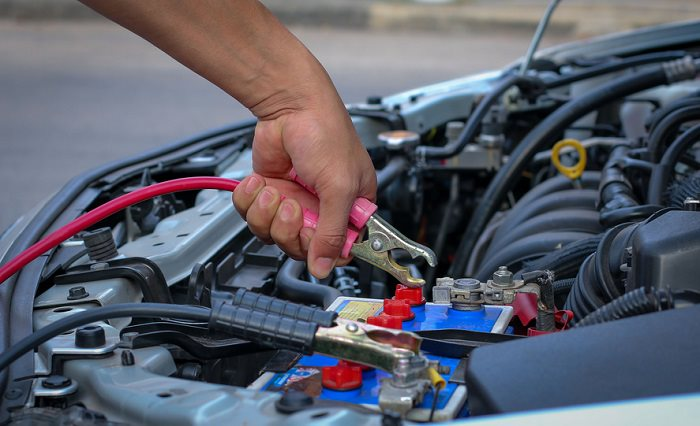
Start by identifying the red and black clamps on the jumper cables. The red clamps connect to the positive terminals, and the black clamps connect to the negative terminals or a grounded spot.
Attach Red Clamp To Dead Battery
Find the positive terminal on your Nissan Altima’s dead battery. It usually has a plus (+) sign or red cover. Firmly clamp the red jumper cable to this terminal. Ensure the clamp grips the metal part of the terminal fully.
Attach Red Clamp To Donor Battery
Locate the positive terminal on the donor car’s battery. Attach the other red clamp to this terminal. Check that the clamp is secure and not loose. This connection allows power to transfer between batteries.
Attach Black Clamp To Donor Battery
Next, find the negative terminal on the donor battery. It has a minus (-) sign or is black. Connect the black clamp to this terminal. Make sure the clamp holds the terminal tightly to maintain good contact.
Attach Black Clamp To Ground On Altima
Do not attach the last black clamp to the dead battery’s negative terminal. Instead, connect it to an unpainted metal part of the Nissan Altima’s engine or frame. This acts as a ground and reduces the risk of sparks near the battery.
Start The Vehicles
Starting the vehicles is a key step in jump-starting your Nissan Altima. This process transfers power from the donor car’s battery to your Altima’s battery. Follow these steps carefully to avoid any damage and ensure a smooth start.
Start The Donor Car
First, turn on the donor car. Let it run for a few minutes. This helps the battery build up enough charge. Keep the engine idle, do not rev it. The steady power is important for a safe jump.
Attempt To Start Altima
Next, try to start your Nissan Altima. Turn the key or press the start button. If it starts, keep it running. This allows the battery to recharge while driving. If it does not start, don’t panic. Move to the next step.
Wait And Retry If Needed
Wait a few more minutes with both cars running. This gives more time for the battery to charge. Try starting your Altima again. Sometimes it takes two or three attempts. If it still does not start, check connections or battery condition.
Disconnect Jumper Cables
Disconnecting the jumper cables is a vital step after jump-starting your Nissan Altima. It prevents sparks and protects both vehicles’ electrical systems. Follow the correct order to remove the cables safely. This ensures no damage happens to the battery or the car’s electronics.
Start by removing the black clamps first. These are the ground connections. Then, remove the red clamps, which connect to the positive terminals. This order helps avoid short circuits and sparks. Take your time and handle the clamps carefully.
Remove Black Clamp From Altima
Locate the black clamp attached to the Nissan Altima’s battery. This clamp connects to the negative terminal or a metal ground point. Hold the clamp firmly and pull it straight off. Avoid touching the clamp to any metal parts of the car.
Remove Black Clamp From Donor
Find the black clamp connected to the donor vehicle’s battery. This is also on the negative terminal or a ground spot. Grab the clamp and lift it off slowly. Keep it away from the car and other cables to prevent sparks.
Remove Red Clamp From Donor
Next, take the red clamp off the donor vehicle’s positive battery terminal. Hold the clamp by the insulated handle. Pull it off carefully without letting it touch any metal surface or other clamps.
Remove Red Clamp From Altima
Finally, remove the red clamp from the Nissan Altima’s positive battery terminal. Grip the clamp by its insulated part. Pull it off gently and place all clamps away from the batteries. This completes the safe disconnection process.

Credit: shop.leenissanfwb.com
Post-jump Tips
After jump-starting your Nissan Altima, some important steps help keep it running smoothly. These tips protect your battery and avoid future issues. Follow these simple actions right after the jump.
Keep Altima Running
Do not turn off the engine immediately after the jump. Let the car run for a while to stabilize the electrical system. This helps the battery regain some charge and prevents it from dying again soon.
Drive To Recharge Battery
Driving your Altima after a jump is the best way to recharge the battery fully. A short drive of at least 15 to 20 minutes helps the alternator restore battery power. Avoid using too many electric devices during this time.
Check Battery Health
Visit a mechanic or auto shop to check your battery’s condition soon after the jump. They can test if the battery holds a charge or needs replacement. Early checks prevent unexpected battery failures later.
Credit: www.sansonesnissan.com
Frequently Asked Questions
How Do I Safely Jump Start A Nissan Altima?
Park cars close without touching. Connect red clamp to dead battery positive, then donor battery positive. Connect black clamp to donor battery negative and ground on Altima. Start donor car, then Altima.
What Tools Do I Need To Jump A Nissan Altima?
You need jumper cables and a working vehicle with a charged battery. No special tools required.
How Long Should I Run My Nissan Altima After Jump Starting?
Run your Altima at least 20 minutes to recharge the battery fully.
Can I Jump Start My Nissan Altima With A Portable Charger?
Yes, portable jump starters work well. Follow the device instructions carefully for safe use.
What Are Common Mistakes To Avoid When Jump Starting My Nissan Altima?
Avoid reversing cable connections and touching clamps together. Do not start with cables connected improperly.
What If My Nissan Altima Doesn’t Start After Jump Starting?
Check cable connections and battery condition. If still no start, the battery or starter may need professional help.
Conclusion
Jumping a Nissan Altima is simple with the right steps. Always stay safe and follow instructions carefully. Check your cables and connections before starting. Once the car starts, let it run to charge the battery. Remember, regular battery checks can prevent surprises.
Knowing how to jump your car saves time and stress. Keep this guide handy for emergencies on the road. Practice these steps calmly and confidently. Your Nissan Altima will be running again in no time.
As an Amazon Associate, I earn from qualifying purchases