If you own a 2012 Nissan Altima, keeping your transmission fluid at the right level is key to smooth driving and avoiding costly repairs. But how do you check it properly?
You might think it’s complicated, but it’s easier than you expect. Knowing how to check your transmission fluid can save you time, money, and stress down the road. You’ll learn simple, step-by-step instructions to check your transmission fluid quickly and correctly.
Keep reading to protect your car and keep it running like new.

Credit: www.youtube.com
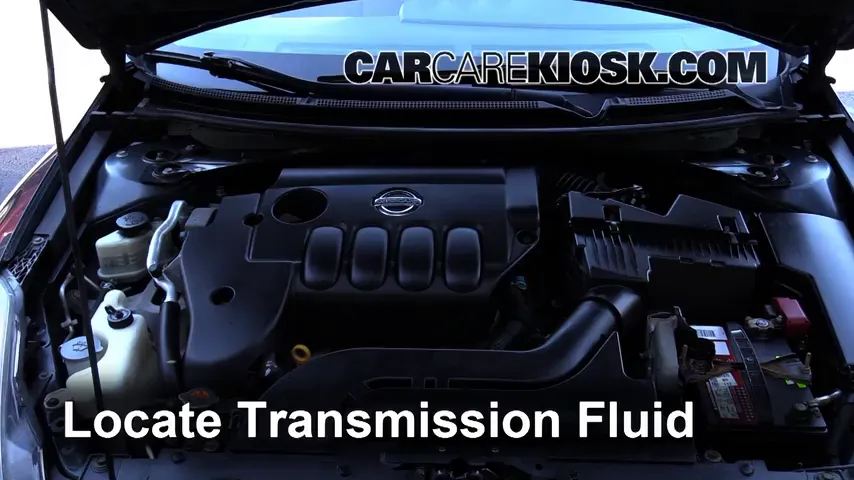
Locate The Transmission Dipstick
Checking the transmission fluid in your 2012 Nissan Altima starts with finding the dipstick. This part helps you see the fluid level and condition. Knowing where the dipstick is saves time and avoids confusion.
The dipstick is easy to reach once you open the hood. It looks different from the engine oil dipstick. Finding the right one is important for accurate checking.
Open The Hood Safely
Park your car on a flat surface. Turn off the engine and set the parking brake. Pull the hood release lever inside the car. Usually, it is under the dashboard on the driver’s side.
Go to the front of the car. Lift the hood slightly and find the safety latch under the hood’s edge. Push or slide the latch to open the hood fully. Use the prop rod to hold the hood up if needed.
Find The Dipstick Handle
Look near the back of the engine. The transmission dipstick has a small handle. It is often red, yellow, or orange. This color helps it stand out.
The handle might say “Transmission” or have a symbol. Pull the dipstick out slowly. Wipe it clean before checking the fluid level. This step ensures you get a clear reading.
Prepare Your Vehicle
Preparing your 2012 Nissan Altima before checking the transmission fluid is important. Proper preparation ensures accurate fluid level readings. It also helps you avoid mistakes that can harm your vehicle.
Follow simple steps to get your car ready. These steps make the process safer and easier. Keep tools handy, and find a quiet spot to work.
Warm Up The Engine
Start your Altima and let the engine run for about five minutes. Warm fluid flows better and shows the true level. Avoid revving the engine; just keep it idle.
Park On A Level Surface
Find a flat, level spot to park your car. Uneven ground can give false fluid readings. A level surface ensures the fluid settles properly in the transmission.
Engage The Parking Brake
Always set the parking brake before checking the fluid. This keeps your car from moving accidentally. Safety first, even on flat surfaces.
Check The Transmission Fluid Level
Checking the transmission fluid level is important for your 2012 Nissan Altima’s smooth driving. It helps avoid transmission problems and keeps the car running well. This process is simple and takes only a few minutes.
Regular checks can save you from costly repairs. Follow these steps carefully to check the fluid level correctly.
Remove And Clean The Dipstick
First, find the transmission dipstick under the hood. Pull the dipstick out slowly. Wipe it clean with a soft cloth or paper towel. This removes old fluid and dirt. A clean dipstick helps get an accurate reading.
Reinsert And Remove The Dipstick
Put the dipstick back into its tube fully. Wait a few seconds to let the fluid settle. Pull the dipstick out again gently. Avoid tipping it to keep the fluid on the stick.
Read The Fluid Level
Look at the fluid on the dipstick carefully. Check the marks that show the correct level. The fluid should be between the “Full” and “Add” marks. Low fluid means you need to add more. Also, note the fluid color. It should be bright red and clear. Dark or burnt-smelling fluid means it needs changing.
Credit: www.carcarekiosk.com
Inspect Fluid Condition
Inspecting the transmission fluid condition is a key step in maintaining your 2012 Nissan Altima. It helps spot problems early and keeps your car running smoothly. Clean, healthy fluid ensures proper shifting and prevents costly damage.
Checking the fluid’s look, smell, and cleanliness gives clear signs about its state. This quick inspection saves time and money on repairs later.
Assess Fluid Color
Transmission fluid should be bright red or pink. Dark brown or black fluid means it is old and dirty. Cloudy or faded fluid can indicate contamination. Healthy fluid looks clear and vibrant.
Check For Odor
Fresh transmission fluid has a slightly sweet smell. Burnt or sour odors suggest overheating or worn parts. A strong burnt smell means the fluid needs changing right away.
Look For Contaminants
Small particles or debris in the fluid point to internal damage. Check for metal shavings or dirt in the fluid. Contaminants reduce fluid effectiveness and harm transmission parts.
Add Transmission Fluid If Needed
Adding transmission fluid to your 2012 Nissan Altima is simple but important. The right amount keeps your transmission running smoothly. Too little fluid causes problems. Too much fluid can also harm your car. Follow these steps carefully to add fluid correctly.
Select The Correct Fluid Type
Use only the fluid type recommended by Nissan. Check your owner’s manual for the exact specification. Typically, Nissan Altima models use Nissan Matic S fluid. Using the wrong type can damage your transmission. Buy fluid from a trusted store or dealer. Avoid mixing different brands or types.
Add Fluid Through Dipstick Tube
Open the hood and locate the transmission dipstick. Use a clean funnel to pour the fluid. Slowly add the fluid into the dipstick tube. Pour a small amount at a time. Check the fluid level frequently to avoid overfilling. Let the fluid settle for a minute before checking again.
Avoid Overfilling
Overfilling can cause foaming and poor transmission performance. Always check the fluid level after adding small amounts. The fluid should be between the “Full” and “Add” marks on the dipstick. If the level is too high, remove excess fluid. Proper fluid level ensures smooth shifting and longer transmission life.
Common Transmission Fluid Issues
Transmission fluid is vital for the smooth operation of your 2012 Nissan Altima. It keeps the transmission cool and lubricated. Problems with the fluid can cause serious damage. Recognizing common issues early helps protect your car and saves money on repairs.
Low Fluid Symptoms
Low transmission fluid leads to poor shifting. You may feel slipping or jerking while driving. The transmission might make strange noises. Delayed gear engagement is also a sign. Check fluid levels regularly to avoid these problems.
Signs Of Fluid Contamination
Clean transmission fluid is usually bright red. Dark, cloudy, or burnt-smelling fluid signals contamination. Contaminated fluid can cause rough shifting or overheating. It may also leave particles or debris in the fluid. Changing the fluid fixes these issues and protects the transmission.
When To Consult A Mechanic
Unusual noises or shifting problems need professional help. If fluid leaks appear under your car, see a mechanic. Persistent slipping or overheating also requires expert diagnosis. Early repair prevents costly transmission damage. Trust a certified technician for proper care.
Maintenance Tips
Keeping your 2012 Nissan Altima’s transmission fluid in good shape helps your car run smoothly. Proper maintenance avoids costly repairs and extends the life of the transmission. Here are simple tips to keep your fluid healthy and your car performing well.
Regular Fluid Checks
Check the transmission fluid often. This helps spot issues early. Warm up the engine before checking. Use the dipstick to pull fluid and see its color and level. Healthy fluid is pink or red and clear. Dark or burnt-smelling fluid needs attention.
Scheduled Fluid Changes
Change the fluid based on Nissan’s recommendations. Usually, every 30,000 to 60,000 miles is good. Old fluid loses its ability to protect the transmission. Fresh fluid keeps parts lubricated and cool. Follow the schedule even if the fluid looks fine.
Using Quality Fluids
Use the right type of transmission fluid. Nissan specifies specific fluids for the Altima. Using wrong fluid can cause damage and poor shifting. Buy fluids from trusted brands. Avoid cheap or unknown products to keep your car safe.

Credit: gainesvillenissanservice.com
Frequently Asked Questions
How Do I Locate The Transmission Fluid Dipstick On A 2012 Nissan Altima?
The dipstick is near the engine, usually marked with a yellow or red handle for easy spotting.
When Should I Check The Transmission Fluid In My 2012 Nissan Altima?
Check the fluid every 30,000 miles or if you notice shifting problems or strange noises.
What Is The Proper Way To Check Transmission Fluid Level?
Park on a level surface, warm up the engine, then pull out the dipstick and wipe it clean.
How Do I Know If The Transmission Fluid Needs Changing?
Look for dark, dirty fluid or a burnt smell; clear, pinkish fluid means it’s good.
Can I Check Transmission Fluid With The Engine Cold Or Hot?
It’s best to check with the engine warm for the most accurate fluid level reading.
What Type Of Transmission Fluid Does A 2012 Nissan Altima Require?
Use Nissan Matic S or an equivalent Nissan-approved fluid for optimal performance.
Conclusion
Checking the transmission fluid in your 2012 Nissan Altima helps keep it running smoothly. Regular checks prevent costly repairs and improve performance. Remember to check the fluid when the engine is warm and the car is on level ground. Clean, pink fluid means good condition; dark or burnt fluid means change is needed.
Simple steps like these protect your car’s transmission. Stay safe on the road by keeping up with this easy task. It only takes a few minutes but saves you time and money later.
As an Amazon Associate, I earn from qualifying purchases