If you own a Nissan with a CVT transmission, you might have noticed there’s no traditional dipstick to check the transmission fluid. This can leave you wondering how to make sure your transmission fluid is at the right level.
Keeping your CVT fluid in check is crucial for smooth driving and avoiding costly repairs. You’ll learn simple, step-by-step methods to check your Nissan CVT transmission fluid level without a dipstick. By the end, you’ll feel confident maintaining your car’s transmission and protecting your investment.
Keep reading to discover the easy tricks every Nissan owner should know.
Identifying Nissan Cvt Models Without Dipstick
Nissan CVT models often lack a dipstick for fluid checks. Instead, use the car’s service port and follow the owner’s manual steps. Checking fluid level this way helps maintain smooth transmission performance.
Which Nissan Cvt Models Lack A Dipstick?
Many Nissan CVT models no longer have a traditional dipstick. These models use a sealed transmission system. This design reduces leaks and contamination risks. Most Nissan cars from 2013 onward often come without a dipstick. Popular models include the Nissan Altima, Sentra, and Rogue. They use a sealed CVT that requires special tools to check fluid levels.
How To Recognize Sealed Cvt Systems
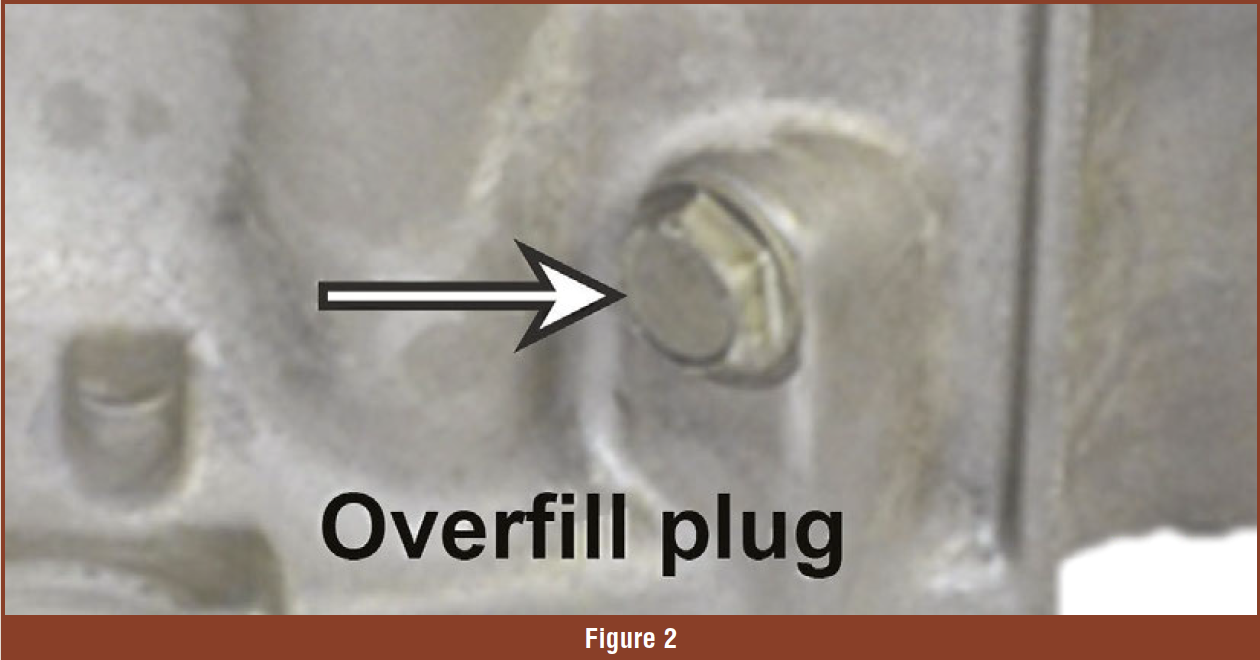
Sealed CVTs do not have a visible dipstick tube under the hood. Instead, they have a fill plug or inspection plug on the transmission case. The transmission fluid is checked through this plug during service. Look for a small bolt or plug on the side of the transmission. This plug is usually recessed and marked for fluid checking. It differs from the usual dipstick near the engine bay.
Why Nissan Removed Dipsticks From Cvt Models
Nissan removed dipsticks to improve transmission reliability. Dipsticks can allow dirt or moisture to enter. Sealed systems keep the fluid cleaner longer. They also prevent user error during fluid checks. This change helps the transmission last longer with less maintenance. It also means fluid checks need to be done by trained technicians.

Credit: www.youtube.com
Why No Dipstick In Cvt Transmissions
Nissan CVT transmissions do not have a traditional dipstick. This confuses many car owners. The absence of a dipstick is due to how CVT systems are designed and maintained. These transmissions need precise fluid levels for smooth operation.
Using a dipstick could cause inaccurate readings. CVT fluid behaves differently than regular transmission fluid. It requires special handling to keep the transmission healthy.
Design Differences In Cvt Transmissions
CVT uses a belt and pulley system, unlike regular transmissions. This design needs a sealed environment to avoid contamination. A dipstick opening could let dirt or moisture inside. This can damage the transmission quickly.
Importance Of Fluid Level Accuracy
CVT fluid levels must be exact. Too much or too little fluid harms the transmission. Traditional dipsticks cannot measure these levels accurately in CVTs. A sealed system helps maintain the perfect fluid balance.
Manufacturer’s Approach To Fluid Checks
Nissan uses a sealed transmission system. They recommend checking fluid levels through the transmission’s fill plug. This method ensures the fluid is at the right temperature and level. It prevents leaks and contamination, keeping the CVT running smoothly.
Tools Needed For Fluid Level Check
Checking the CVT transmission fluid level on a Nissan without a dipstick requires a few specific tools. These tools help you measure fluid accurately and safely. Using the right equipment makes the process smoother and prevents damage to your vehicle.
Gathering the correct tools first saves time and reduces errors. Each tool has a unique role in the fluid check process. Some tools measure fluid temperature, while others help access the fluid fill or check plug.
Transmission Fluid Level Check Plug
This plug allows access to the fluid inside the transmission. Removing it lets fluid flow out or reveals the fluid level visually. It replaces the dipstick in Nissan CVT systems.
Fluid Temperature Gauge
Transmission fluid must be at the right temperature for an accurate check. A temperature gauge helps ensure the fluid is warm enough, usually around 35-45°C (95-113°F). Cold fluid can give false readings.
Funnel And Clean Container
Use a funnel to add fluid without spills. A clean container collects any fluid that drains out. These tools keep the workspace clean and help prevent contamination.
Socket Wrench Set
A socket wrench set helps remove and tighten the fluid check plug. Choose the correct size to avoid stripping the plug. This tool is essential for safe and easy access.
Gloves And Rags
Wear gloves to protect your hands from hot fluid. Rags help wipe off excess fluid and clean the area around the plug. Keep your workspace tidy and safe.
Credit: gearsmagazine.com
Preparing Your Vehicle For Fluid Check
Start by parking your Nissan on a flat surface and warming up the engine. Keep the car running to get an accurate fluid reading. Make sure you have gloves and a clean cloth ready for the check.
Park On A Level Surface
Start by parking your Nissan on flat ground. A level surface ensures an accurate fluid reading. Avoid slopes or uneven areas. This prevents fluid from settling unevenly inside the transmission.
Warm Up The Engine
Turn on the engine and let it run until it reaches normal temperature. This usually takes about 10 to 15 minutes. Warm fluid flows better and gives a true fluid level.
Engage All Gear Positions
Shift through each gear slowly. Pause for a few seconds in each position. This moves the transmission fluid through the system evenly.
Keep The Vehicle Running
Keep the engine running during the fluid check. The transmission fluid circulates only when the engine is on. This helps in getting an accurate level reading.
Locating The Transmission Fluid Fill Plug
Locating the transmission fluid fill plug is the first step in checking the fluid level in a Nissan CVT transmission without a dipstick. This plug is where you add or check the fluid. Finding it can be tricky because it is not always in an obvious place.
Knowing the exact location helps avoid mistakes and ensures proper fluid level checking. It also prevents damage to the transmission from overfilling or underfilling.
Where To Find The Transmission Fluid Fill Plug
The fill plug is usually on the side of the transmission case. It sits below the transmission housing near the engine. You might need to look under the car to see it clearly.
Tools Needed To Access The Fill Plug
Use a wrench or a socket set that fits the plug. Sometimes, a ratchet with an extension helps reach the plug easier. Keep a clean rag nearby to wipe away dirt.
Signs Of The Fill Plug
The plug is often a square or hex shape bolt. It is smaller than other bolts on the transmission. Look for a bolt with a metal washer around it.
Safety Tips Before Checking
Make sure the car is parked on a flat surface. Use wheel chocks to stop the car from moving. Let the transmission cool down to avoid burns.
Steps To Check Fluid Level Using Fill Plug
Checking the Nissan CVT transmission fluid level without a dipstick requires using the fill plug. This method helps ensure the fluid is at the correct level for smooth transmission performance. Follow these simple steps carefully to check the fluid safely and accurately.
Ensuring Vehicle Is On Level Ground
Park the vehicle on flat, level ground. This helps get an accurate fluid level reading. Turn off the engine and let the car cool down for a few minutes. Avoid checking the fluid on a slope or uneven surface. Level ground prevents false readings and possible damage.
Removing The Fill Plug Safely
Locate the fill plug on the transmission case. Use the correct tool to loosen the plug slowly. Wear gloves to protect your hands from hot fluid. Place a container nearby to catch any fluid that may leak. Remove the plug carefully without forcing it.
Assessing Fluid Level And Condition
The fluid should be level with the bottom of the fill hole. If fluid drips out slightly, the level is correct. Use a clean finger or tool to check the fluid color and smell. Healthy fluid is clear or light amber and has no burnt odor. Dark or dirty fluid needs changing.
Adding Transmission Fluid Correctly
Adding transmission fluid correctly is important for your Nissan CVT. This keeps the transmission working well and stops damage. Using the right fluid and adding it properly helps your car run smooth and last longer.
Choosing The Right Fluid
Use only Nissan CVT transmission fluid or a fluid that meets Nissan’s specifications. Check your owner’s manual for the exact type. Using the wrong fluid can cause slipping or damage. Avoid common automatic transmission fluids unless specified by Nissan. The right fluid keeps the transmission cool and clean.
Proper Fluid Addition Technique
Park your car on a level surface and warm up the engine. Remove the fill plug carefully. Use a clean funnel or a fluid pump to add fluid slowly. Add small amounts at a time to avoid overfilling. Check the fluid level by watching the fluid flow from the fill hole. Stop adding when the fluid just starts to drip out. Tighten the fill plug securely to prevent leaks. Wipe off any spilled fluid to keep the area clean.
Signs Of Transmission Fluid Issues
Transmission fluid plays a key role in the smooth operation of a Nissan CVT transmission. Problems with the fluid can cause serious issues. Recognizing signs of transmission fluid problems early helps avoid costly repairs. This section covers common signs to watch for.
Unusual Noises
Strange sounds like whining or grinding often mean low or dirty fluid. The transmission fluid lubricates parts and keeps noise down. If fluid is low, the transmission can make more noise than usual.
Delayed Or Slipping Shifts
The car may hesitate or slip during gear changes. This happens if the fluid is old or contaminated. Healthy fluid keeps the CVT shifting smoothly and without delays.
Overheating Transmission
Overheating is a serious sign of fluid issues. Transmission fluid cools the system while driving. Low or dirty fluid causes the transmission to heat up quickly.
Burning Smell
A strong burning odor often means the fluid is burnt or degraded. Healthy fluid has a mild smell. Burning fluid can damage transmission parts fast.
Fluid Leaks
Check for red or brown fluid under the vehicle. Leaks reduce fluid levels, causing transmission problems. Spotting leaks early helps protect your Nissan CVT.
When To Visit A Professional Mechanic
Strange noises or slipping gears mean a visit to a mechanic is needed. Checking Nissan CVT fluid without a dipstick can be tricky for beginners. Professionals have the right tools to do it safely and correctly.
Signs Of Low Or Dirty Cvt Fluid
Strange noises from the transmission may signal fluid issues. Harsh or delayed gear shifts can also be a warning sign. Burning smell or dark fluid color shows contamination. These symptoms need a mechanic’s inspection.
Difficulty Checking Fluid Level Yourself
Nissan CVT transmissions often lack a dipstick. This makes fluid level checks tricky at home. If you cannot find the fluid reservoir or filler plug, seek professional help. They have tools and skills to check it safely.
Regular Maintenance And Fluid Change
Transmission fluid wears out over time. Mechanics recommend fluid changes based on mileage or time. Professionals know the exact fluid type and amount for your Nissan. Visiting a mechanic helps keep your transmission healthy.
Warning Lights On Dashboard
Transmission or check engine lights may turn on. These alerts indicate possible fluid or transmission problems. A trained mechanic can diagnose and fix the issue quickly. Do not ignore dashboard warnings.
After Transmission Repairs Or Problems
After any transmission repair, a fluid check is essential. Mechanics ensure the fluid level and condition are correct. This step prevents future damage and keeps your CVT running smoothly.

Credit: www.reddit.com
Frequently Asked Questions
How Do I Check Nissan Cvt Fluid Level Without Dipstick?
Locate the transmission fluid check plug under the vehicle and measure fluid level using the correct procedure.
Where Is The Nissan Cvt Fluid Check Plug Located?
The check plug is usually on the transmission case’s side or bottom, near the drain plug.
What Tools Are Needed To Check Cvt Fluid Level?
You’ll need a wrench to remove the check plug and a clean container to catch any fluid.
Can I Check Nissan Cvt Fluid Level When Engine Is Cold?
No, the engine must be warm and running at idle for an accurate fluid level reading.
How Much Fluid Should Overflow From The Check Plug Hole?
Fluid should slightly drip out when the level is correct, indicating the system is full.
How Often Should Nissan Cvt Fluid Be Checked Or Changed?
Check fluid every 30,000 miles and change it as recommended in the owner’s manual.
Conclusion
Checking your Nissan CVT transmission fluid without a dipstick is simple. Follow the steps carefully to avoid mistakes. Keep the car on level ground and the engine warm. Use the fill plug method or consult your owner’s manual for guidance.
Regular checks help prevent costly repairs and keep your transmission running smoothly. Stay safe and take your time. This small effort can save you trouble down the road.
As an Amazon Associate, I earn from qualifying purchases