If you drive a 2017 Nissan Altima, keeping your air conditioning running smoothly is probably important to you—especially on hot days. But do you know how much Freon your car’s AC system actually needs?
Using the right amount of Freon is key to keeping your air conditioner cool and efficient. Too little, and your AC won’t chill properly. Too much, and you could damage the system. You’ll find the exact Freon capacity for your 2017 Nissan Altima and tips on how to recharge it safely.
Keep reading to avoid costly mistakes and enjoy cool rides all summer long.
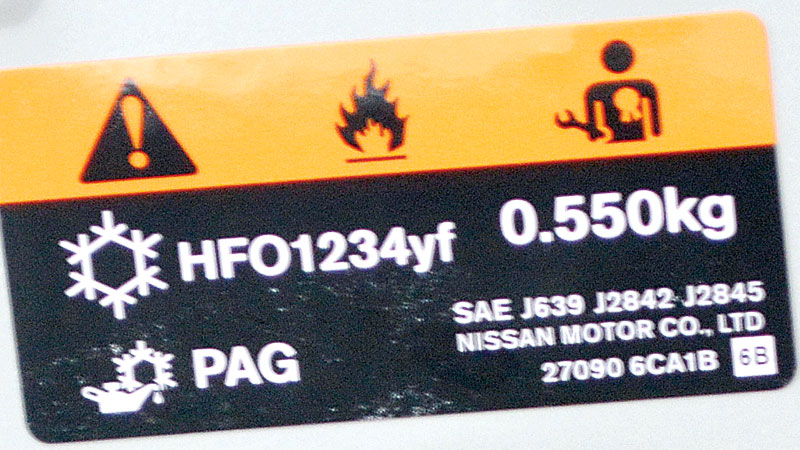
Credit: automotivetechinfo.com
Freon Basics
Understanding Freon is key to knowing how your car’s air conditioning works. Freon is the cooling agent inside your vehicle’s AC system. It helps keep the air inside your car fresh and cool. Knowing a bit about Freon can help you take better care of your 2017 Nissan Altima.
What Is Freon
Freon is a brand name for refrigerants used in cooling systems. It is a chemical that changes from gas to liquid to absorb heat. This process cools the air that comes out of your car’s vents. Most modern cars, like the 2017 Nissan Altima, use a type called R-134a. This Freon type is safe and effective for car AC systems.
Role In Vehicle Ac Systems
Freon moves inside the AC system through tubes and coils. It absorbs heat from the air inside the car. Then, it releases this heat outside the vehicle. This cycle cools the air before it reaches the cabin. Without Freon, the AC system cannot cool air. It also helps keep the system parts from freezing or overheating.
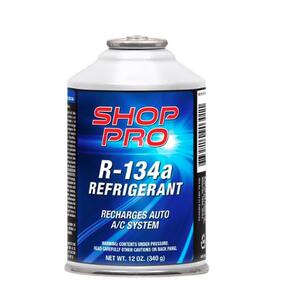
Credit: www.autozone.com
2017 Nissan Altima Ac Specs
The air conditioning system in the 2017 Nissan Altima is designed for efficient cooling. It uses a specific type and amount of refrigerant to keep the cabin comfortable. Knowing these details helps with proper maintenance and repair. This ensures the AC works well and lasts longer.
The system is reliable and easy to service. Understanding its specs can save time and money. Let’s explore the key details about the refrigerant type and system capacity.
Recommended Refrigerant Type
The 2017 Nissan Altima uses R-134a refrigerant. This type is common in many vehicles of the same era. It cools the air effectively and is widely available. Using the right refrigerant keeps the system safe and efficient.
Mixing or using the wrong refrigerant can damage the AC system. Always check your vehicle manual or consult a professional before refilling.
System Capacity Details
The AC system in the 2017 Altima holds about 18.6 ounces of refrigerant. This is roughly 530 grams. Filling the system with the correct amount ensures peak performance.
Overcharging or undercharging can cause cooling problems. It may also lead to costly repairs. Proper capacity helps the AC blow cold air and run smoothly.
Checking Freon Levels
Checking the Freon levels in your 2017 Nissan Altima is important for keeping the air conditioning system working well. Low Freon can make the air conditioner blow warm air. It also causes the system to work harder, which can lead to damage.
Regularly checking the Freon helps you find problems early. It keeps the inside of your car cool and comfortable. Knowing how to check Freon levels saves time and money on repairs.
Signs Of Low Refrigerant
One sign is warm air coming from the vents. The air conditioner may not cool like before. You might hear strange noises when the AC runs. The system can cycle on and off too much. Sometimes, moisture or ice forms on the AC parts.
These signs mean the Freon is low or leaking. Acting quickly prevents bigger problems and keeps your AC working well.
Tools Needed For Measurement
To check Freon levels, you need a pressure gauge set. These come with hoses that connect to the car’s AC ports. A thermometer helps check the air temperature from the vents. Safety glasses and gloves protect your eyes and hands. A service manual shows the correct pressure for your Nissan Altima.
Using the right tools gives accurate readings. This helps know if your Freon level is good or needs refilling.
Refilling Freon
Refilling the Freon in a 2017 Nissan Altima is a key part of keeping the air conditioning system working well. Freon is the coolant that helps the AC blow cold air. Over time, the Freon level drops, making the air warm. Refilling Freon is a task many car owners can do themselves with the right tools and knowledge. The process requires care and attention to ensure the AC system works safely and effectively.
Step-by-step Recharging Process
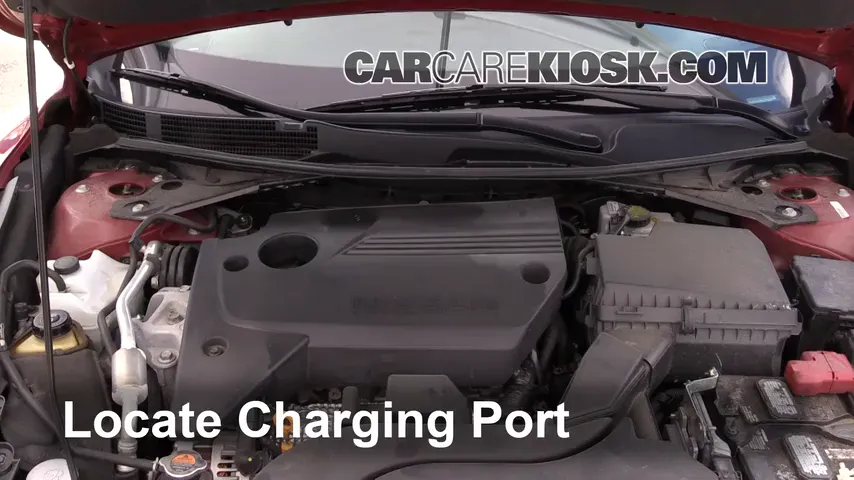
First, locate the low-pressure port under the hood. It is usually near the AC compressor. Attach the Freon can’s hose to this port securely. Start the car and turn the AC to the highest cool setting. Open the Freon can valve slowly to allow gas to flow in. Watch the pressure gauge and stop adding when it reaches the recommended level. Close the valve and remove the hose carefully. Check the AC system to see if the air is cold again.
Safety Precautions
Wear gloves and eye protection during the refill. Freon can be harmful if it touches skin or eyes. Work in a well-ventilated area to avoid breathing fumes. Never add too much Freon; overcharging can damage the AC system. Keep Freon away from open flames or heat sources. Follow the instructions on the Freon can carefully. Proper handling keeps you safe and protects your car.
Common Mistakes
Many car owners make mistakes when handling their 2017 Nissan Altima’s Freon. These errors can harm the car’s cooling system and cost money. Knowing common mistakes helps keep your AC working well.
Overcharging Risks
Adding too much Freon is a frequent error. Overcharging puts pressure on the AC system parts. It can cause leaks or damage the compressor. The AC might stop cooling properly. Always measure Freon carefully. Follow the car manual’s recommended amount.
Using Wrong Refrigerant
Using the wrong type of refrigerant is another common mistake. The 2017 Nissan Altima uses specific Freon types. Using a different one can harm the AC system. It may cause poor cooling or damage. Always check the correct refrigerant type before adding. This keeps the AC safe and efficient.
Credit: www.carcarekiosk.com
Professional Service Options
Handling Freon recharge for a 2017 Nissan Altima needs care and skill. Professional service options offer safe and accurate results. Experts have the right tools and knowledge for your car’s air conditioning system. They ensure the correct amount of Freon is used. This helps your AC work well and last longer.
Choosing professional help avoids common mistakes like overfilling or underfilling Freon. These can harm your car’s AC system or reduce cooling. Trusting trained technicians can save time and money. They find leaks, check pressure, and refill Freon properly. Here are key points about professional service options.
When To Seek Expert Help
Notice weak cooling or strange noises from your AC? Time to see a pro. Low Freon levels usually cause poor airflow and warm air. Professionals can detect leaks with special tools. They fix leaks before refilling Freon, preventing future problems. Avoid DIY if you lack experience or tools. Expert help ensures safety and system health.
Cost Expectations
Freon recharge cost varies by location and service type. On average, expect to pay between $100 and $200. This includes leak detection, repair, and recharge. Prices rise if major repairs are needed. Some shops charge extra for environmental disposal fees. Always ask for a clear estimate before service. Investing in professional care protects your AC and saves money long-term.
Frequently Asked Questions
How Much Freon Does A 2017 Nissan Altima Need?
The 2017 Nissan Altima requires about 14 ounces of R-134a refrigerant for a full recharge.
What Type Of Freon Does A 2017 Nissan Altima Use?
This model uses R-134a refrigerant, the common type for most cars made before 2020.
How Do I Check Freon Levels In My Altima?
Use a pressure gauge on the low-pressure port to see if the Freon level is low.
Can I Add Freon Myself To A 2017 Altima?
Yes, but it is best to follow instructions carefully or ask a professional for help.
What Happens If My Altima Has Too Little Freon?
Low Freon causes weak air conditioning and may damage the AC system over time.
How Often Should I Refill Freon In My 2017 Altima?
Freon rarely needs refilling unless there is a leak; check yearly for best results.
Conclusion
The 2017 Nissan Altima usually needs about 1. 4 pounds of Freon. Keeping the AC charged helps it run smoothly and cool your car. Too much or too little Freon can cause problems. Check your car’s manual or ask a professional for the exact amount.
Regular maintenance saves time and money. A well-charged AC keeps your drives comfortable in hot weather. Simple steps make a big difference for your car’s cooling system.
As an Amazon Associate, I earn from qualifying purchases