Are you curious about your Toyota Tacoma’s catalytic converters? Knowing how many catalytic converters your truck has can save you time and money, especially when it comes to repairs or upgrades.
You might think this detail is small, but it plays a big role in your vehicle’s performance and emissions. You’ll discover exactly how many catalytic converters your Toyota Tacoma has and why this matters to you. Keep reading to get the clear answers you need for your truck’s health and your peace of mind.
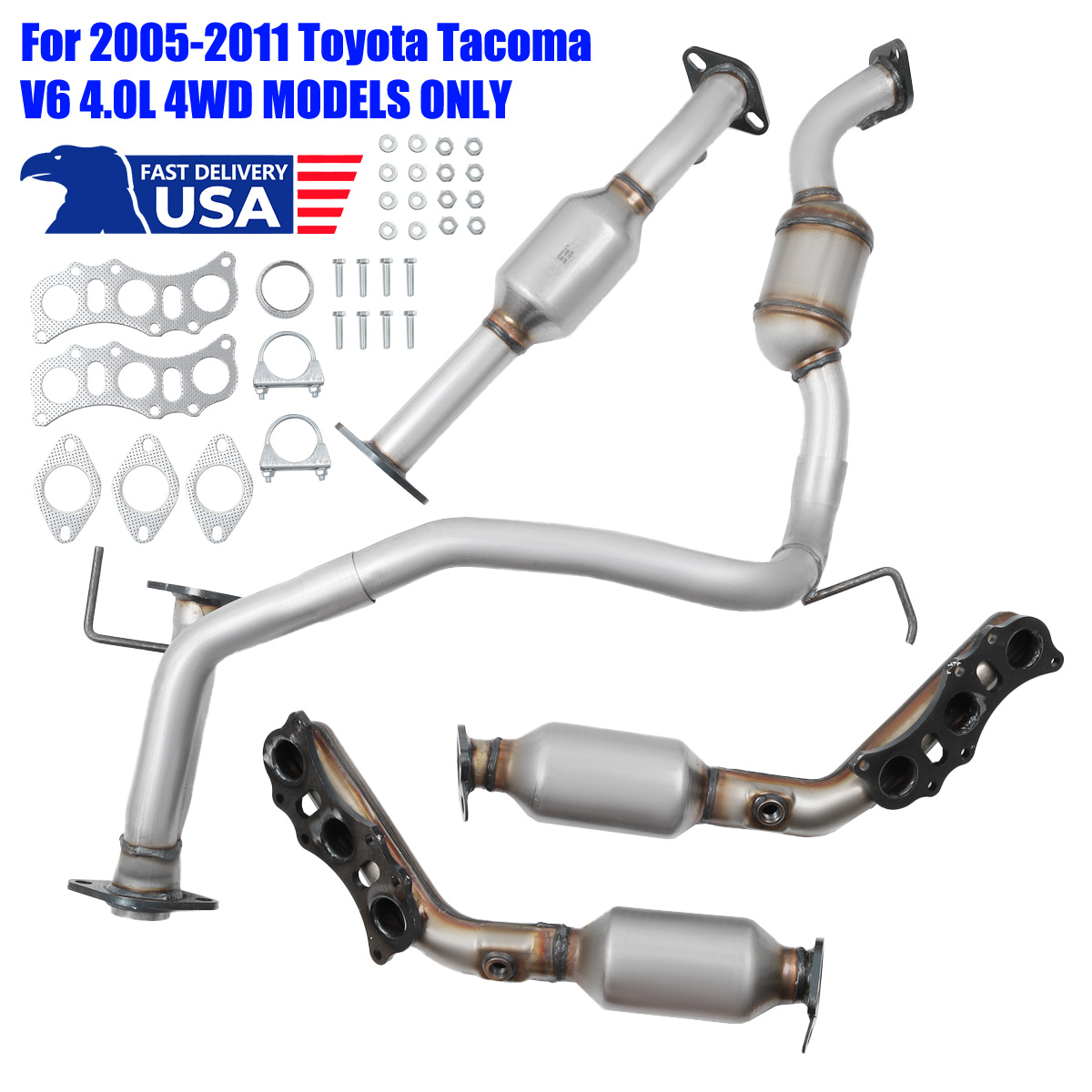
Credit: www.ebay.com
Catalytic Converter Basics
The catalytic converter is a small but vital part of your Toyota Tacoma. It helps reduce pollution from the engine. This device changes harmful gases into less harmful ones. Understanding how it works can help you care for your vehicle better.
It plays a key role in keeping the air clean. Knowing its basics helps you understand why your Tacoma has this part. Let’s explore the main functions and types of catalytic converters.
Role In Vehicle Emissions
The catalytic converter cleans exhaust gases before they leave the car. It reduces three main pollutants: carbon monoxide, nitrogen oxides, and hydrocarbons. These gases cause smog and health problems. The converter uses a chemical process to change them into water vapor, nitrogen, and carbon dioxide. This helps protect the environment and meet emission laws.
Types Of Catalytic Converters
There are mainly two types of catalytic converters. The first is the two-way converter. It handles carbon monoxide and hydrocarbons by turning them into less harmful gases. The second type is the three-way converter. It also reduces nitrogen oxides. Most modern vehicles, including the Toyota Tacoma, use three-way converters. They are more efficient at reducing pollution.
Credit: www.tacomaworld.com
Toyota Tacoma Models And Engines
The Toyota Tacoma is a popular midsize pickup truck known for its reliability. It offers various models and engine options. Each engine type affects how the vehicle handles and performs. Knowing these details helps understand the number of catalytic converters used.
Engine Variants Overview
The Tacoma comes with two main engine choices. A 2.7-liter four-cylinder engine powers the base models. It delivers decent fuel economy and performance for daily driving. Another option is the 3.5-liter V6 engine. This engine provides more power and torque for tougher tasks.
Both engines use different technology to meet emission rules. The four-cylinder engine is simpler and has fewer parts. The V6 engine is more complex but offers better power output. These differences influence the design of the exhaust and emission system.
Impact On Emission Systems
The emission system cleans harmful gases from the engine. Catalytic converters are key parts of this system. Most Toyota Tacomas have two catalytic converters. One is placed close to the engine, called the primary converter. The second one is further down the exhaust pipe, known as the secondary converter.
The number and type of catalytic converters depend on the engine variant. The 3.5-liter V6 often needs a more advanced setup. This is because it produces more emissions that need cleaning. The 2.7-liter four-cylinder usually has a simpler system with two converters as well.
These systems ensure the Tacoma meets strict emission standards. They help reduce pollution and keep the truck running efficiently. Understanding these details clarifies why the number of catalytic converters varies.
Number Of Catalytic Converters In Toyota Tacoma
The number of catalytic converters in a Toyota Tacoma varies. It depends on the model year and engine type. Catalytic converters help reduce harmful emissions from the vehicle’s exhaust. Knowing how many converters your Tacoma has can help with maintenance and repairs.
Standard Configurations
Most Toyota Tacoma trucks come with one or two catalytic converters. The typical setup includes one primary converter near the engine. Some models have a second converter further down the exhaust system. This second converter helps clean the exhaust gases more thoroughly.
Differences By Model Year
Older Tacoma models usually have one catalytic converter. Newer models often include two converters for better emission control. Environmental rules have become stricter over time. Toyota has adjusted the number of converters to meet these rules. This change helps reduce pollution from the vehicle.
Effect Of Engine Type
The engine type also affects the number of converters. Four-cylinder Tacomas often have one converter. V6 models usually come with two converters. Larger engines produce more exhaust gases. Extra converters help keep emissions within legal limits.
Signs Of Catalytic Converter Issues
The catalytic converter is a key part of your Toyota Tacoma’s exhaust system. It helps reduce harmful emissions. When it starts to fail, your truck may show certain signs. Recognizing these signs early can save you from costly repairs and keep your vehicle running smoothly.
Problems with the catalytic converter affect engine performance and emissions. Pay attention to any unusual changes in your Tacoma. Below are common symptoms and ways to diagnose issues.
Common Symptoms
A failing catalytic converter often causes poor engine performance. You might notice a drop in power or slow acceleration. The engine may run rough or stall unexpectedly. A rotten egg smell from the exhaust is another sign. This odor comes from unprocessed fuel. Your Tacoma’s fuel efficiency might also decrease. Sometimes, the check engine light turns on. These symptoms signal that the catalytic converter needs attention.
Diagnostic Methods
Mechanics use tools to check the catalytic converter’s condition. An OBD-II scanner reads error codes from your vehicle’s computer. Codes related to emissions often point to catalytic converter issues. Inspecting the exhaust system for damage or clogging helps too. A temperature test measures heat before and after the converter. Large temperature differences can indicate blockages. Professional diagnosis ensures accurate detection and proper repairs.
Replacement And Maintenance Tips
Knowing when and how to maintain or replace the catalytic converter in your Toyota Tacoma helps keep your truck running well. Proper care prevents bigger problems and saves money over time. Understanding the signs of wear and the costs involved makes the process easier.
When To Replace
Replace the catalytic converter if your Tacoma shows poor engine performance. Trouble starting or reduced power may signal a clogged converter. Also, a strong sulfur smell or a check engine light can mean a failing converter. Have a mechanic check the system to confirm before replacing.
Cost Considerations
The cost to replace a catalytic converter varies widely. Parts alone can cost from $500 to $2,000 depending on the model year and type. Labor costs add to the total price. Use quality parts to avoid frequent replacements and ensure proper function.
Preventive Care
Keep your catalytic converter healthy by using the right fuel type and maintaining the engine. Regular oil changes and tune-ups reduce risks of damage. Avoid running the engine when it is low on fuel or overheating. These steps extend the life of the converter and your Tacoma.
Environmental And Legal Aspects
The Toyota Tacoma uses catalytic converters to reduce harmful gases. These parts help keep the air clean. They also meet strict laws about car emissions. Understanding the environmental and legal aspects shows why these parts matter.
Emissions Regulations
Cars must follow rules to limit pollution. These rules vary by state and country. The Toyota Tacoma’s catalytic converters help it pass these tests. Without them, the truck would release more harmful gases. This can lead to fines and legal trouble.
Importance Of Working Converters
Good catalytic converters protect the environment by lowering toxins. They stop dangerous gases like carbon monoxide and nitrogen oxides. A broken converter can cause more pollution. It also reduces fuel efficiency and engine performance. Keeping converters in good shape is both smart and legal.
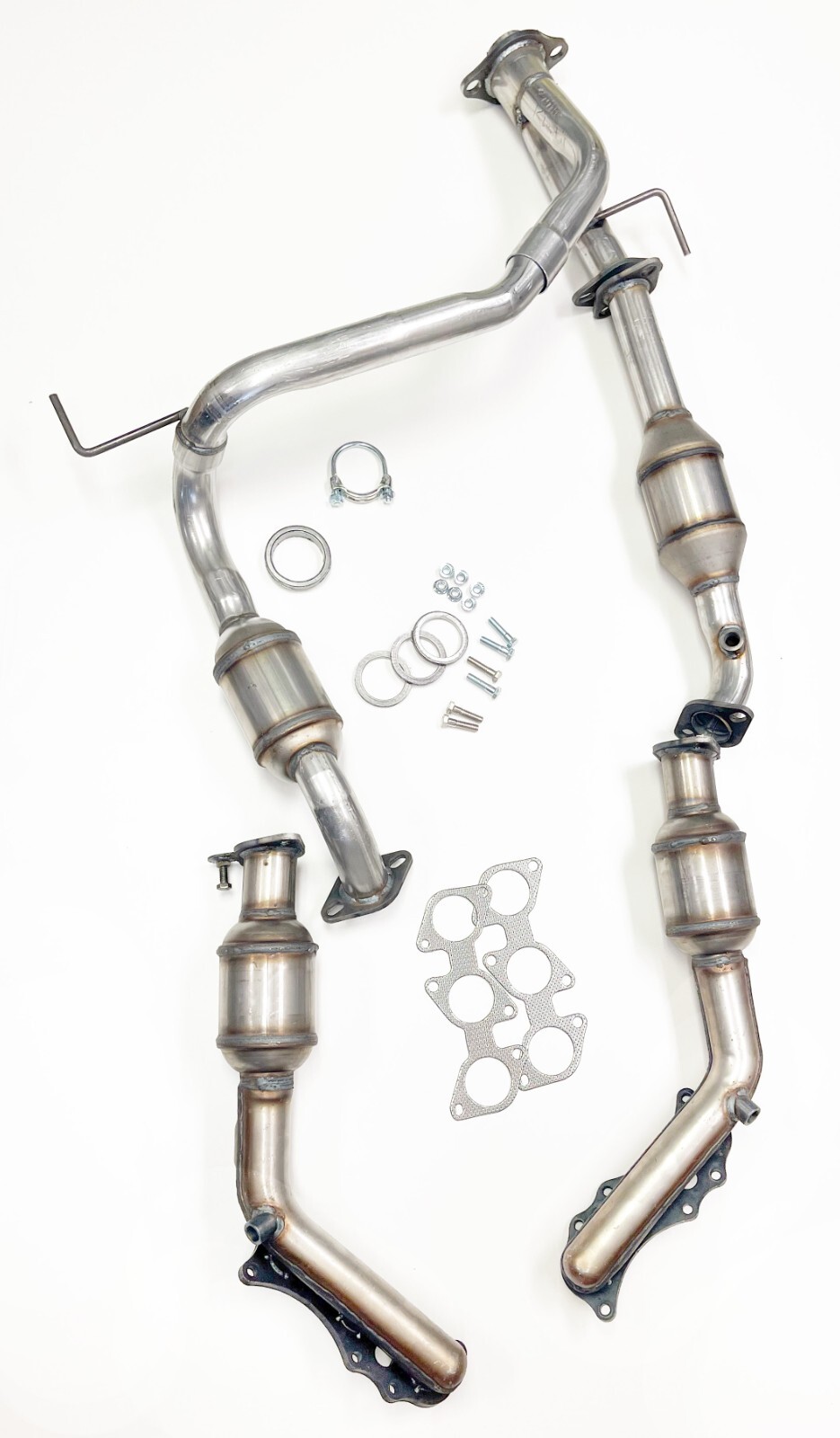
Credit: www.ebay.com
Frequently Asked Questions
How Many Catalytic Converters Does A Toyota Tacoma Have?
A Toyota Tacoma usually has two catalytic converters to reduce harmful emissions.
Why Does A Toyota Tacoma Need Two Catalytic Converters?
Two converters help clean exhaust gases better and meet emission rules.
Where Are The Catalytic Converters Located On A Toyota Tacoma?
They are found along the exhaust system, near the engine and under the truck.
Can A Toyota Tacoma Run With One Catalytic Converter Removed?
No, removing one can cause engine problems and fail emission tests.
How To Know If A Toyota Tacoma’s Catalytic Converters Are Bad?
Look for poor engine performance, bad smell, or a check engine light.
Is Replacing Both Catalytic Converters On A Toyota Tacoma Necessary?
Replacing both is best to keep emission control working well and avoid issues.
Conclusion
A Toyota Tacoma usually has one or two catalytic converters. This depends on the engine type and model year. Catalytic converters help reduce harmful gases from the exhaust. They keep the air cleaner and meet emission rules. Knowing how many converters your truck has helps with repairs.
It also ensures your vehicle runs smoothly and stays legal. Keep an eye on your Tacoma’s exhaust system for any issues. Regular checks can prevent costly problems later. Understanding these parts makes you a smarter vehicle owner.
As an Amazon Associate, I earn from qualifying purchases