Have you ever wondered if your Toyota’s spare tire comes with a TPMS sensor? If you rely on your car’s Tire Pressure Monitoring System to keep you safe, this question is more important than you might think.
Knowing whether your spare tire is equipped with TPMS can help you avoid unexpected alerts and keep your drive smooth and secure. Stick with me, and you’ll discover exactly what you need to know about Toyota spare tires and TPMS – so you can stay confident on the road without any surprises.
Toyota Spare Tire Basics
Toyota spare tires are essential for safety and convenience. They help drivers continue their journey after a flat tire or damage. Understanding the basics of Toyota spare tires helps users maintain them properly. This knowledge ensures readiness during emergencies and avoids unexpected troubles on the road.
Spare tires vary in design and function. Knowing their types and purpose helps in making informed decisions. It also clarifies common questions about features like the Tire Pressure Monitoring System (TPMS).
Types Of Toyota Spare Tires
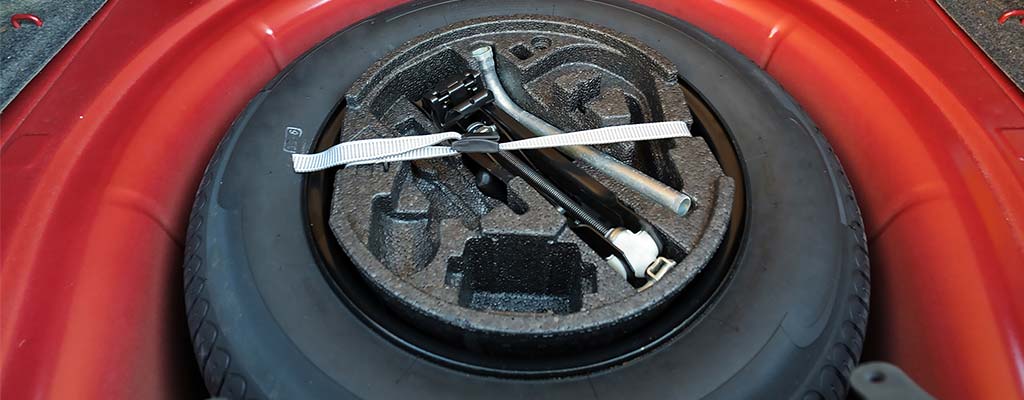
Toyota offers mainly two types of spare tires. The first is the full-size spare, which matches regular tires. It provides the same performance and durability. The second is the compact spare, also called a “donut.” This tire is smaller and lighter. It saves space but has speed and distance limits. Some Toyota models may have run-flat tires instead, which allow driving short distances after a puncture.
Purpose Of Spare Tires
The main purpose of a spare tire is to replace a damaged tire. It allows the driver to reach a service station safely. Spare tires prevent being stranded in unsafe or remote areas. They also reduce stress during tire failures. Using the spare tire correctly keeps the vehicle balanced and stable until repairs are done.
Credit: www.toyotanation.com
Tpms Overview
TPMS stands for Tire Pressure Monitoring System. It helps drivers know the air pressure in their tires. This system is important for safety and saving fuel. It alerts drivers when tire pressure is too low or too high. Many modern cars, including Toyota models, come with TPMS installed.
Understanding how TPMS works helps to see why it is useful. It can also explain if a Toyota spare tire has TPMS or not. This system keeps you safe on the road by warning about tire problems early.
How Tpms Works
TPMS uses sensors inside each tire. These sensors measure the air pressure continuously. The sensors send data to the car’s computer system. If the pressure drops below the safe level, the system alerts the driver. The alert usually appears on the dashboard. Some TPMS types use direct sensors in the tire. Others use indirect methods by tracking wheel speed.
Benefits Of Tpms
TPMS improves safety by preventing tire blowouts. It helps maintain correct tire pressure. This leads to better fuel efficiency. Proper tire pressure also extends tire life. Drivers get early warnings about leaks or punctures. This system reduces the risk of accidents caused by tire failure. It saves money on tire repairs and fuel costs.
Tpms In Toyota Spare Tires
Tire Pressure Monitoring Systems (TPMS) help drivers keep tires at safe pressure levels. Toyota vehicles include TPMS to improve safety and performance. But what about the spare tire? Does it have TPMS too? This section explains TPMS in Toyota spare tires and the options available.
Factory-installed Tpms On Spares
Some Toyota models come with a spare tire that has a factory-installed TPMS sensor. This sensor works the same as the main tires’ sensors. It sends pressure data to the car’s system. This helps avoid surprises when using the spare tire. Not all models have this feature. It depends on the year and trim level. Check your vehicle’s manual to confirm.
Aftermarket Tpms Options
If your Toyota spare tire lacks a factory TPMS sensor, aftermarket options exist. These sensors can be installed on the spare wheel. They connect to your vehicle’s TPMS system or a separate display. Aftermarket sensors vary in price and features. Some offer real-time pressure alerts. Installing aftermarket TPMS improves safety and peace of mind. It ensures you know the spare’s condition anytime.

Credit: kudautoparts.com
Checking Tpms Status On Spare Tires
Checking the TPMS status on spare tires is important for safety. Not all spare tires have TPMS sensors. Knowing how to check helps you avoid driving with low tire pressure.
Spare tires often stay unused for long times. Pressure can drop without you noticing. Regular checks keep your spare ready for emergencies.
Indicator Lights And Alerts
Your car’s dashboard shows TPMS warnings. A light turns on if a tire’s pressure is low. This includes the spare if it has a sensor.
Some vehicles do not monitor the spare tire. The warning light may stay off even if the spare pressure is low. Always check your car manual for details.
Manual Tpms Inspection
Use a tire pressure gauge to check the spare tire manually. This is the best way to know the exact pressure.
Check the spare tire pressure at least once a month. Adjust it to the recommended level found in your car’s manual.
This simple step ensures your spare tire is safe and ready to use anytime.
Maintaining Spare Tire Tpms
Maintaining the spare tire’s TPMS (Tire Pressure Monitoring System) is important for safety and convenience. Many drivers forget the spare tire until they need it. A properly working TPMS sensor in the spare tire helps avoid surprises during emergencies.
Spare tires are stored for long periods. This can cause the sensor battery to drain or the sensor to stop working. Regular care keeps the TPMS sensor ready to alert you about tire pressure issues.
Battery Life And Sensor Replacement
TPMS sensors have batteries that last about 5 to 10 years. The spare tire sensor battery may drain faster due to less frequent use. Replace the sensor or battery if you notice TPMS warnings or no signal from the spare tire.
Some Toyota models require a full sensor replacement when the battery dies. Check your vehicle manual or visit a dealer to confirm the process. Keeping the sensor battery fresh ensures accurate tire pressure readings.
Regular Spare Tire Checks
Check the spare tire pressure at least once every few months. This keeps the tire inflated and the TPMS sensor active. Inspect the spare tire for damage or wear during these checks.
Regular checks help detect sensor problems early. They also ensure the spare tire is safe and ready for use. A well-maintained spare tire with a working TPMS sensor improves your driving safety.
Common Tpms Issues With Spare Tires
Tire Pressure Monitoring Systems (TPMS) help keep your driving safe. They alert you if a tire loses air pressure. Spare tires often cause TPMS problems. These issues can confuse drivers and cause false warnings. Understanding common problems helps you avoid trouble on the road.
False Alarms
Spare tires can trigger false TPMS alerts. This happens because many spares do not have sensors. The system expects signals from all tires. Missing signals from the spare can look like a problem. These false alarms distract drivers and cause worry. They might lead to unnecessary visits to the mechanic.
Sensor Damage And Malfunctions
Spare tires often stay unused for a long time. Sensors inside them can get damaged or stop working. Harsh weather and rough handling can harm sensors. When you mount the spare, the TPMS may not read it right. This causes errors and warning lights. Regular checks can catch sensor problems early.
Tips For Using Spare Tires Safely
Spare tires are essential for emergencies. Using them safely helps avoid accidents and damage. Follow these tips to get the best from your spare tire.
Spare tires are not made for long drives. They need special care to keep you safe on the road.
Driving Recommendations
Drive slowly when using a spare tire. Stay under 50 mph to avoid tire damage. Avoid sharp turns and hard braking. Spare tires have less grip than regular tires. Check tire pressure often to keep it safe. Use the spare only for short distances.
Timely Replacement Of Spares
Spare tires can age even if unused. Replace spares every six years to stay safe. Look for cracks or wear before use. Old spares may fail during a trip. Store the spare in a cool, dry place. Proper storage helps extend the tire’s life.
Credit: www.lesschwab.com
Frequently Asked Questions
Does Toyota Spare Tire Include A Tpms Sensor?
Most Toyota spare tires do not have a TPMS sensor installed.
Can I Rely On My Toyota Spare Tire’s Tpms?
Spare tires usually lack TPMS, so they may not show tire pressure alerts.
How Does Toyota Notify If Spare Tire Pressure Is Low?
The TPMS system may not detect spare tire pressure changes without sensors.
Should I Check My Toyota Spare Tire Pressure Regularly?
Yes, check spare tire pressure often since TPMS may not monitor it.
Can I Add A Tpms Sensor To My Toyota Spare Tire?
Yes, adding a TPMS sensor to a spare tire is possible and helpful.
What Happens If My Toyota Spare Tire Lacks Tpms During Use?
Without TPMS, you won’t get alerts for low pressure on the spare tire.
Conclusion
Toyota spare tires usually do not have TPMS sensors. This means the tire pressure system may not work when using the spare. Drivers should check the spare tire pressure manually. Keeping the spare tire ready helps avoid surprises on the road.
Remember, regular tires with TPMS give better safety alerts. Always inspect your tires before driving. Knowing this helps you stay safe and prepared. Simple checks can prevent bigger problems later. Stay aware and drive with confidence.
As an Amazon Associate, I earn from qualifying purchases