Your car won’t start after overheating, and you’re left wondering what went wrong. It’s frustrating and worrying, especially when you rely on your vehicle every day.
But don’t panic just yet. Understanding why your car won’t start after getting too hot can save you time, money, and stress. You’ll discover the common reasons behind this problem and simple steps to get your car back on the road quickly.
Keep reading—you’re closer to the solution than you think.
Signs Of Overheating
Knowing the signs of overheating helps protect your car’s engine. Overheating can cause serious damage. Catching early signs can save time and money. Watch for clear signals before your car stops working.
Engine Temperature Warning
The engine temperature gauge shows if the engine is too hot. It moves into the red zone when overheating starts. A warning light may also appear on the dashboard. Never ignore these alerts. They tell you the engine needs help.
Steam And Smell
Steam coming from under the hood is a clear sign. It means the engine coolant is boiling. You might smell a sweet or burning odor. This smell comes from leaking coolant or hot engine parts. Stop driving immediately if you see steam or smell this.
Performance Issues
The car may lose power or run rough when overheating. You might hear strange noises like knocking or pinging. The engine could stall or hesitate. These issues show the engine is stressed. Address them quickly to avoid further damage.

Credit: www.reddit.com
Common Causes
When a car overheats and won’t start, several common causes might be the reason. Knowing these causes helps to find the problem quickly. It also saves time and money on repairs.
Coolant Leaks
Coolant leaks reduce the cooling system’s ability to cool the engine. Low coolant levels cause the engine to overheat. Leaks can come from hoses, radiator, or water pump. Check for wet spots or puddles under the car.
Faulty Thermostat
The thermostat controls the flow of coolant in the engine. A stuck thermostat blocks coolant flow. This causes the engine to get too hot. A broken thermostat needs to be replaced to fix the issue.
Radiator Problems
The radiator cools the hot coolant from the engine. A clogged or damaged radiator cannot cool properly. Dirt, debris, or corrosion can block radiator tubes. This leads to engine overheating and starting problems.
Water Pump Failure
The water pump moves coolant through the engine and radiator. A broken water pump stops coolant flow. Without coolant circulation, the engine quickly overheats. Signs include leaks or strange noises near the pump.
Broken Cooling Fan
The cooling fan helps lower the radiator temperature. A broken fan cannot cool the engine effectively. This often causes overheating, especially in traffic or hot weather. The fan motor or blades may need repair or replacement.
Immediate Actions
When your car won’t start after overheating, act fast to avoid more damage. Immediate actions can protect your engine and help you diagnose the problem. Follow these simple steps carefully.
Turn Off Engine
Stop driving and turn off the engine right away. Continuing to run the engine can cause severe damage. Let the car rest and avoid trying to start it again immediately.
Let Engine Cool Down
Wait for the engine to cool down completely. This can take 30 minutes or longer. Opening the hood helps air flow and speeds cooling. Never open the radiator cap while the engine is hot.
Check Coolant Level
Once the engine is cool, check the coolant level in the reservoir. Low coolant can cause overheating. Add coolant if needed, but only after the engine cools. Use the correct type of coolant for your car.
Inspect For Visible Damage
Look under the hood for signs of leaks, broken hoses, or cracks. Check the radiator and coolant reservoir for damage. Damaged parts need quick repair to prevent further issues.
Quick Fixes To Try
When a car overheats and won’t start, quick fixes might help. These steps do not need special tools. Most people can try them safely at home.
Start by checking basic issues before calling a mechanic. These fixes can save time and money. Try each method carefully, one by one.
Refilling Coolant
Coolant stops the engine from overheating. Check the coolant level in the reservoir. If it is low, add the correct coolant mix. Avoid opening the radiator cap when the engine is hot. Wait until the engine cools down to prevent burns. Refilling coolant can help the engine cool properly.
Resetting The Battery
Overheating can cause the battery to disconnect. Turn off the car and open the hood. Remove the negative battery cable first, then the positive one. Wait for a few minutes, then reconnect the cables. Connect the positive cable first, then the negative. Resetting the battery can clear electrical issues and help the car start.
Checking And Replacing Fuses
Overheating may blow fuses in the car’s electrical system. Locate the fuse box under the hood or inside the car. Use the fuse diagram to find the blown fuse. Replace any blown fuse with one of the same type and rating. A new fuse can restore power to essential parts of the car.
Jump Starting The Car
A dead battery can stop the car from starting after overheating. Use jumper cables and another vehicle’s battery. Attach the red cable to the positive terminals on both cars. Connect the black cable to the negative terminal on the good battery. Attach the other end to a metal part of the dead car’s engine. Start the working car, then try starting the dead car. Jump starting can bring the battery back to life temporarily.
When To Call A Mechanic
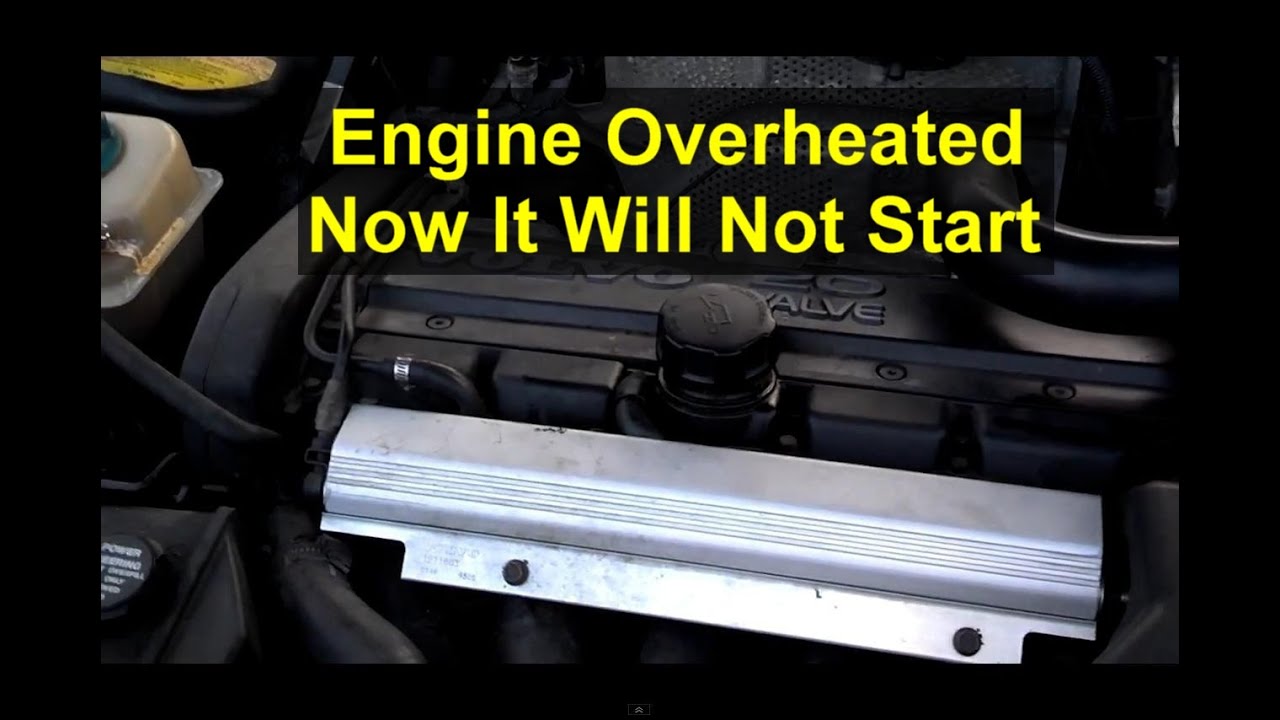
Knowing when to call a mechanic is important if your car won’t start after overheating. Some problems need expert help to avoid more damage. Acting quickly can save time and money. Watch for clear signs that show your car needs professional care.
Persistent Starting Issues
Your car tries to start but fails repeatedly. The engine may crank slowly or not at all. This can signal serious problems like a damaged starter or battery issues. If simple fixes like jump-starts don’t work, call a mechanic right away.
Signs Of Engine Damage
Overheating can cause engine parts to crack or warp. Look for leaks, smoke, or steam from the engine. The check engine light might come on. Strange engine behavior means a mechanic must inspect and fix the damage.
Unusual Noises Or Smells
Listen for knocking, ticking, or grinding sounds when trying to start. These noises suggest internal damage. Burning smells or unusual odors also warn of overheating effects. These signs need immediate professional attention to prevent further harm.
Credit: www.youtube.com
Preventing Overheating
Preventing your car from overheating helps avoid engine damage and starting problems. Keeping the engine cool ensures smooth operation and extends the car’s life. Simple daily steps can stop overheating before it starts.
Regular Coolant Checks
Coolant keeps the engine temperature stable. Check the coolant level often. Low coolant can cause the engine to heat up fast. Top off with the right type of coolant. Look for leaks or discoloration in the coolant. Change coolant as recommended in the car manual.
Routine Maintenance
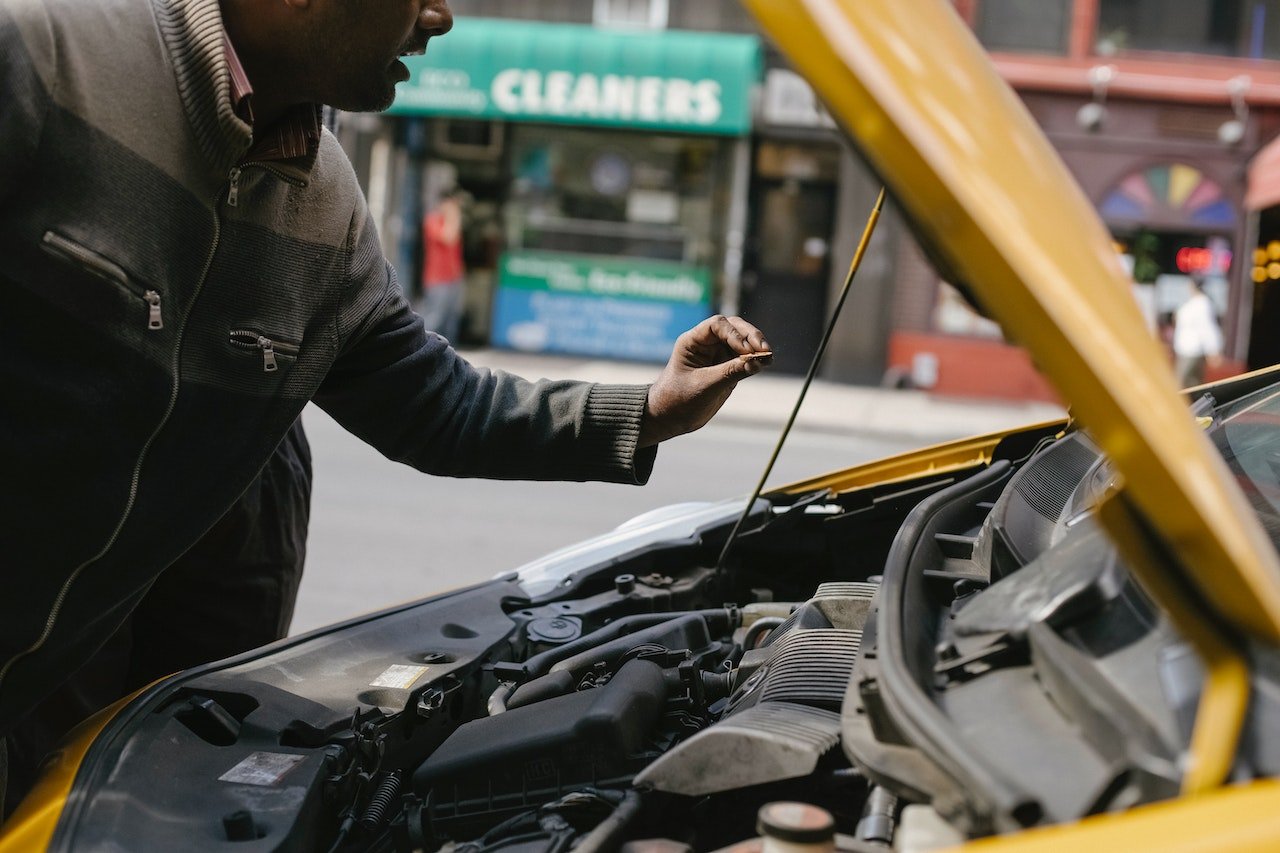
Regular service keeps the cooling system healthy. Inspect hoses and belts for cracks or wear. Replace damaged parts quickly. Clean the radiator to remove dirt and debris. A clean radiator cools better. Follow the service schedule for your vehicle.
Monitoring Temperature Gauge
Watch the temperature gauge on the dashboard. It shows if the engine runs hot. Stop the car if the gauge goes into the red zone. Turn off the engine and wait before checking. Ignoring this sign can cause serious damage.
Avoiding Heavy Loads In Heat
Driving with heavy loads in hot weather strains the engine. Avoid towing or carrying extra weight during heat waves. Use air conditioning sparingly to reduce engine stress. Drive slower on steep hills to keep temperature down. Lighten the load to help the engine stay cool.
Credit: www.jdpower.com
Frequently Asked Questions
Why Won’t My Car Start After Overheating?
Overheating can damage engine parts and sensors needed for starting. This stops the engine from turning on properly.
Can Overheating Cause A Car Battery To Fail?
Yes, high heat can weaken the battery and reduce its power. A weak battery may not start the car.
How Does An Overheated Engine Affect The Starter?
Heat can damage the starter motor or its electrical connections. This damage stops the engine from cranking.
Could A Blown Head Gasket Cause Starting Problems?
A blown head gasket from overheating can cause engine failure. This leads to loss of compression and no start.
Does Overheating Damage The Ignition System?
Overheating may harm ignition coils and spark plugs. Without sparks, the engine cannot start.
Can Coolant Leaks Lead To Car Not Starting?
Coolant leaks cause the engine to overheat and fail. This can prevent the car from starting.
How Soon Should I Check My Car After Overheating?
Check the car immediately after overheating to avoid more damage. Early inspection can save costly repairs.
Can A Damaged Radiator Cause Starting Issues?
A broken radiator can cause overheating and engine damage. This damage may stop the car from starting.
Is It Safe To Keep Trying To Start An Overheated Car?
Repeated attempts can worsen engine damage and cause failure. It is better to wait or call for help.
What Repairs Fix A Car That Won’t Start After Overheating?
Fixes include replacing damaged sensors, starter, battery, or head gasket. Proper cooling system repair is also needed.
Conclusion
A car that won’t start after overheating needs quick attention. Check the cooling system and engine parts first. Small problems can cause big issues if ignored. Keep an eye on your car’s temperature gauge. Regular maintenance helps avoid overheating and starting troubles.
Don’t wait too long to fix these problems. A healthy engine runs smoothly and starts easily. Taking care of your car saves time and money. Stay safe and keep your vehicle in good shape.
As an Amazon Associate, I earn from qualifying purchases