Have you ever turned your car key, hoping it will start, only to hear nothing but silence? When your car tries to start but won’t turn over, it can leave you feeling stuck and frustrated.
You might wonder what’s wrong, how serious the problem is, and what you should do next. Don’t worry—this guide will help you understand why your car won’t turn over and what steps you can take to fix it quickly. Keep reading to get your car back on the road without the stress.
Common Causes
Many drivers face the problem of a car trying to start but not turning over. This issue can stem from different parts of the vehicle. Understanding common causes helps to find the right fix quickly.
Dead Battery
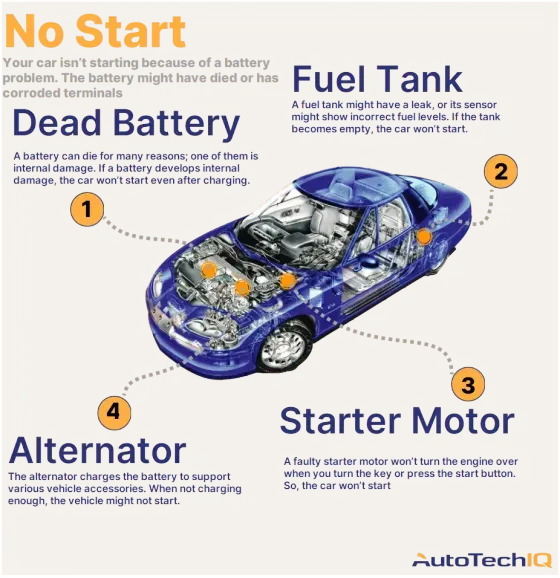
A dead battery is the most common cause of a car not turning over. Batteries lose power over time or from leaving lights on. Without enough power, the engine cannot start. Testing the battery voltage can confirm this issue.
Faulty Starter
The starter motor is responsible for turning the engine over. A faulty starter may produce clicking sounds or no sound at all. Worn-out parts inside the starter prevent it from working properly. Replacing the starter often solves this problem.
Ignition Switch Issues
The ignition switch sends power to the starter. If the switch is damaged, it might fail to send power. This causes the engine to not turn over despite turning the key. Checking the ignition switch wiring and connections can help.
Fuel Delivery Problems
Fuel is needed for the engine to run. If the fuel pump or filter is clogged or broken, fuel won’t reach the engine. The engine may try to start but fail without fuel. Inspecting the fuel system can reveal these problems.
Engine Mechanical Issues
Mechanical problems inside the engine can stop it from turning over. Broken timing belts or seized parts can cause the engine to lock. These issues need a mechanic’s attention for repair. Ignoring them can cause more damage.
Credit: www.autotechiq.com
Quick Diagnostic Steps
When your car tries to start but won’t turn over, quick checks help find the problem. These simple steps save time and money. Start with easy tests before calling a mechanic. Follow these quick diagnostic steps to spot common issues fast.
Check Battery Health
Look at the battery terminals. They must be clean and tight. A weak battery often causes no-start problems. Use a multimeter to check voltage. Healthy batteries show around 12.6 volts. Below 12 volts means low charge or a bad battery.
Listen For Clicking Sounds
Turn the key and listen carefully. A clicking noise often means a bad starter or low battery. No sound at all may indicate a faulty ignition switch. Clicking helps identify if the starter motor gets power or not.
Test Starter Motor
Tap the starter lightly with a tool. Sometimes it frees stuck parts inside. Try starting the car again. If it starts, the starter motor may need repair. No change means the starter might be broken and needs replacement.
Inspect Fuel System
Check if fuel reaches the engine. Listen for the fuel pump when turning the key. No sound means a fuel pump problem. Also, check the fuel filter for clogs. Blockages stop fuel from reaching the engine.
Examine Spark Plugs
Remove spark plugs and look at them closely. Dirty or worn plugs cause weak sparks. Clean or replace plugs if they look bad. Good spark plugs help the engine start smoothly and run well.
Simple Fixes To Try
When your car tries to start but won’t turn over, some simple fixes may help. These easy steps can save time and money. You can check and fix common issues yourself. Follow these basic tips to get your car running again.
Jump-start The Battery
A dead battery is a common cause. Use jumper cables and another car’s battery. Connect positive to positive, negative to negative. Start the working car first. Then try starting your car. This often brings the battery back to life.
Tap The Starter
The starter may be stuck. Gently tap it with a wrench or hammer. This can free the internal parts. Try starting the car again after tapping. Be careful not to hit too hard. This simple trick sometimes solves the problem.
Clean Battery Terminals
Corrosion can block battery power. Check the battery terminals for white or green buildup. Clean the terminals with a wire brush. Use baking soda and water for tough corrosion. Dry the terminals well before reconnecting. Clean connections help the car start better.
Replace Fuses
Fuses protect electrical parts. A blown fuse can stop the starter. Check the fuse box for any blown fuses. Replace any broken fuses with the same type. This may restore power to the starter system. Always use the correct fuse size.
Use Fuel Additives
Old or dirty fuel can block the engine. Add fuel additives to clean the fuel system. Pour the recommended amount into the gas tank. These additives remove deposits and improve flow. This helps the engine start and run smoothly.

Credit: www.wikihow.com
When To Call A Mechanic
Knowing when to call a mechanic can save you time and money. Some car problems look small but need expert help fast. Do not wait too long if your car tries to start but won’t turn over. Certain signs show the problem is more serious than it seems. Learning these signs helps you decide to get professional help.
Persistent Clicking Noise
A clicking noise that keeps happening is a warning. This sound often means the battery is weak or dead. It can also mean the starter motor is failing. Trying to start your car many times with this noise can cause more damage. A mechanic can test the battery and starter to fix the issue.
No Dashboard Lights
No lights on the dashboard when turning the key is not normal. It may mean the battery is completely dead or a wiring problem exists. This can stop the car from starting at all. A mechanic can check the electrical system and find the exact cause quickly.
Fuel Pump Failure Signs
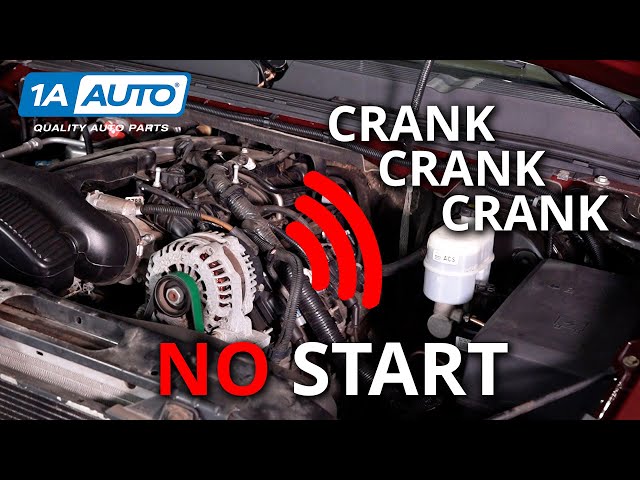
If your engine cranks but won’t start, the fuel pump might be bad. Other signs include strange noises from the fuel tank or the engine stalling. The fuel pump sends gas to the engine, so if it fails, the car won’t run. Mechanics have special tools to test and replace the fuel pump safely.
Engine Cranks But Won’t Start
The engine turning over but not starting is frustrating. This can happen due to many reasons like spark plug issues or fuel problems. It is best to call a mechanic if this happens after several tries. They can diagnose the problem quickly and avoid further damage.
Preventive Tips
Preventing your car from failing to turn over starts with simple care steps. These habits keep your vehicle ready and reliable. Small actions can stop big problems. Follow these tips to maintain your car’s starting system.
Regular Battery Maintenance
Check your battery terminals for dirt and corrosion. Clean them with a brush and baking soda solution. Ensure battery cables are tight and free from damage. Test battery voltage monthly. Replace the battery every three to five years to avoid unexpected failures.
Routine Starter Checks
Listen for unusual noises when starting your car. Grinding or clicking sounds may signal starter issues. Inspect the starter motor and solenoid annually. Replace worn-out starters promptly. Keep electrical connections clean and secure for smooth starts.
Keep Fuel Tank Full
Never let your fuel level drop too low. Running on low fuel can cause dirt to clog fuel filters. Keep the tank at least a quarter full. This helps maintain fuel pump health. Consistent fuel supply ensures your engine starts without trouble.
Schedule Timely Tune-ups
Follow your car’s service schedule for tune-ups. Replace spark plugs and ignition parts as needed. Check the ignition system regularly for wear. Proper tuning improves engine performance and starting reliability. Tune-ups save you from costly repairs later.
Credit: www.youtube.com
Frequently Asked Questions
Why Does My Car Try To Start But Won’t Turn Over?
A car tries to start but won’t turn over usually means the engine isn’t spinning. This can happen because of a bad battery, starter, or ignition switch.
Can A Dead Battery Cause This Starting Issue?
Yes, a dead or weak battery often stops the engine from turning over. The battery needs enough power to start the engine.
How Does A Faulty Starter Affect Engine Turnover?
A faulty starter motor can prevent the engine from spinning. It may click or make no sound when you turn the key.
Could Bad Ignition Switch Cause No Engine Turnover?
A bad ignition switch can stop the engine from turning over. It may fail to send the signal to start the engine.
Does Low Fuel Cause The Car Not To Turn Over?
Low fuel usually does not stop the engine from turning over. It can cause the engine to crank but not start.
Can Loose Or Corroded Battery Cables Cause This?
Yes, loose or corroded battery cables can block power flow. This stops the engine from turning over when you try to start.
How Can A Seized Engine Cause This Problem?
A seized engine cannot spin, so it won’t turn over. This happens due to internal damage or lack of oil.
Could A Bad Neutral Safety Switch Cause No Turnover?
Yes, a bad neutral safety switch can stop the engine from turning over. It prevents the car from starting unless in park or neutral.
Can A Faulty Relay Affect Engine Turnover?
A faulty starter relay can stop power from reaching the starter. This will prevent the engine from turning over.
Should I Check The Fuses If My Car Won’t Turn Over?
Checking fuses is a good step if the engine won’t turn over. A blown fuse can cut power to the starter or ignition system.
Conclusion
A car that tries to start but won’t turn over needs quick attention. Check the battery, starter, and fuel system first. Small problems can cause big issues. Taking simple steps can save time and money. Don’t ignore warning signs. Getting help early keeps your car running smoothly.
Stay calm and act smart to fix the problem fast.
As an Amazon Associate, I earn from qualifying purchases