Have you ever turned your key or pressed the start button, only to hear silence or a strange noise instead of your engine roaring to life? Car starting issues can be frustrating, especially when you’re in a hurry or far from help.
But don’t worry—you’re not alone, and understanding why your car won’t start is the first step to fixing it quickly. You’ll discover the most common reasons behind starting problems and simple tips to get your car running smoothly again. Keep reading, because solving this problem might be easier than you think.
Common Reasons Cars Won’t Start
Cars not starting can cause stress and delay. Many factors cause this problem. Knowing common reasons helps fix the issue faster. This guide covers frequent causes of car starting troubles.
Dead Or Weak Battery
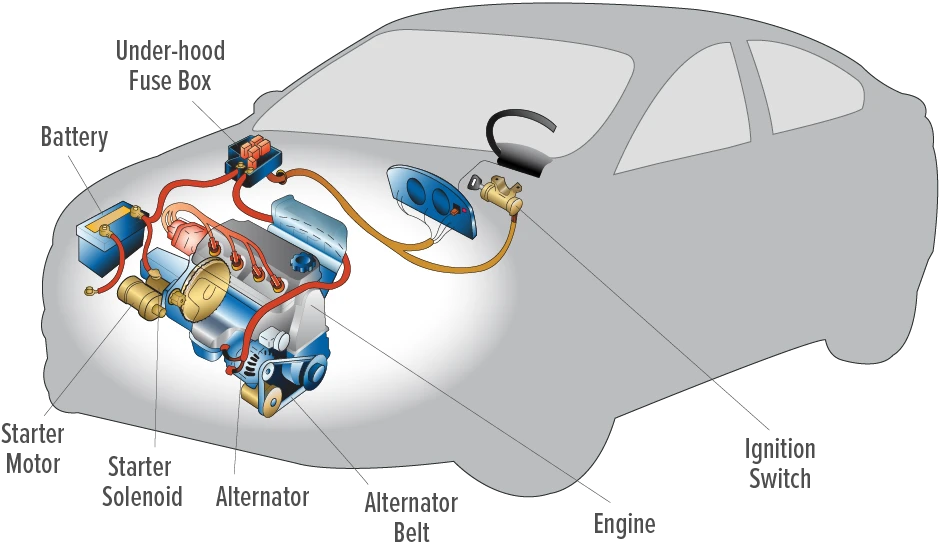
A dead battery is the top cause of no-start issues. Batteries lose power over time or due to cold weather. Weak batteries may not have enough energy to start the engine. Regular battery checks prevent sudden failures.
Faulty Starter Motor
The starter motor turns the engine on. If it fails, the car won’t start. Signs include a clicking noise or no sound at all. Starter motors wear out after years of use. Replacing a bad starter fixes the problem.
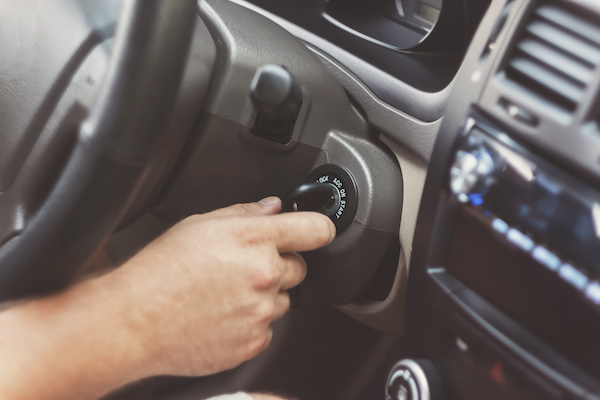
Ignition Switch Problems
The ignition switch sends power to start the car. A faulty switch stops this flow. Symptoms include no dashboard lights or no response when turning the key. Ignition switch issues need professional repair or replacement.
Fuel System Issues
The engine needs fuel to start. Clogged fuel filters or a bad fuel pump block fuel flow. This causes the car to crank but not start. Fuel system maintenance keeps the engine running smoothly.
Engine Timing Troubles
Engine timing controls when valves open and close. If timing is off, the engine won’t start or runs poorly. Timing belt or chain problems cause this issue. Fixing timing troubles requires mechanic expertise.

Credit: bumbleauto.com
Battery Troubles And Solutions
Battery problems cause many car starting issues. A weak or dead battery stops the engine from turning over. Regular checks help avoid sudden battery failure. Simple solutions can get your car running again quickly.
Checking Battery Health
Start by inspecting the battery terminals. Look for corrosion or loose connections. Clean terminals with a brush if dirty. Use a multimeter to measure voltage. A healthy battery shows around 12.6 volts. Below 12.4 volts means the battery needs charging or replacement.
Jump-starting Your Car
Jump-starting helps when the battery is too weak. Use jumper cables and another car’s battery. Connect positive to positive terminals first. Then connect the negative terminal to the engine block. Start the helper car and then your car. Let your car run for a while to recharge the battery.
Replacing A Dead Battery
Replace the battery if it won’t hold charge. Choose a battery that fits your car model. Remove the negative terminal first, then the positive. Secure the new battery in place. Connect the positive terminal first, then the negative. Test the car to ensure the new battery works well.
Starter Motor Fixes
The starter motor is key to starting your car’s engine. Problems here stop your car from turning on. Fixing starter motor issues often solves many starting problems. Knowing how to spot and fix these faults saves time and money. This section covers how to identify starter motor faults and how to repair or replace the starter.
Identifying Starter Motor Faults
Signs of a bad starter motor include a clicking noise when turning the key. Sometimes, the engine does not turn over at all. A slow crank or grinding sound may also indicate starter issues. Check if dashboard lights dim during start attempts. This shows the starter is drawing too much power. Inspect starter connections for corrosion or loose wires. These can cause starting failures. Testing the starter motor with a multimeter helps confirm faults.
Repairing Or Replacing The Starter
Minor problems like loose connections can be fixed by tightening wires. Cleaning corrosion improves electrical contact and performance. If the starter motor is worn out, replacement is best. Replacing a starter involves disconnecting the battery first. Then remove the old starter and install the new one. Ensure all bolts and wires are secure. Test the new starter by starting the car several times. A smooth start means the fix worked well.
Credit: www.cottmanofwaldorf.com
Addressing Ignition Problems
Ignition problems often cause car starting issues. The ignition system sends power to the starter. If it fails, the car won’t start. Identifying ignition issues early saves time and money. Simple checks can point out the problem. Many ignition problems are easy to fix.
Signs Of Ignition Switch Failure
Car won’t start or starts then dies. Dashboard lights flicker or go out. Key feels loose or hard to turn. Accessories like radio stop working suddenly. Engine doesn’t crank but battery is fine. These signs hint the ignition switch may fail.
Quick Ignition Fixes
Try jiggling the key gently in ignition. Check battery connections for tightness and cleanliness. Replace worn or damaged keys. Use a spare key to test ignition. Clean ignition switch contacts with electrical cleaner. If problems persist, seek professional help quickly.
Fuel System Checks
Fuel system problems often cause car starting issues. Checking the fuel system helps find the root cause fast. It ensures fuel reaches the engine correctly. Without proper fuel flow, the engine will not start or run well.
Two common areas to check are the fuel pump and fuel filter. Blockages in the fuel line also cause trouble. Regular checks keep the fuel system clean and working. This saves time and money on repairs later.
Fuel Pump And Filter Issues
The fuel pump moves fuel from the tank to the engine. A weak or broken pump can stop the fuel flow. This causes the car to stall or not start at all. Listen for a humming sound from the pump when you turn the key.
The fuel filter traps dirt and debris. A clogged filter blocks fuel flow. The engine struggles to get enough fuel to start. Replace the filter according to the car’s service schedule. This keeps fuel clean and prevents pump damage.
Clearing Fuel Line Blockages
Fuel lines carry fuel from the tank to the engine. Dirt, rust, or debris can block these lines. Blockages reduce fuel flow and cause starting problems. Check for cracks, leaks, or bends in the fuel line.
Use fuel system cleaner or replace blocked lines. This restores smooth fuel flow. Regular checks prevent buildup and keep the engine running well. Clean fuel lines improve starting and engine performance.
Engine Timing And Sensors
Engine timing and sensors play a big role in starting a car. The engine must work in perfect sync for the car to start smoothly. Sensors help the engine control system know the right moment to ignite fuel. Problems in either can stop the car from starting or cause rough starts.
Timing Belt And Chain Problems
The timing belt or chain keeps engine parts moving together. It controls when valves open and close. If the belt or chain breaks or slips, the engine timing goes wrong. This can cause the car not to start. It may also lead to engine damage. Regular checks can spot wear before failure.
Sensor Malfunctions Affecting Start
Sensors like the crankshaft and camshaft sensors send signals to the engine control unit. They tell the exact position of engine parts. Faulty sensors send wrong signals or no signals. The engine then fires at the wrong time or not at all. This makes starting hard or impossible. Sensor problems need quick diagnosis to fix.
Preventive Maintenance Tips
Preventive maintenance helps keep your car starting smoothly. It reduces the chance of unexpected problems. Regular care saves money and time. It also improves your car’s lifespan and reliability.
Regular Battery Care
Check your battery terminals for dirt and corrosion. Clean them with a brush if needed. Tighten loose connections to ensure good contact. Test the battery voltage regularly. Replace the battery if it shows signs of weakness.
Scheduled Engine Checks
Follow the car manual for engine check schedules. Inspect spark plugs and replace worn ones. Change engine oil and oil filter on time. Look for any leaks or strange noises. Keep the engine clean for better performance.
Fuel System Maintenance
Use clean fuel to avoid clogging the system. Replace the fuel filter as per the manual. Add fuel system cleaner occasionally. Check fuel lines for cracks or leaks. Keep the fuel tank at least quarter full to prevent pump damage.
Credit: www.lesschwab.com
Frequently Asked Questions
Why Does My Car Not Start In Cold Weather?
Cold weather can thicken engine oil and drain battery power. This makes the engine harder to turn over and start quickly.
What Causes A Clicking Sound When Starting A Car?
A clicking sound usually means the battery is weak or dead. It can also point to a bad starter motor or loose connections.
How Can A Dead Battery Affect Car Starting?
A dead battery won’t supply enough power to start the engine. It often results in no sound or just clicking noises.
Why Does My Car Start Then Immediately Die?
This often happens due to fuel delivery problems or a faulty ignition system. The engine starts but cannot keep running.
Can Old Spark Plugs Cause Starting Problems?
Yes, old or dirty spark plugs can stop the engine from igniting fuel properly. This leads to hard starting or misfires.
How Does A Faulty Starter Motor Affect Starting?
A bad starter motor won’t spin the engine to start it. You may hear clicking or no sound at all.
What Role Does The Fuel Pump Play In Starting?
The fuel pump sends fuel to the engine for ignition. A failing pump can stop fuel flow, causing no-start issues.
Why Won’t My Car Start But Lights Still Work?
This often points to a battery or starter motor problem. The lights use less power than the engine needs to start.
How Can I Check If My Car Battery Is Dead?
Look for dim lights or no response when turning the key. A multimeter can also test battery voltage easily.
When Should I Seek Professional Help For Starting Issues?
If basic checks don’t fix the problem, or if the car won’t start repeatedly. Professionals can diagnose and repair complex issues.
Conclusion
Car starting issues can be frustrating and inconvenient. Knowing common causes helps you find quick solutions. Regular car care reduces the chance of problems. Keep the battery, starter, and fuel system in good shape. Don’t ignore warning signs like slow cranking or clicking sounds.
Early attention can save time and money. Stay calm and check basics before calling a mechanic. Simple steps often fix the problem fast. A reliable car means a smoother, safer drive every day.
As an Amazon Associate, I earn from qualifying purchases