Have you ever sat in your car, turned the key, and noticed the lights come on—but the engine just won’t start? It’s frustrating, confusing, and can leave you stranded when you least expect it.
If this has happened to you, you’re not alone. Understanding why your car lights turn on but won’t start can save you time, money, and stress. You’ll discover the most common reasons behind this problem and simple steps you can take to get your car running again.
Keep reading—your solution is closer than you think.
Credit: www.reddit.com
Common Causes Of No Start
Car lights turn on but the engine won’t start. This problem can be frustrating and confusing. Many things can cause this issue. Knowing the common causes helps in finding the right fix fast.
Dead Or Weak Battery
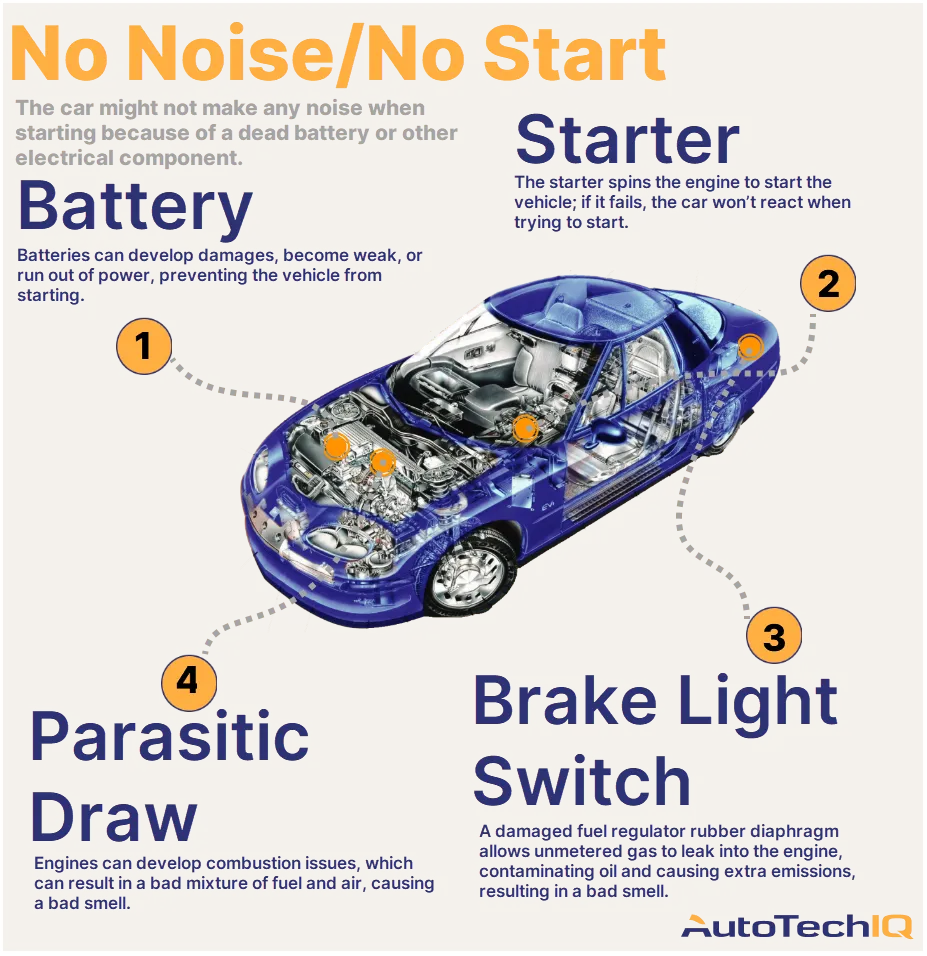
The battery is the first thing to check. A dead or weak battery can power the lights but not the starter. Over time, batteries lose their charge. Cold weather also drains battery power. A battery test can show if it needs replacement.
Faulty Starter Motor
The starter motor helps the engine turn on. If it fails, the engine won’t start. You may hear a clicking sound when you try to start. The starter motor can wear out or get damaged. Replacing it usually solves the problem.
Ignition Switch Problems
The ignition switch sends power to the starter and other parts. A bad switch may let the lights turn on but stop the engine from starting. Signs include no sound when turning the key. Fixing or replacing the switch can restore normal function.
Fuel Delivery Issues
The engine needs fuel to start and run. Problems with the fuel pump or clogged fuel filter block fuel flow. The engine may crank but not start. Checking the fuel system helps find leaks or blockages. Repairing these parts can get your car running again.

Credit: www.wikihow.com
Battery Checks And Solutions
Battery issues often cause the problem of car lights turning on but the engine not starting. Checking the battery is a key step. It helps you find if the battery is the real issue or if something else is wrong. Simple tests and solutions can save time and money.
Testing Battery Voltage
Use a multimeter to check the battery voltage. A healthy battery usually shows about 12.6 volts or more. If the voltage is below 12 volts, the battery may be weak or dead. Testing voltage is quick and helps decide the next step.
Jump-starting Your Car
Jump-starting can bring a dead battery back to life temporarily. Connect jumper cables from another car’s battery to yours. Start the working car first, then try starting your car. This method can help you start the engine and drive to a mechanic.
Replacing An Old Battery
Car batteries last about 3 to 5 years. Old batteries lose their ability to hold charge. If the battery is very old or damaged, replacement is the best choice. A new battery ensures reliable starts and avoids future troubles.
Starter Motor Troubleshooting
The starter motor plays a key role in starting your car’s engine. It uses power from the battery to turn the engine over. When the car lights turn on but the engine won’t start, the starter motor could be the issue. Understanding how to check the starter can save time and money.
Starter motor problems often cause a clicking sound or no sound at all. Knowing the signs can help you decide if you need repairs or replacement. Some quick fixes might work temporarily, but a proper check is important.
Signs Of A Bad Starter
The starter may fail slowly. You might hear a clicking noise when turning the key. The engine might turn over very slowly or not at all. Sometimes, the car makes a grinding sound. Dim or flickering dashboard lights can also indicate starter issues.
Tapping The Starter For Temporary Fix
Tapping the starter gently with a tool can help. This action can free stuck parts inside the starter. It may allow the car to start one or two times. This is only a short-term solution. Use it carefully and avoid hard hits.
When To Replace The Starter
Replace the starter if tapping does not help. If the starter makes loud noises or the engine won’t start after several tries, it needs replacement. A worn starter wastes battery power and can leave you stranded. Getting a new starter ensures reliable engine starts.
Fuel System Quick Checks
Fuel system problems often stop cars from starting. The lights may turn on, but the engine won’t fire up. Quick checks on the fuel system can save time and help find the issue fast. These checks are simple and can point to common fuel system faults.
Start with easy steps before calling a mechanic. This guide covers three important areas in the fuel system. Each can cause your car to fail starting even if the lights work.
Checking Fuel Levels
First, check the fuel gauge. Sometimes the tank is empty or very low. A low fuel level means no gas reaches the engine. This is the simplest cause of a no-start problem. Fill the tank if needed and try starting the car again.
Fuel Pump And Relay Tests
The fuel pump moves gas from the tank to the engine. A bad pump stops the flow. You can hear a faint humming sound near the fuel tank when the key turns on. No sound may mean a pump or relay issue. Testing the relay involves swapping it with a similar one in the fuse box. If the car starts after swapping, the relay is the problem.
Clogged Fuel Filter Symptoms
The fuel filter cleans dirt from the gas. Over time, it gets clogged and blocks fuel flow. A clogged filter causes rough engine starts or no start at all. Other signs include poor engine power and stalling. Replacing the filter can restore fuel flow and fix starting issues.
Ignition System Tips
The ignition system plays a key role when your car lights turn on but the engine won’t start. It controls the power flow to the engine, allowing it to start and run. Checking the ignition system can help find common issues quickly. This section offers simple tips to inspect important parts of this system.
Inspecting The Ignition Switch
The ignition switch sends the signal to start your car. A faulty switch can stop the engine from turning on. Check if the key turns smoothly in the ignition. Listen for any unusual sounds like clicks or grinding. Test the switch by turning it to the “on” position and checking if dashboard lights come on properly. If the switch feels loose or stiff, it might need repair or replacement.
Key And Immobilizer Issues
Your car key has a small chip that works with the immobilizer system. This system stops the engine from starting without the right key. A damaged or unprogrammed key can cause starting problems. Try using a spare key if you have one. Check the battery in your key fob. Sometimes, the immobilizer light on the dashboard blinks or stays on, signaling a problem. Visit a locksmith or dealer for key reprogramming if needed.
Electrical Connections To Check
Loose or corroded electrical wires can block the ignition signal. Check the battery terminals for corrosion or dirt. Make sure all wires connected to the ignition switch and starter are tight and clean. Look for broken or damaged wires near the steering column. Use a flashlight to see hidden connections. Fix any loose connections with proper tools or ask a mechanic for help.
Credit: www.autotechiq.com
Additional Electrical Issues
Sometimes, car lights turn on but the engine won’t start due to hidden electrical problems. These issues can stop your car from starting even if the battery seems fine. Electrical faults affect how power moves through the car’s systems. Knowing what to check can save time and money.
Blown Fuses And Relays
Fuses protect your car’s electrical parts. A blown fuse can stop the starter or fuel pump from working. Relays act like switches for big electrical parts. If a relay fails, the engine may not get power. Checking fuses and relays is a quick way to find hidden problems.
Wiring And Connection Problems
Loose or damaged wires can break the power flow. Corrosion on battery terminals or connectors can block electricity. Worn wiring may cause short circuits or no connection at all. Inspecting and fixing wires often restores the car’s ability to start.
Dashboard Warning Lights
Warning lights on the dashboard show electrical faults. A check engine light or battery symbol signals trouble. Ignoring these lights can lead to bigger problems. Use a scanner to read error codes and identify the exact issue fast.
When To Call A Mechanic
Knowing when to call a mechanic saves time and prevents further damage. Some car problems need expert tools and knowledge. Trying to fix complex issues alone can be risky. Recognizing signs that require professional help keeps you safe and your car reliable.
Complex Electrical Failures
Modern cars have many electrical parts. Wiring issues or faulty sensors cause starting problems. These problems need special tools to diagnose correctly. A mechanic can find hidden faults in the system. Avoid guessing or trying quick fixes for electrical faults.
Persistent Starting Problems
Cars that start poorly over time need professional attention. Repeated failures often point to deeper issues. Problems with the starter motor or ignition switch require repair. Mechanics can test parts and replace broken components. Leaving these problems can lead to a complete breakdown.
Safety Considerations
Car won’t start, but lights work? This can signal electrical shorts or battery drain. Faulty wiring may cause fire hazards or sudden power loss. Mechanics ensure repairs meet safety standards. Protect yourself and others by calling a professional early.
Frequently Asked Questions
Why Do Car Lights Turn On But Engine Won’t Start?
Car lights turning on show the battery has power. The engine not starting can mean a problem with the starter or fuel system.
Can A Dead Battery Cause Lights But No Start?
A weak battery might power lights but not the starter motor. It may need charging or replacement to start the car.
What Role Does The Starter Motor Play In This Issue?
The starter motor turns the engine over to start it. If it fails, lights may work but the engine won’t crank.
How Can A Faulty Ignition Switch Affect Starting?
A bad ignition switch can send power to lights but not to the starter. This stops the engine from starting.
Could A Blown Fuse Cause Lights On But No Start?
Yes, a blown fuse in the starting circuit can allow lights but stop the engine from starting.
Is A Bad Fuel Pump A Reason For This Problem?
The fuel pump delivers fuel to the engine. If it fails, the engine won’t start even if lights work.
How Does A Security System Block Engine Start?
Some security systems disable the starter to prevent theft. Lights may turn on, but the engine won’t start.
Can Bad Spark Plugs Cause Lights On But No Start?
Faulty spark plugs stop the engine from igniting fuel. Lights can work, but the car won’t start running.
What Should I Check First If Car Won’t Start But Lights Work?
Start by testing the battery and starter motor. Next, check fuses, ignition switch, and fuel delivery.
When Should I Call A Mechanic For This Issue?
Call a mechanic if basic checks don’t fix it. Professional help is needed for complex electrical or engine problems.
Conclusion
Car lights turning on but the engine won’t start can feel frustrating. This issue often points to battery, starter, or fuel problems. Checking these parts first saves time and money. Regular car maintenance helps avoid such troubles. Stay calm and take small steps to diagnose the problem.
If unsure, ask a mechanic for help. Understanding the basics keeps your car running smoothly and safely. Keep your vehicle cared for to enjoy worry-free drives every day.
As an Amazon Associate, I earn from qualifying purchases