Has your car ever refused to start unless you use a jump? It’s frustrating, inconvenient, and can leave you stranded when you least expect it.
You might wonder why this keeps happening and what you can do to fix it for good. You’ll discover the common reasons behind this problem and simple steps you can take to get your car running smoothly again. Keep reading—your next drive could depend on it.
Common Causes Of No Start
Car won’t start without a jump? Several common issues cause this problem. These issues stop your car from starting normally. Understanding these causes helps you find the right fix fast.
Dead Or Weak Battery
A dead or weak battery is the most common cause. Batteries lose power over time or after cold weather. Without enough power, the car cannot start. Jump-starting gives the battery a quick boost.
Faulty Starter Motor
The starter motor turns the engine on. If it fails, the engine won’t crank. You may hear a clicking sound or no noise at all. A faulty starter needs repair or replacement.
Ignition Switch Issues
The ignition switch sends power to start the car. When it breaks, the car won’t start or respond to the key. Signs include no dashboard lights or no sound when turning the key.
Fuel Delivery Problems
Fuel must reach the engine to start the car. Clogged fuel filters or bad fuel pumps block this flow. The engine may crank but fail to start or stall soon after.
Credit: www.rmi.org.za
Quick Battery Checks
Quick battery checks can save time and frustration when your car won’t start without a jump. These simple steps help find common battery problems fast. Anyone can do them with basic tools.
Start with a visual inspection. Then test the battery voltage. Finish by cleaning any corroded connections. This routine keeps your battery in good shape and may prevent jump starts.
Inspecting Battery Terminals
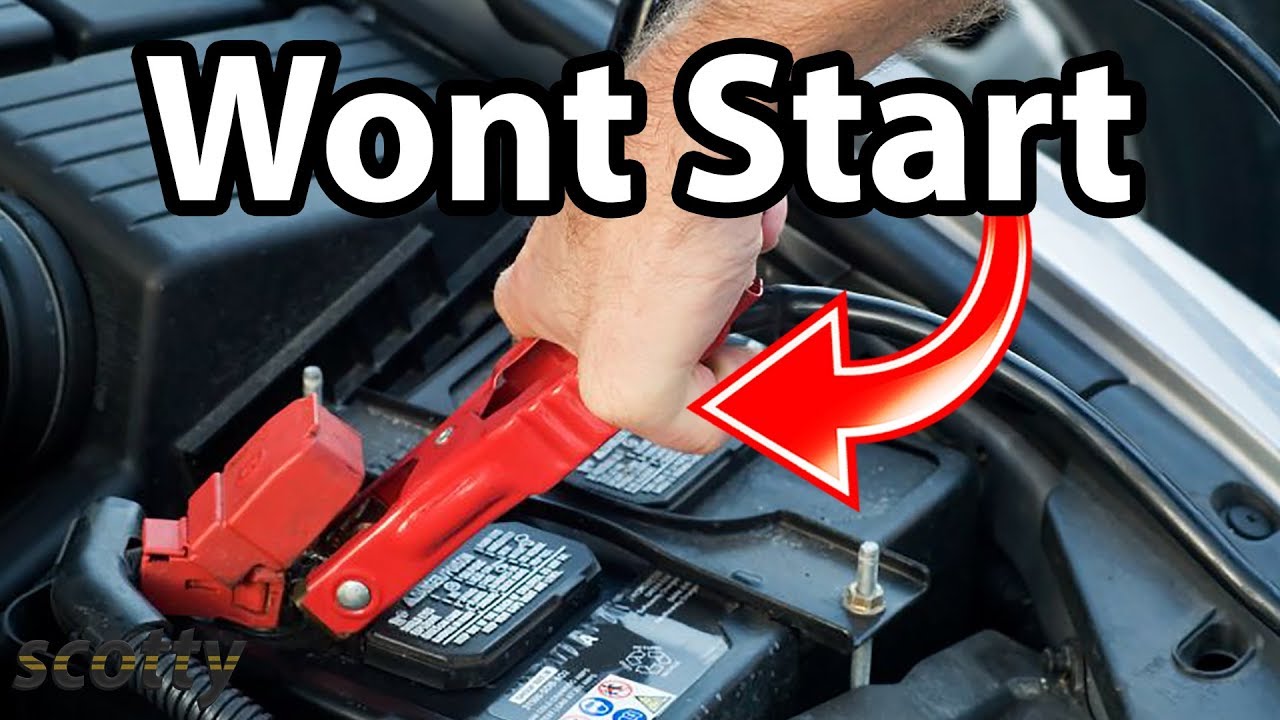
Look at the battery terminals closely. Check for dirt, rust, or corrosion. Loose terminals cause poor contact. Tighten the connections if they feel loose. Clean off any white or green buildup. This simple step improves power flow to the car.
Testing Battery Voltage
Use a multimeter to test battery voltage. A fully charged battery reads around 12.6 volts. Anything below 12.4 volts means a weak battery. Test again after charging the battery. Replace the battery if it won’t hold a charge.
Cleaning Corroded Connections
Corrosion blocks electricity from flowing properly. Mix baking soda with water to make a cleaning paste. Apply the paste to the terminals and scrub gently with a brush. Rinse with water and dry completely. This restores good contact and helps start the car easily.
Jump-starting Tips
Jump-starting a car can be simple with the right tips. Knowing how to do it safely helps protect you and your vehicle. Follow these steps to jump-start your car without trouble.
Choosing The Right Jumper Cables
Pick jumper cables that are thick and long enough. Look for cables with copper clamps for better power flow. Avoid cables with worn or damaged insulation. Thicker cables carry more current and work faster. Keep cables stored in your car for emergencies.
Safe Jump-starting Steps
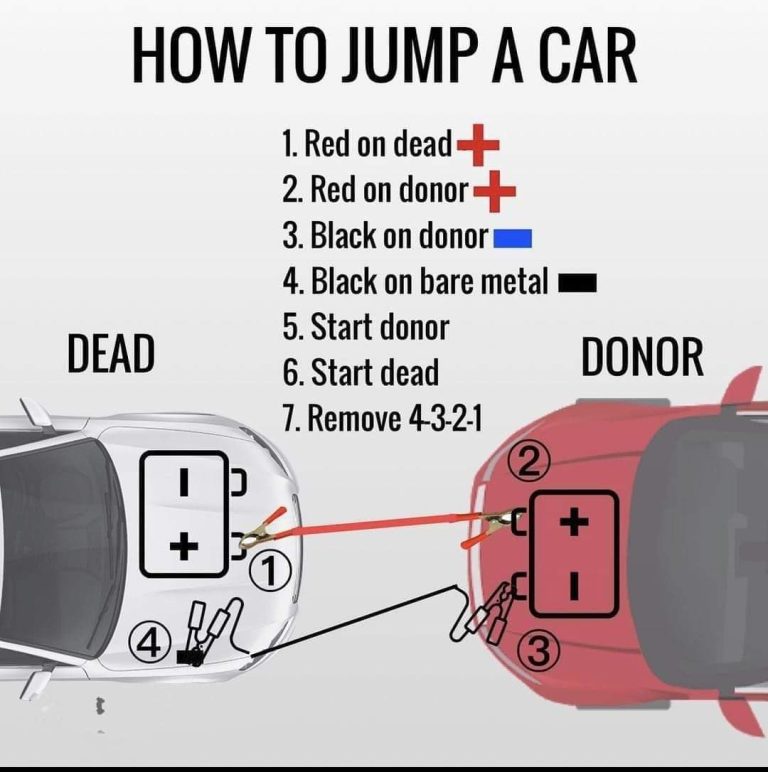
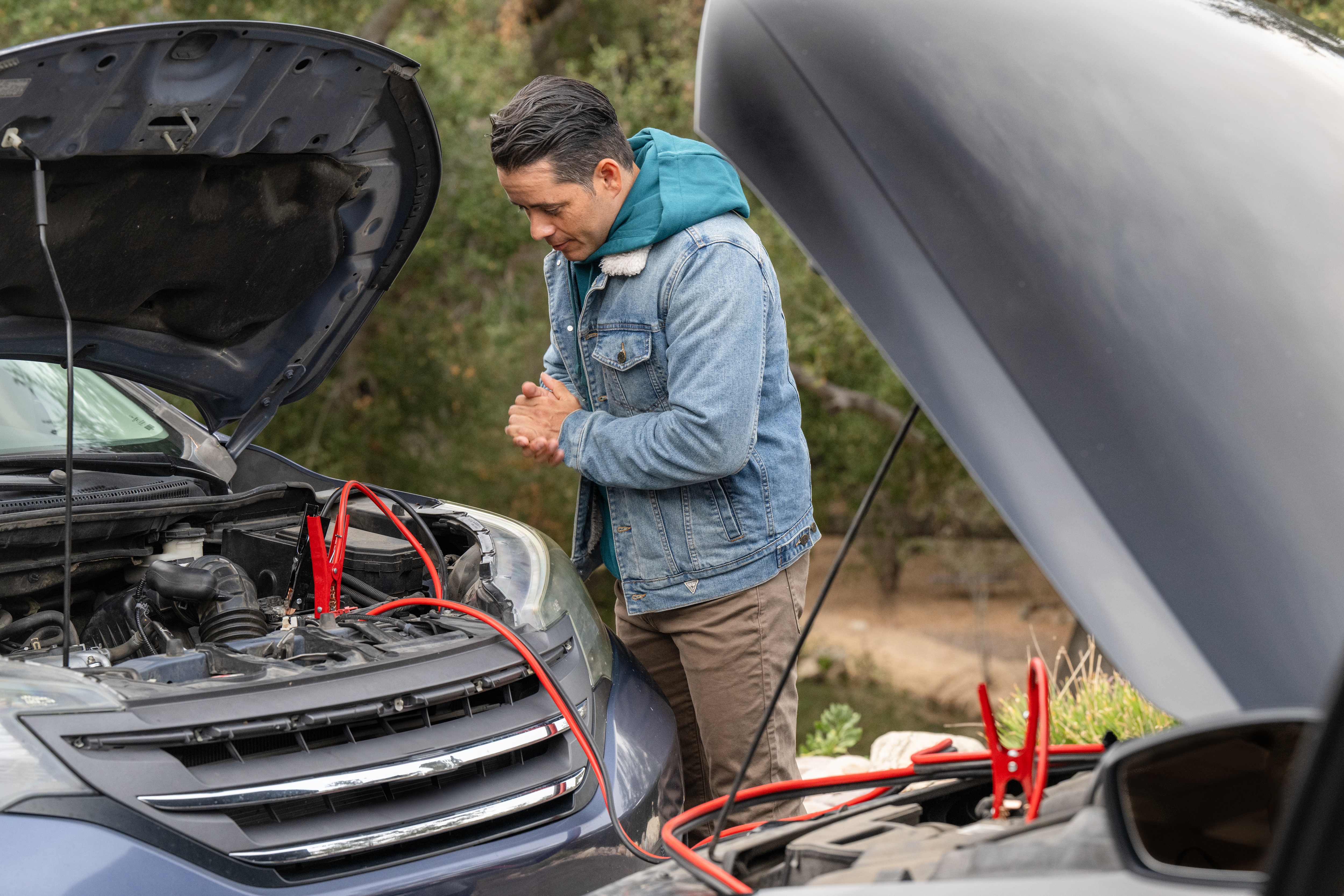
First, park the working car close to the dead car. Turn off both engines and remove keys. Attach red clamp to the dead battery’s positive (+) terminal. Connect the other red clamp to the good battery’s positive (+) terminal. Attach black clamp to the good battery’s negative (–) terminal. Connect the last black clamp to a metal part of the dead car’s engine, away from the battery. Start the working car and run it for a few minutes. Try to start the dead car. Remove clamps in reverse order after the car starts.
After Jump-start Care
Keep the engine running for 15 to 20 minutes. This helps recharge the battery. Avoid turning off the car immediately. Check the battery and cables for damage. If the car won’t start again, the battery or alternator may need help. Visit a mechanic for a full check-up.
Credit: www.youtube.com
Temporary Fixes Without A Jump
Car won’t start without a jump? No need to panic. Some quick fixes can help you get going without a jump start. These temporary methods might save time and stress. They are simple and do not need special tools. Try these steps before calling for help or a tow.
Tapping The Starter Motor
The starter motor can sometimes get stuck. A gentle tap may free it up. Use a small hammer or a wrench. Tap lightly on the starter motor’s side. This can help the motor engage and start the engine. Be careful not to hit too hard. This fix works if the motor is stuck but not broken.
Using A Portable Battery Pack
A portable battery pack offers power without another car. These packs are easy to carry and use. Connect the pack’s clamps to your battery terminals. Red clamp to positive, black clamp to negative. Turn on the pack to send power to the battery. Try starting the car after a few minutes. This method works well if the battery is weak, not dead.
Checking For Loose Wiring
Loose wires can stop the car from starting. Look under the hood and near the battery. Check all cable connections and terminals. Tighten any loose wires using a wrench or pliers. Clean any corrosion you see on the terminals. Loose or dirty connections can block electricity flow. Fixing wiring issues often restores power to start the car.
When To Seek Professional Help
Knowing when to seek professional help is important if your car won’t start without a jump. Some problems need expert care to avoid bigger issues. A mechanic can diagnose and fix the root cause safely.
Trying to fix complex car problems without experience can cause more damage. A professional can save time and money by spotting hidden faults early.
Persistent Starting Problems
If your car needs a jump every time, the issue may be deeper. Constant jump-starting means the battery or charging system is not working properly. This problem often points to a failing alternator or bad connections. Mechanics can check these parts and suggest the right fix.
Electrical System Diagnostics
Electrical problems can be tricky and hard to find. A mechanic uses special tools to test the battery, starter, and wiring. They can find faults that are not visible to the eye. Proper diagnosis helps avoid repeated starting failures and keeps your car reliable.
Battery Replacement Advice
Sometimes the battery is old or damaged beyond repair. A professional can test the battery’s health and recommend replacement if needed. They ensure the new battery fits your car and is installed correctly. This prevents future starting issues and gives your car a fresh start.
Credit: www.autozone.com
Frequently Asked Questions
Why Won’t My Car Start Without A Jump?
A dead or weak battery often causes this problem. The car needs enough power to start the engine.
Can A Bad Battery Cause No Start Without Jump?
Yes, a bad battery can’t hold enough charge. It fails to provide the power needed to start.
How Does A Jump Start Help A Car Start?
Jump start gives extra power from another battery. This helps the car’s engine turn over and start.
Could A Faulty Alternator Cause No Start Without Jump?
Yes, a bad alternator can’t recharge the battery. This leads to a dead battery and no start.
Is A Loose Battery Cable A Reason To Jump Start?
Yes, loose or corroded cables can stop power flow. Tightening or cleaning cables often fixes the issue.
Can Cold Weather Make My Car Need A Jump?
Cold weather drains battery power fast. This makes it harder for the car to start without help.
How Long Can A Car Battery Last Without Jump?
A good battery lasts 3-5 years. But if it’s old or weak, it may need a jump often.
Should I Replace My Battery If It Needs Frequent Jumps?
Frequent jumps mean the battery may be failing. Replacing it can save time and avoid starting problems.
Can A Jump Start Damage My Car’s Electrical System?
Jump starts are safe if done right. Wrong connections or too much power can cause damage.
What Can I Do To Avoid Needing A Jump Start?
Keep battery terminals clean and tight. Drive the car regularly to keep the battery charged.
Conclusion
A car that won’t start without a jump needs attention. Check the battery first. It may be weak or old. Clean the battery terminals for better contact. Sometimes, the problem lies in the starter or alternator. Regular maintenance helps avoid sudden battery failure.
Keep jumper cables in your car for emergencies. Knowing basic jump-start steps can save time and stress. Stay prepared to keep your car running smoothly. Don’t ignore early signs of battery trouble. A small fix now prevents bigger problems later.
As an Amazon Associate, I earn from qualifying purchases