If you own a Nissan Altima, you might be wondering about its catalytic converters. Knowing how many catalytic converters your car has can help you understand its emissions system better.
It can also save you money when it’s time for repairs or replacements. You’ll discover exactly how many catalytic converters are in a Nissan Altima and why that number matters to you. Keep reading to get the clear answers you need for your car’s health and your peace of mind.
Catalytic Converter Basics
The catalytic converter is a key part of a Nissan Altima’s exhaust system. It helps reduce harmful gases from the engine. This part keeps the car cleaner and safer for the environment.
Understanding the basics of catalytic converters can help you take better care of your vehicle. It also explains why this part is important for your car’s performance and emissions.
Purpose And Function
A catalytic converter changes harmful gases into less harmful ones. It uses a chemical reaction to clean the exhaust. This reaction reduces pollutants like carbon monoxide and nitrogen oxides.
The converter works as the exhaust gases pass through it. Inside, special metals like platinum and palladium help the reaction. This makes the car meet emission rules and run cleaner.
Types Of Catalytic Converters
There are mainly two types of catalytic converters. The first type is called two-way converters. They reduce carbon monoxide and hydrocarbons. The second type is three-way converters. They also reduce nitrogen oxides.
Nissan Altima models typically use three-way catalytic converters. These handle more pollutants and improve emission control. The design may vary based on the engine and model year.

Credit: www.youtube.com
Catalytic Converters In Nissan Altima
The Nissan Altima uses catalytic converters to reduce harmful gases from the engine. These parts clean exhaust fumes before they leave the car. Catalytic converters help protect the environment and keep the car running well. The number of catalytic converters in a Nissan Altima changes based on the model year and engine type.
Knowing how many catalytic converters your Altima has helps with maintenance and repairs. It also helps you understand how your car meets emission standards.
Model Year Variations
Older Nissan Altima models usually have one catalytic converter. Newer models often have two converters. This change helps meet stricter emission rules. Some models from the early 2000s have a single converter placed after the engine. Models from 2013 and later often have one converter before and one after the engine’s exhaust manifold. This setup cleans gases better and reduces pollution more effectively.
Engine Type Impact
The engine type in your Altima affects how many catalytic converters it uses. Four-cylinder engines typically have one or two converters. V6 engines usually have two or more catalytic converters. This is because V6 engines produce more exhaust gases. More converters help reduce these gases better. Hybrid Altima models may have a different setup to balance engine power and emissions.
Number Of Converters By Altima Generation
The number of catalytic converters in a Nissan Altima varies by generation. Each model year may have different emission standards and engine designs. This affects how many converters are installed. Understanding these differences helps with maintenance and repairs.
First To Third Generation
Early Nissan Altimas usually have one catalytic converter. These models run smaller engines with simpler exhaust systems. The single converter handles all the emissions. This design keeps costs low and repairs simple.
Fourth Generation
Fourth-generation Altimas often have two catalytic converters. These models use more advanced engines and stricter emissions rules. One converter sits close to the engine, the other further down the exhaust. This setup improves pollution control and engine efficiency.
Fifth Generation And Beyond
Recent Altimas usually feature two catalytic converters. Some high-performance versions may have more. Newer models focus on reducing harmful gases even more. Dual converters help meet strict environmental standards worldwide.

Credit: www.carparts.com
Signs Of A Failing Catalytic Converter
The catalytic converter is an important part of your Nissan Altima’s exhaust system. It helps reduce harmful gases from your car’s engine. Over time, this part can wear out or get damaged. Knowing the signs of a failing catalytic converter can save you from costly repairs. It also keeps your car running smoothly and cleanly.
Performance Issues
A failing catalytic converter can cause your car to lose power. You may notice slow acceleration or rough idling. Sometimes, the engine may hesitate or stall. These problems happen because the exhaust flow gets blocked. This makes it hard for the engine to breathe properly.
Emissions Problems
One clear sign of trouble is increased emissions. Your car might produce more smoke or a strong smell. This happens because the converter cannot clean the exhaust gases well. Your Nissan Altima may also fail emission tests. This can lead to fines or restrictions on driving.
Warning Lights
The check engine light often comes on if the catalytic converter is bad. The car’s computer detects poor performance from this part. It then triggers the warning light on your dashboard. Ignoring this light can cause more damage and higher repair costs.
Replacement And Maintenance Tips
Understanding how to replace and maintain the catalytic converters in your Nissan Altima helps keep your car running clean and efficient. Proper care avoids costly repairs and keeps emissions low. This section covers key tips on replacement timing, costs, and preventive care.
When To Replace
Signs of a failing catalytic converter include poor engine performance and a check engine light. Strange smells or loud exhaust noises also hint at problems. Replacement is needed if the converter clogs or gets damaged. Regular inspections help spot issues early before serious damage occurs.
Cost Considerations
Replacing a catalytic converter can vary in price depending on the model and labor. Original equipment parts tend to cost more than aftermarket options. Labor costs depend on the mechanic’s rates and the difficulty of the job. Budget for both parts and installation to avoid surprises.
Preventive Care
Keep your catalytic converters healthy by using high-quality fuel and changing the oil on time. Avoid driving through deep water that can damage the converter. Regular engine tune-ups prevent unburned fuel from harming the converter. Small steps help extend the life of these important parts.
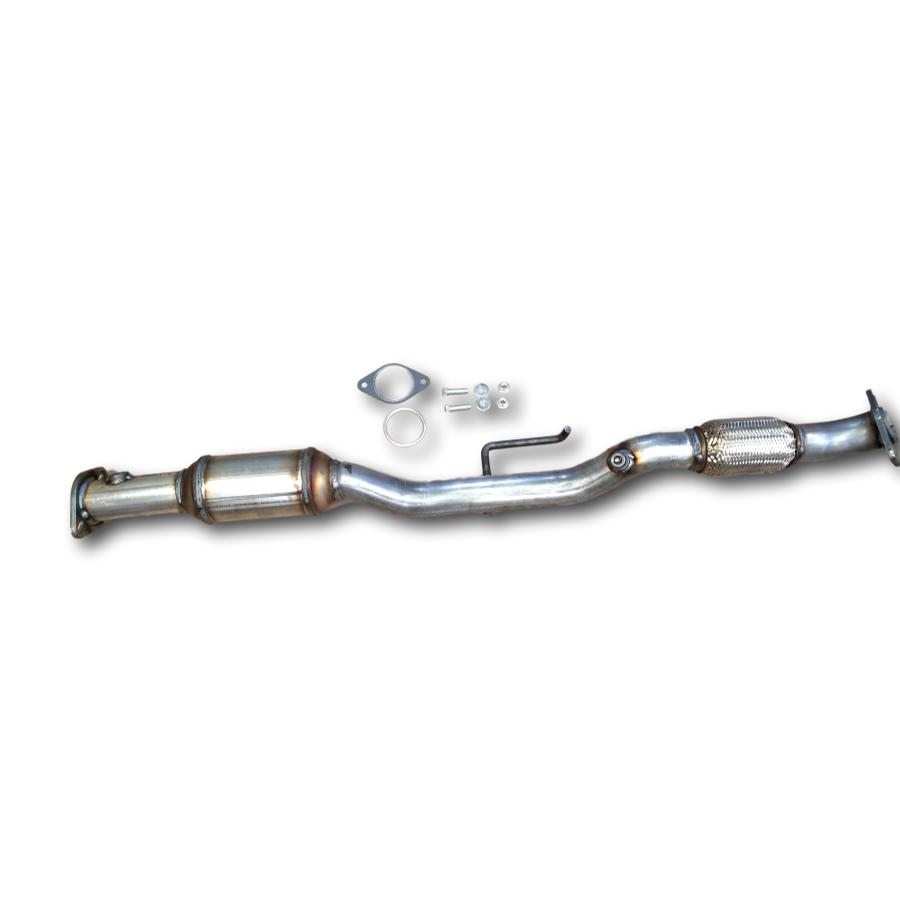
Credit: mufflerexpress.com
Legal And Environmental Aspects
The legal and environmental aspects of catalytic converters in a Nissan Altima are important. These parts help reduce harmful gases from the car’s exhaust. Laws protect these converters to keep the air clean and safe for everyone. Understanding these rules helps car owners stay legal and protect the environment.
Emission Standards
Emission standards set limits on the amount of pollution a car can release. Nissan Altimas must meet these rules to be sold and driven. Catalytic converters play a key role in meeting these standards. They convert harmful gases into less harmful ones. Without these converters, cars release dangerous pollution into the air. The standards vary by country and region. They become stricter over time to improve air quality.
Regulations On Converter Removal
Removing a catalytic converter from a Nissan Altima is illegal in many places. Laws prevent tampering with emission control devices. Removing converters increases pollution and breaks emission rules. Car owners can face fines or penalties for removal. Mechanics and shops also risk legal trouble. These regulations protect the environment and public health. Keeping the catalytic converter intact helps reduce smog and toxic gases.
Frequently Asked Questions
How Many Catalytic Converters Does A Nissan Altima Have?
A Nissan Altima typically has one or two catalytic converters depending on the engine type and model year.
Why Does My Nissan Altima Need Catalytic Converters?
Catalytic converters reduce harmful emissions and help the car meet pollution rules.
Where Is The Catalytic Converter Located In A Nissan Altima?
It is usually found under the car, between the engine and the muffler.
Can A Nissan Altima Run With A Faulty Catalytic Converter?
Yes, but the car may lose power and fail emissions tests.
How To Know If The Catalytic Converter In Nissan Altima Is Bad?
Look for poor engine performance, strange smells, or a check engine light.
Is It Expensive To Replace A Nissan Altima Catalytic Converter?
Replacement costs vary but can be moderate to high due to parts and labor.
Conclusion
A Nissan Altima usually has one or two catalytic converters. This depends on the engine type and model year. The converter helps reduce harmful gases from the car. Knowing the number helps with repairs or replacements. It also aids in maintaining your vehicle’s performance.
Keep your catalytic converter in good shape for cleaner air. Regular checks can save you money and trouble. Understanding this part makes car care easier and safer.
As an Amazon Associate, I earn from qualifying purchases