Have you ever wondered where your Nissan Versa is actually made? Knowing the origin of your car can give you a better sense of its quality and reliability.
Whether you’re considering buying a Versa or just curious about its background, understanding where this popular model is built will help you make smarter choices. Keep reading, and you’ll discover the key locations behind the Nissan Versa’s production and why it matters to you.
Nissan Versa Production Sites
The Nissan Versa is a popular compact car known for its affordability and efficiency. Many people wonder where this car is made. Nissan produces the Versa in several locations worldwide. These sites focus on quality and precision to meet customer expectations.
Each production site follows strict manufacturing standards. This ensures the same reliable experience no matter where the car is built. Understanding these sites helps buyers appreciate the care behind their vehicle.
Mexico Production Plant
The main Nissan Versa production plant is in Aguascalientes, Mexico. This plant builds most of the Versas sold in North America. It uses advanced technology and skilled workers. The facility produces cars efficiently and maintains high quality.
China Manufacturing Facility
Nissan also manufactures the Versa in China. This plant supplies vehicles for the Asian market. It adapts the car to local preferences and regulations. The plant plays a key role in meeting demand in the region.
Besides Mexico and China, Nissan assembles the Versa in other countries too. Some versions are built in places like India and Thailand. These sites help Nissan serve regional markets better. The company ensures all locations meet strict quality checks.
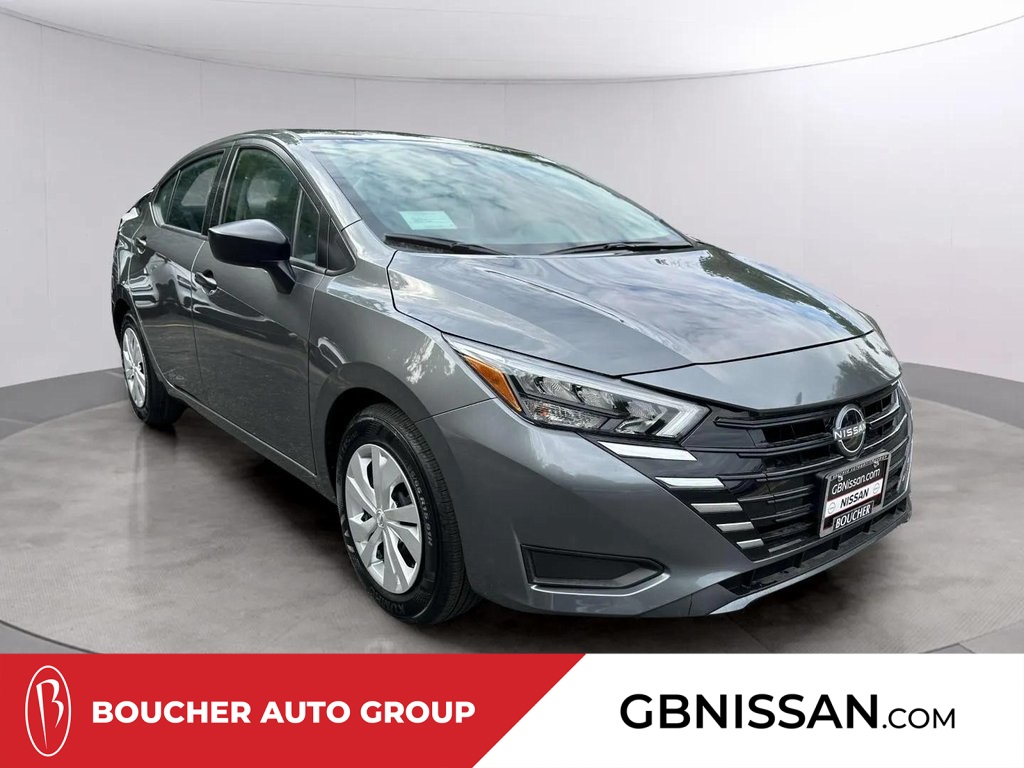
Credit: www.bouchernissangreenfield.com
Manufacturing In Mexico
Nissan produces many of its Versa models in Mexico. The country plays a key role in Nissan’s manufacturing process. Mexico offers skilled workers and modern factories. This helps Nissan keep production efficient and affordable.
The manufacturing in Mexico supports demand across North America. The location allows quick delivery to the United States and Canada. It also helps Nissan maintain competitive prices for buyers.
Aguascalientes Plant
The Aguascalientes plant is one of Nissan’s main factories in Mexico. It builds many Nissan vehicles, including the Versa. The plant uses advanced technology and quality checks. Workers follow strict standards to ensure each car is reliable.
The factory also focuses on safety and environmental care. It creates many jobs for the local community. This plant plays a big role in Nissan’s success in North America.
Impact On North American Market
Manufacturing the Versa in Mexico affects the North American market positively. It lowers production costs, which helps keep prices low for customers. This makes the Versa more affordable for many buyers.
Building cars close to the U.S. improves delivery times and availability. Dealers can stock more vehicles and meet customer demand faster. It also helps Nissan respond quickly to market changes and trends.
Assembly In The United States
The Nissan Versa is a popular car in the United States, known for its affordability and reliability. Many people wonder where this vehicle is assembled, especially within the U.S. The assembly of Nissan Versas in the United States plays a key role in meeting local demand and maintaining quality standards.
Building cars domestically helps Nissan reduce shipping costs and deliver vehicles faster. It also supports American jobs and strengthens the local economy. The assembly process in the U.S. combines skilled labor with advanced technology to produce Versas that meet customer expectations.
Smyrna Factory Role
The Smyrna factory in Tennessee is a major site for Nissan Versa assembly. This plant has been producing Versas for many years. It handles various stages of the build, from welding to final inspections. The factory employs thousands of skilled workers who focus on quality and efficiency.
Smyrna is one of Nissan’s largest plants in North America. It produces multiple models, including the Versa. The factory uses a well-organized production line to keep the process smooth. This ensures that each car meets Nissan’s strict standards.
Technological Advances
Nissan uses advanced technology in its U.S. assembly plants to improve vehicle quality. Robots assist with tasks like welding and painting. This automation helps reduce errors and speeds up production.
Smart systems monitor each step of the assembly process. They detect issues early to prevent defects. Technology also supports worker safety and comfort at the plant.
These advances help Nissan build Versas that are reliable and safe. They also allow the company to adapt quickly to new designs and regulations. The use of technology in U.S. assembly plants shows Nissan’s commitment to quality and innovation.
Production In China
Nissan produces the Versa in several countries, including China. The Chinese market is important for Nissan’s global sales. Producing cars locally helps Nissan meet demand and control costs. The company works closely with local partners to build vehicles that suit Chinese drivers. This strategy strengthens Nissan’s position in China’s competitive car market.
Local Partnerships
Nissan collaborates with Dongfeng Motor Corporation in China. This joint venture allows Nissan to share resources and technology. Local partnerships help navigate China’s regulations and market needs. Dongfeng’s experience complements Nissan’s design and engineering skills. Together, they produce Versas that meet local standards and preferences.
Market Adaptations
Nissan adjusts the Versa to fit Chinese customers’ tastes. The car’s features and design reflect local preferences. For example, interior space and technology options are customized. These adaptations make the Versa more attractive to buyers. Nissan also ensures the car meets China’s safety and emission rules. This careful tuning helps the Versa sell well in China.
Other Global Assembly Locations
Nissan Versa is produced in several places around the world. These other global assembly locations help Nissan meet demand in different markets. Each site follows strict quality standards to ensure the same reliable vehicle everywhere.
Thailand Factory
Nissan has a factory in Thailand that assembles the Versa. This plant serves many countries in Southeast Asia. The factory uses modern tools and techniques to build each car. It helps keep costs lower and delivery times fast in the region. Many local workers contribute to the assembly process. This site plays a key role in Nissan’s global production network.
India Operations
India is another important location for Nissan Versa production. The company operates a plant that assembles vehicles for the Indian market and nearby countries. The Indian factory focuses on efficiency and meeting local regulations. It supports job creation and helps Nissan expand its presence in South Asia. The cars made here undergo strict checks to ensure high quality and safety standards.

Credit: www.ancira.com
Quality Control Across Plants
Nissan ensures high quality in every Versa car, no matter where it is made. Quality control is a key part of their process. Each plant follows strict rules to keep standards high. This helps Nissan deliver safe and reliable cars worldwide.
Every Nissan Versa undergoes many checks before it leaves the factory. The company uses advanced tools and skilled workers to spot any issues early. This focus on quality helps Nissan maintain a strong reputation.
Standardized Procedures Across All Plants
Nissan uses the same quality rules in all its factories. These rules cover every step, from parts to final assembly. Standardization keeps the quality consistent. It means a Nissan Versa made in one country matches the quality of one made in another.
Skilled Workforce And Training
Every plant hires trained workers who know their job well. Nissan provides regular training to keep skills sharp. Workers learn how to spot and fix problems quickly. This care reduces defects and improves car performance.
Use Of Technology In Quality Checks
Nissan uses modern machines to check every part of the Versa. Robots and sensors help find tiny mistakes humans might miss. Technology speeds up inspections and ensures accuracy. This keeps each car safe and reliable.
Continuous Improvement Practices
Nissan plants regularly review their quality data. They find ways to improve and fix any weak points. This process helps keep the Versa’s quality high year after year. The company always aims to make better cars.
Supply Chain And Logistics
Supply chain and logistics play a key role in making Nissan Versas. These processes ensure parts and materials reach the factories on time. Efficient supply chains help maintain steady production and keep costs low.
Logistics involves moving components from suppliers to assembly plants. It also covers shipping finished cars to dealers worldwide. Strong logistics networks reduce delays and improve customer satisfaction.
Global Sourcing Of Parts
Nissan sources many Versa parts from different countries. Engines, electronics, and body panels often come from specialized suppliers. This mix keeps production flexible and cost-effective.
Manufacturing Locations
Most Nissan Versas are made in Mexico. The Aguascalientes plant handles large volumes. This site uses advanced machines and skilled workers to build the car.
Transportation And Delivery
Finished Versas leave factories by truck or ship. They move to ports or regional distribution centers. From there, dealers receive vehicles quickly for customer sales.
How Production Locations Affect Pricing
Production locations play a big role in the price of a Nissan Versa. Different factories have different costs. These costs affect the final price of the car. Understanding this helps buyers see why prices vary.
Labor costs differ from country to country. Places with lower wages often make cars cheaper. This lowers the overall cost of the Nissan Versa. It helps keep the price affordable for many buyers.
Transportation costs also impact pricing. Cars made far from the market need more shipping. This adds extra fees to the final price. Local production can reduce these shipping expenses.
Material costs vary by region too. Some countries have cheaper parts and supplies. This can lower production costs. It leads to more competitive car prices.
Labor Costs And Their Impact On Pricing
Factories in countries with lower wages reduce Nissan Versa costs. Lower labor expenses help keep prices down. This makes the car more budget-friendly for buyers.
Shipping And Transportation Expenses
Shipping cars from distant locations adds to the price. Extra transport fees increase the final cost. Local production cuts down these expenses.
Material And Supply Chain Differences
Material costs vary based on local suppliers. Cheaper parts lower the total production cost. This helps Nissan offer a better price.
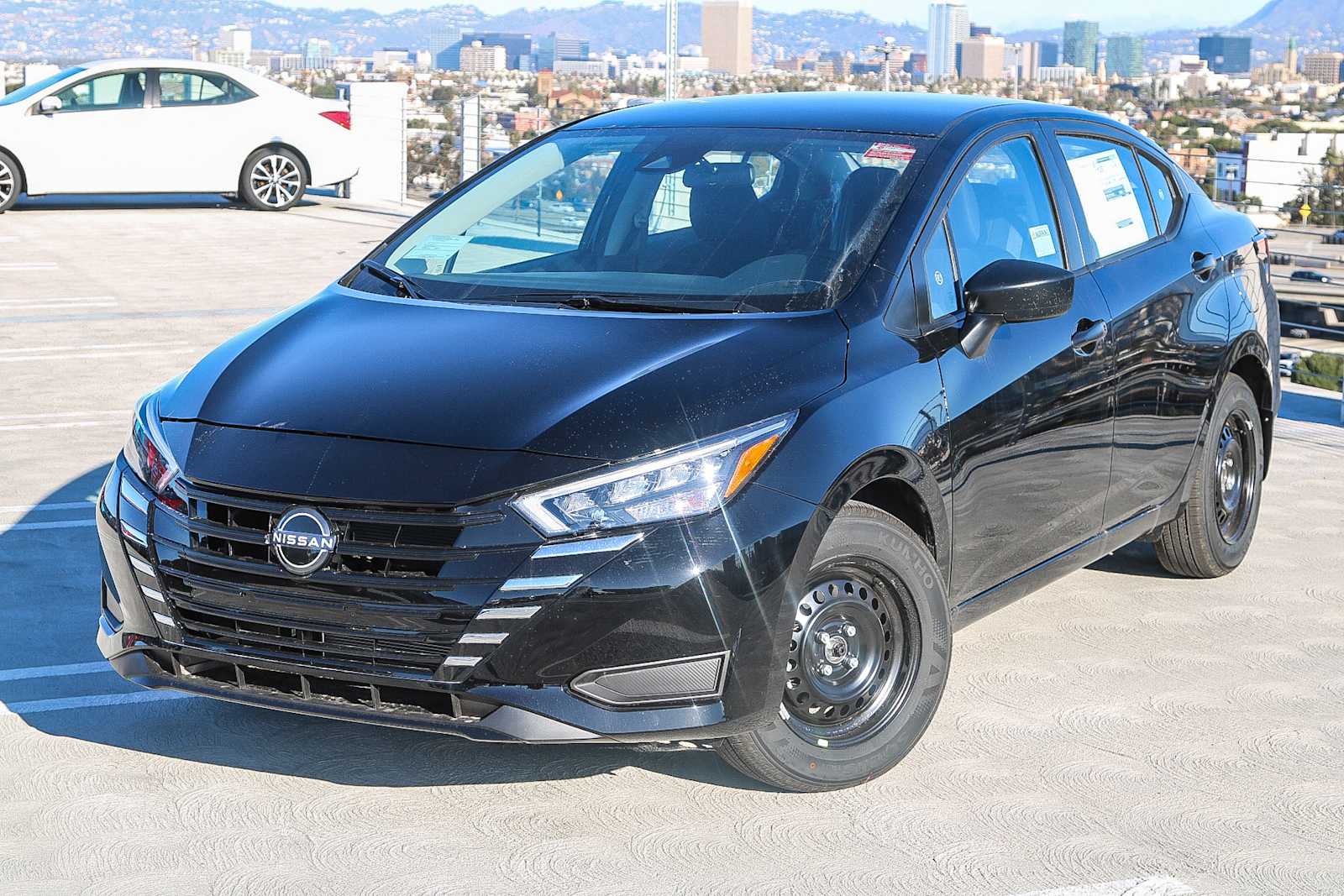
Credit: www.downtownnissan.com
Frequently Asked Questions
Where Is The Nissan Versa Manufactured?
The Nissan Versa is mainly made in Mexico, at the Aguascalientes plant.
Does Nissan Build Versas Outside Mexico?
Yes, Nissan produces some Versa models in the United States as well.
Why Is Nissan Versa Production Located In Mexico?
Mexico offers lower costs and skilled workers for efficient Nissan Versa production.
Are Nissan Versa Parts Sourced Globally?
Yes, Nissan sources parts worldwide to build the Versa efficiently.
How Does Nissan Ensure Quality In Versa Manufacturing?
Nissan uses strict quality checks and modern technology in all Versa plants.
Has Nissan Changed Versa Production Locations Recently?
Nissan shifted some Versa production to Mexico to meet global demand.
Conclusion
Nissan Versas are mostly made in Mexico. This helps keep costs low and quality high. The factories there use modern tools and skilled workers. Many people trust Nissan for reliable cars. Knowing where your car is made can matter. It shows the care behind each vehicle.
Now, you have a clear idea of Nissan Versa’s origin. Choosing one means choosing a car built with attention and care. Simple, reliable, and made with pride.
As an Amazon Associate, I earn from qualifying purchases