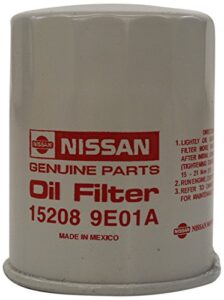
Is your Nissan Altima’s air conditioning not blowing cold air like it used to? You might be dealing with a faulty AC compressor.
This small but powerful part plays a huge role in keeping your car cool and comfortable, especially on hot days. If you want to understand what an AC compressor does, how to spot issues, and how to choose the right replacement, you’re in the right place.
Keep reading to discover everything you need to know to get your Nissan Altima’s AC running smoothly again.
Signs Of A Failing Ac Compressor
The AC compressor is key for your Nissan Altima’s air conditioning. It helps cool the air inside your car. When it starts to fail, you will notice some signs. These signs tell you the compressor needs help or replacement. Acting early can save you from bigger problems and higher costs.
Unusual Noises
Strange sounds are often the first sign of a bad AC compressor. You may hear grinding, squealing, or rattling noises. These noises come from worn parts inside the compressor. Ignoring these sounds can lead to complete compressor failure.
Weak Airflow
Weak airflow from the vents means the compressor is not working well. The compressor pushes refrigerant through the system. If it is weak, the air pressure drops. This causes less cool air to come out of the vents.
Warm Air Output
The AC should blow cold air. Warm or hot air means the compressor is failing. This happens because the compressor cannot circulate refrigerant properly. You will feel no relief from heat during hot days.
Ac Clutch Issues
The AC clutch controls the compressor’s operation. If it does not engage or disengage properly, the compressor will fail. You may notice the clutch is stuck or slipping. This problem stops the compressor from working efficiently.
Choosing The Right Ac Compressor
Choosing the right AC compressor for your Nissan Altima matters a lot. It affects how well your air conditioning works and how long it lasts. Picking the wrong part can cause problems or cost more later. This guide helps you understand important factors before buying a new AC compressor.
Oem Vs Aftermarket Parts
OEM parts come from the car’s original maker. They fit perfectly and work like the first compressor. Aftermarket parts are made by other companies. They may cost less but vary in quality. Some aftermarket compressors work well, but others may fail sooner. Always check reviews and ratings before choosing.
Compatibility With Nissan Altima Models
Not all compressors fit every Altima model. Different years and trims may need specific parts. Check your car’s year, engine type, and model carefully. Using a wrong compressor can cause poor cooling or damage. Make sure the part matches your exact Nissan Altima model for best results.
Price And Warranty Considerations
Price is important but not the only factor. Cheap compressors can save money upfront but may break early. A good warranty protects your investment. Look for parts with at least a one-year warranty. This saves repair costs if the compressor fails soon after purchase.
Tools And Materials Needed
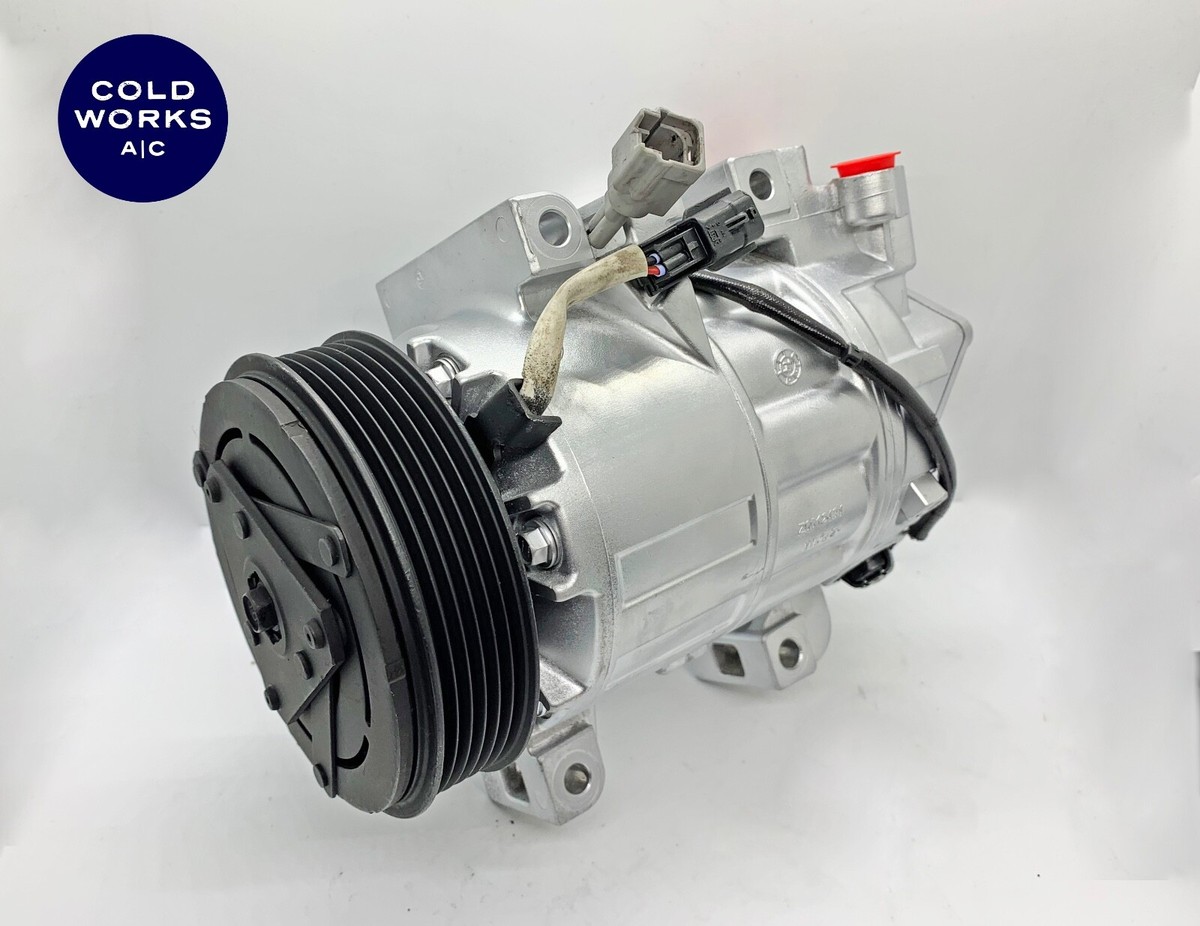
Replacing the AC compressor in a Nissan Altima requires specific tools and materials. Having the right items makes the job easier and safer. This section lists the essential tools needed for a smooth repair process.
Basic Hand Tools
Start with a set of wrenches and sockets. These help remove bolts and fasteners. Screwdrivers are also important for clips and panels. A ratchet and extension can reach tight spots. Don’t forget pliers for gripping and holding parts.
Refrigerant Handling Equipment
Handling refrigerant needs special tools. Use a refrigerant recovery machine to safely remove old gas. A vacuum pump clears air and moisture from the system. Gauges monitor pressure during recharging. Proper equipment prevents leaks and damage.
Safety Gear
Safety is crucial during AC repairs. Wear gloves to protect your hands from chemicals and sharp edges. Safety glasses shield your eyes from debris and refrigerant. A mask helps avoid inhaling harmful fumes. Always work in a well-ventilated area.
Credit: www.ebay.com
Step-by-step Replacement Process
Replacing the AC compressor in a Nissan Altima can restore cool air and improve comfort. The process involves several clear steps. Follow each carefully for a successful repair.
Preparing The Vehicle
Park the car on a flat surface. Turn off the engine and disconnect the battery. Wear safety gloves and eye protection. Locate the AC compressor under the hood. Recover the refrigerant using proper equipment. This step prevents harmful gas release.
Removing The Old Compressor
Remove the serpentine belt from the compressor pulley. Disconnect electrical connectors and refrigerant lines carefully. Unscrew the mounting bolts holding the compressor. Take out the old compressor gently to avoid damage. Keep all bolts and parts for reinstallation.
Installing The New Compressor
Place the new compressor in position. Tighten the mounting bolts securely. Reconnect the refrigerant lines and electrical plugs. Reinstall the serpentine belt on the pulley. Check that everything fits correctly and is tight.
Recharging The Ac System
Vacuum the AC system to remove air and moisture. Recharge with the correct type and amount of refrigerant. Use a gauge to monitor pressure levels. Start the engine and turn on the AC. Check for cold air and any leaks.
Maintenance Tips For Longevity
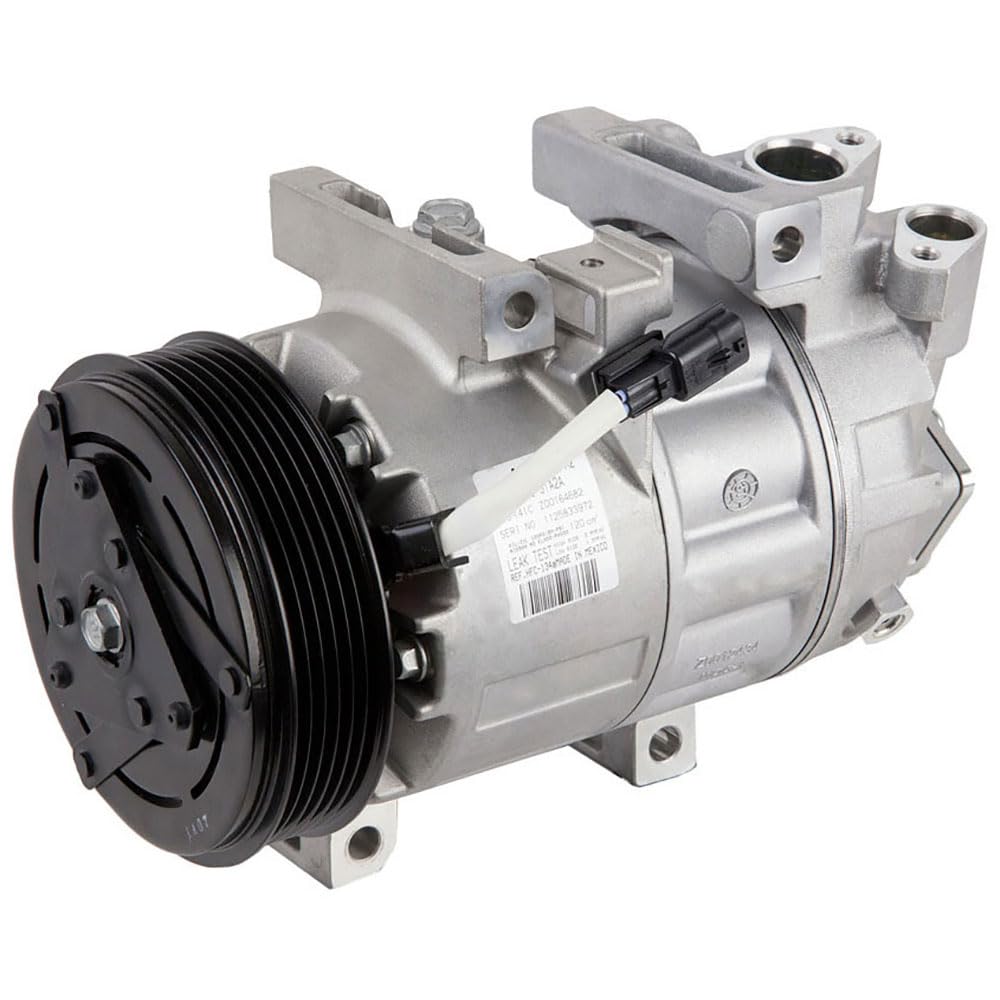
Maintaining the AC compressor in your Nissan Altima helps it last longer and work better. Simple care steps keep the system running smoothly. This saves money and avoids sudden breakdowns.
Regular Refrigerant Checks
Check the refrigerant level often to keep the AC cold. Low refrigerant makes the compressor work harder. This can cause damage and reduce cooling power. A professional can refill the refrigerant safely and check for leaks.
Inspecting Belts And Hoses
Look at belts and hoses for cracks or wear. Damaged belts can slip or break, stopping the compressor. Old hoses may leak refrigerant or let dirt in. Replace worn parts quickly to avoid bigger issues.
Keeping The System Clean
Clean the AC system parts to avoid dirt buildup. Dirt can block airflow and strain the compressor. Check and clean the condenser and vents regularly. This helps the AC work efficiently and last longer.
Credit: www.amazon.com
Common Mistakes To Avoid
Maintaining the AC compressor in your Nissan Altima requires care and attention. Many owners make simple mistakes that shorten the compressor’s life. Avoiding these errors helps keep your AC running smoothly and your car cool.
Skipping System Flush
Flushing the AC system removes old oil and debris. Skipping this step can cause blockages and damage the new compressor. Always flush the system during a compressor replacement. This keeps the system clean and extends compressor life.
Incorrect Refrigerant Levels
Too much or too little refrigerant harms the compressor. Low refrigerant causes overheating and wear. High levels increase pressure and risk leaks. Check refrigerant levels carefully and refill as needed. Proper levels ensure efficient cooling and compressor safety.
Ignoring Warning Signs
Strange noises, weak airflow, or warm air signal AC problems. Ignoring these signs can cause compressor failure. Address issues early to save money and avoid bigger repairs. Regularly inspect your AC system for any warning signs.
Cost Factors And Budgeting
Understanding the cost factors of an AC compressor for a Nissan Altima helps plan your budget better. Knowing what affects the price allows you to avoid surprises. It also helps you choose the best repair option for your needs.
Parts And Labor Costs
The price of an AC compressor varies by part quality and brand. Original equipment manufacturer (OEM) parts cost more than aftermarket ones. Labor costs depend on shop rates and repair time. Some shops charge a flat fee, while others charge by the hour. The total cost usually ranges from $400 to $900. This covers both parts and labor.
Diy Vs Professional Service
Doing the repair yourself saves money on labor. You only pay for parts and tools. But it requires skills and tools. Mistakes can cause more damage and higher costs. Professionals have experience and correct tools. They finish the job faster and safer. Choosing DIY depends on your confidence and knowledge.
Long-term Savings
Investing in a quality AC compressor prevents frequent breakdowns. Proper repairs improve your car’s cooling system. This reduces energy use and fuel consumption. Ignoring problems can lead to bigger, costly repairs. Regular maintenance extends the compressor’s life. Spending wisely now saves money over time.
When To Seek Professional Help
Knowing when to get professional help for your Nissan Altima’s AC compressor is important. Some problems are easy to fix, but others need a trained mechanic. Early repair can save money and keep your AC running well.
Many AC issues have hidden causes. Understanding the signs can prevent bigger damage. Trust the experts for tough problems and safety.
Complex Diagnoses
Some AC problems need special tools to find. If the compressor makes strange noises or does not cool properly, a professional should check it. They can find hidden faults quickly and fix them right.
System Leaks
Leaks in the AC system cause low cooling and damage parts. Finding leaks needs skill and equipment. A mechanic will locate leaks, refill refrigerant, and seal the system correctly.
Electrical Issues
Electrical faults can stop the compressor from working. Problems with wiring or sensors need expert care. Professionals test electrical parts and repair or replace them safely.

Credit: www.youtube.com
Frequently Asked Questions
What Does An Ac Compressor Do In A Nissan Altima?
The AC compressor pumps refrigerant, helping cool the air inside the car cabin.
How To Tell If Nissan Altima Ac Compressor Is Bad?
Look for weak cooling, strange noises, or AC not blowing cold air.
How Much Does A Nissan Altima Ac Compressor Replacement Cost?
Replacement costs vary but usually range from $400 to $900 including parts and labor.
Can I Drive My Nissan Altima With A Faulty Ac Compressor?
Yes, but the AC won’t cool, and it may cause more engine strain.
How Long Does A Nissan Altima Ac Compressor Typically Last?
It usually lasts 8 to 10 years or about 100,000 miles with proper care.
What Causes Nissan Altima Ac Compressor To Fail Early?
Common causes include low refrigerant, leaks, electrical issues, or lack of maintenance.
Conclusion
Choosing the right AC compressor keeps your Nissan Altima cool and comfortable. A good compressor works well and lasts longer. Regular checks help avoid sudden breakdowns. Fix problems early to save time and money. Trust only quality parts for best performance.
Keep your car’s AC strong through simple care steps. Stay cool on every drive with the right AC compressor.
As an Amazon Associate, I earn from qualifying purchases