If you own a Nissan with a CVT transmission, you might be wondering: Can you rebuild it instead of replacing it? Your transmission is a key part of your car’s performance and fixing it can save you a lot of money.
But CVTs are different from traditional transmissions, and rebuilding them isn’t always straightforward. You’ll discover what it takes to rebuild a Nissan CVT transmission, when it’s worth it, and what you should watch out for. Keep reading to find out how you can make the best decision for your vehicle and your wallet.
Credit: www.transmissiondigest.com
Nissan Cvt Basics
Nissan CVT basics help understand how these transmissions work. CVT stands for continuously variable transmission. It differs from regular automatic transmissions. It changes gear ratios smoothly without steps. This design improves fuel efficiency and driving comfort.
Many Nissan models use CVT technology. These transmissions need special care. Knowing how they work and their common models helps with maintenance and repair decisions.
How Cvt Transmissions Work
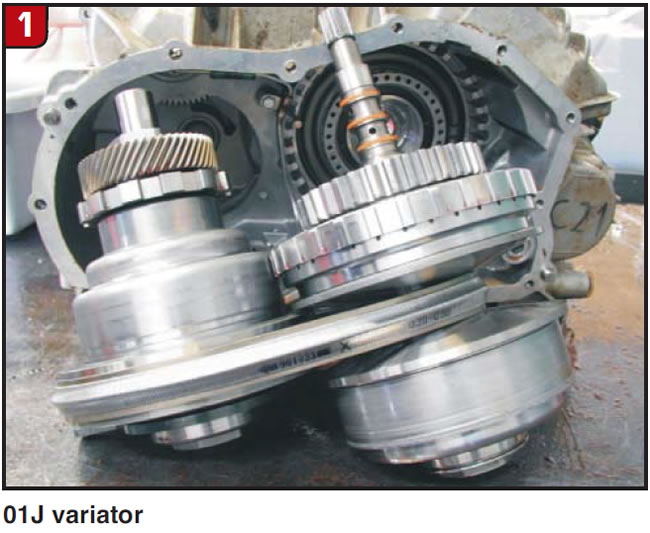
A CVT uses belts and pulleys instead of fixed gears. The pulleys change size to adjust the gear ratio. This allows the engine to run at the best speed for power and efficiency. The result is smooth acceleration without gear shifts.
Inside, two pulleys connect by a metal belt. One pulley is the drive pulley, and the other is the driven pulley. Changing pulley sizes changes the belt position. This changes the speed ratio continuously.
CVTs can feel different than normal transmissions. They often keep the engine RPM steady during acceleration. Drivers may notice less noise and smoother starts. This design helps save fuel and reduces engine wear.
Common Nissan Cvt Models
Nissan uses CVTs in many popular models. The Altima, Sentra, Rogue, and Versa often have CVT transmissions. These models use Nissan’s Xtronic CVT technology. It focuses on efficiency and smooth driving.
Some models have CVTs with different designs or updates. Newer versions improve reliability and shift feel. Older CVTs may need more care and repairs. Knowing the model helps understand what parts and service are needed.
Signs Of Cvt Trouble
Signs of trouble in a Nissan CVT transmission often appear early. Noticing these signs can save costly repairs. Knowing what to watch for helps keep your car running smoothly.
CVT problems can be subtle at first. They may grow worse over time. Catching symptoms early allows for timely fixes and better performance.
Symptoms Of Transmission Failure
The car may hesitate or jerk during acceleration. Strange noises like whining or grinding can occur. The transmission might slip or fail to shift properly. Warning lights on the dashboard may turn on. You might feel a delay in power delivery. These are common signs that the CVT is failing.
Diagnosing Cvt Issues
Use a diagnostic scanner to check for error codes. Listen carefully for unusual sounds while driving. Observe any changes in how the car shifts gears. Check the transmission fluid for color and smell. Dark or burnt fluid indicates trouble. A professional mechanic can perform a detailed inspection. Early diagnosis helps avoid full transmission failure.
Rebuilding Vs Replacing
Choosing between rebuilding and replacing a Nissan CVT transmission can feel tough. Both options have clear benefits and drawbacks. Understanding these can help you make a smart decision that suits your needs and budget.
Pros And Cons Of Rebuilding
Rebuilding a CVT transmission means fixing parts inside instead of buying a new one. It often costs less than replacement. It saves parts from the junkyard and reduces waste. Rebuilt transmissions can work well if the damage is minor.
On the downside, rebuilding takes time and skilled labor. Some parts may still wear out soon. Not all issues can be fixed by rebuilding. It may not last as long as a new transmission.
When Replacement Is Better
Replacing the CVT transmission is best when damage is severe. A new or remanufactured transmission offers full reliability. It comes with a warranty, giving peace of mind. Replacement avoids the risk of hidden problems.
This option costs more upfront. But it saves money on future repairs. Replacement is faster in some cases. It suits those who want long-term performance and less hassle.
Tools And Parts Needed
Rebuilding a Nissan CVT transmission requires the right tools and parts. Without proper equipment, the process can become difficult and risky. This section covers the essential items needed for a successful rebuild. It helps you prepare well before starting the job.
Essential Tools For Rebuild
You need special tools to take apart and fix a CVT transmission. A torque wrench ensures bolts tighten to the right strength. Snap ring pliers help remove small clips inside the transmission. A seal puller removes old seals without damage. A dial indicator checks parts for wear and alignment. Clean work surfaces and trays keep parts organized. Basic hand tools like sockets and screwdrivers are also needed.
Sourcing Genuine Nissan Parts
Using genuine Nissan parts is key for a reliable rebuild. OEM parts fit perfectly and last longer. Look for parts like belts, pulleys, bearings, and seals made for Nissan CVTs. Buying from authorized dealers or trusted suppliers guarantees quality. Avoid cheap aftermarket parts that may fail early. Genuine parts keep your transmission running smoothly and safely.
Step-by-step Rebuild Process
Rebuilding a Nissan CVT transmission is a detailed process. It takes patience and careful attention. Each step matters to ensure the transmission works well again. Following the correct steps helps avoid mistakes and costly repairs later.
Disassembling The Cvt
Start by removing the transmission from the vehicle. Clean the outside to prevent dirt entry. Carefully take apart the CVT housing. Keep track of all bolts and small parts. Use a clean workspace to avoid losing pieces. Take photos if needed to remember assembly order.
Inspecting Components
Check each part for wear or damage. Look closely at belts, pulleys, and bearings. Measure parts against Nissan’s specifications. Identify cracks, rust, or worn surfaces. Replace any parts that do not meet standards. Inspection is key to a successful rebuild.
Replacing Worn Parts
Order genuine Nissan replacement parts. Use new seals and gaskets for leaks. Swap out worn belts and bearings. Avoid using old or damaged components. Proper parts improve transmission life. Follow the manual for part installation.
Reassembling And Testing
Put the CVT back together step by step. Apply the correct torque to bolts. Refill transmission fluid with the right type. Test the transmission for smooth operation. Check for leaks or unusual noises. Testing ensures the rebuild was successful.

Credit: www.advancetransmissions.org
Expert Tips For Success
Rebuilding a Nissan CVT transmission is a task that requires patience and care. Success depends on understanding the key steps and avoiding common errors. These expert tips help you rebuild efficiently and keep your transmission running smoothly.
Common Mistakes To Avoid
Do not rush the rebuild process. Take time to clean all parts carefully. Using dirty or worn components causes problems later. Avoid mixing parts from different models or years. This mismatch can cause poor performance or failure.
Do not ignore the importance of seals and gaskets. Replace all seals during the rebuild to prevent leaks. Skipping this step leads to fluid loss and damage. Avoid using the wrong fluid type. Use only Nissan-approved CVT fluid for best results.
Maintenance After Rebuild
After rebuilding, check fluid levels regularly. Low fluid harms the transmission quickly. Change the CVT fluid at recommended intervals to keep parts lubricated. Listen for unusual noises or slipping. Early detection of issues saves costly repairs.
Keep the transmission cool by avoiding heavy loads or steep hills. Overheating shortens its lifespan. Regular inspections and gentle driving habits improve durability and performance. Follow these steps to protect your rebuilt Nissan CVT transmission.
Cost Considerations
Cost is a key factor when deciding to rebuild a Nissan CVT transmission. Understanding the expenses helps you plan your budget. This section breaks down the costs clearly. It also compares rebuilding with replacing the transmission. This way, you can make a wise choice.
Estimating Rebuild Expenses
Rebuilding a Nissan CVT can cost between $1,500 and $3,000. Labor is a big part of the price. Skilled mechanics spend many hours on this job. Parts like belts, pulleys, and seals add to the cost. The price varies by location and the damage level. Some shops offer warranty on rebuilt transmissions. This can give extra peace of mind.
Comparing With Replacement Costs
Replacing the whole CVT transmission usually costs more. New transmissions range from $3,000 to $5,000 or higher. Used or remanufactured options cost less but carry risks. Replacement often means less repair time. It may come with a longer warranty. Choose rebuilding if your transmission has minor issues. Replacement fits severe damage or old transmissions.

Credit: www.youtube.com
Frequently Asked Questions
Can A Nissan Cvt Transmission Be Rebuilt Successfully?
Yes, a Nissan CVT transmission can be rebuilt, but it requires expert skills and specific parts.
How Much Does It Cost To Rebuild A Nissan Cvt Transmission?
Rebuilding a Nissan CVT typically costs between $1,500 and $3,000 depending on damage.
What Are Common Problems In Nissan Cvt Transmissions?
Common issues include belt wear, fluid leaks, and overheating in Nissan CVTs.
How Long Does A Rebuilt Nissan Cvt Transmission Last?
A rebuilt Nissan CVT can last 50,000 to 100,000 miles with proper care.
Should I Rebuild Or Replace My Nissan Cvt Transmission?
Rebuild if damage is minor; replace if there are major internal failures.
Can I Rebuild A Nissan Cvt Transmission Myself?
Rebuilding a Nissan CVT is complex and usually requires professional tools and knowledge.
Conclusion
Rebuilding a Nissan CVT transmission is possible with the right tools and skills. It takes patience and careful work to avoid mistakes. Many drivers save money by fixing their transmission instead of buying new. Still, some parts may wear out faster than others.
Regular maintenance helps your transmission last longer. Think about your comfort with car repairs before starting. A well-rebuilt CVT can improve your vehicle’s performance. Keep learning and stay cautious during the process. Your effort can bring your Nissan back to smooth driving.
As an Amazon Associate, I earn from qualifying purchases