Are you puzzled by how little your Nissan Murano can tow? You’re not alone.
Many owners expect more from this stylish SUV but find its towing capacity surprisingly low. Understanding why your Murano can’t haul heavy loads could save you from costly mistakes and help you make smarter choices. You’ll discover the key reasons behind the Murano’s towing limits—and what that means for you and your vehicle.
Keep reading to get the full picture and avoid common towing pitfalls.
Nissan Murano Towing Limits
The Nissan Murano is a popular midsize SUV known for its comfort and style. Many drivers want to know how much it can tow. Understanding the towing limits helps you avoid damage and keeps your ride safe.
Towing capacity depends on many factors like engine power, frame strength, and suspension. The Murano focuses more on daily driving comfort than heavy towing. This affects its towing numbers compared to some other SUVs.
Official Towing Capacity
The Nissan Murano has an official towing capacity of 1,500 pounds. This number applies to most recent models. It means the Murano can pull small trailers or light boats without strain.
This capacity is lower than many SUVs in its class. The engine size and design limit the maximum towing weight. The Murano’s V6 engine delivers good power, but the vehicle is not built for heavy towing.
Comparison With Competitors
Many competitors offer higher towing limits. For example, the Honda Passport can tow up to 5,000 pounds. The Ford Edge also has a towing capacity near 3,500 pounds.
These SUVs have stronger frames and more towing-focused features. They may include better cooling systems and reinforced suspensions. The Murano’s lower capacity reflects its focus on comfort over towing strength.
Choosing a vehicle depends on your towing needs. The Murano suits light towing but not heavy-duty tasks. Competitors may be better for bigger trailers or boats.
Engine And Powertrain Factors
The Nissan Murano’s towing capacity is influenced greatly by its engine and powertrain. These parts control how much weight the vehicle can safely pull. Understanding their role helps explain why the Murano’s towing ability is limited.
Each component works together to balance power, efficiency, and safety. The design choices Nissan made focus on comfort and fuel economy. This focus affects the vehicle’s strength for towing heavy loads.
Engine Size And Output
The Murano uses a 3.5-liter V6 engine. It produces around 260 horsepower and 240 lb-ft of torque. This engine size is moderate and designed for smooth driving, not heavy towing.
Lower torque means less force to pull trailers. Larger or more powerful engines usually allow higher towing capacity. The Murano’s engine favors daily driving over tough towing tasks.
Transmission Design
The Murano features a continuously variable transmission (CVT). CVTs provide smooth acceleration and better gas mileage. But they are not built for high towing stress.
Traditional automatic transmissions handle towing loads better. The CVT limits how much power reaches the wheels under heavy load. This design helps with comfort but lowers towing strength.
Drivetrain Configuration
The Murano comes with front-wheel drive or all-wheel drive options. Front-wheel drive models have less traction for towing. All-wheel drive improves grip but adds weight and complexity.
The drivetrain setup prioritizes stability and control on the road. It does not focus on pulling heavy trailers. This balance helps with everyday use but limits towing capacity.
Chassis And Suspension Design
The chassis and suspension design play a key role in a vehicle’s towing capacity. They provide the base structure and support for carrying extra weight. The Nissan Murano uses a design that focuses more on comfort than heavy-duty towing. This choice affects how much weight it can safely pull.
Understanding the frame and suspension setup helps explain why the Murano’s towing capacity is lower than some competitors. The design choices limit the vehicle’s ability to handle heavy trailers or loads. This section breaks down the main factors behind this limitation.
Frame Structure
The Nissan Murano uses a unibody frame. This means the body and frame are one piece. It is lighter and improves fuel efficiency. But it is not as strong as a body-on-frame design. Body-on-frame trucks can handle more weight because of their rugged structure.
The unibody frame suits daily driving and light loads. It adds comfort and better handling. However, it cannot support very heavy trailers. The frame flexes more under load, reducing towing ability.
Suspension Setup
The Murano has an independent suspension system. It focuses on smooth rides and good road grip. This system absorbs bumps and keeps the cabin quiet. It uses softer springs and shocks to improve comfort.
This setup works well for passenger comfort. But it sacrifices strength needed for towing heavy loads. The suspension may sag or wear out faster if overloaded. It also affects vehicle stability when towing.
Impact On Towing
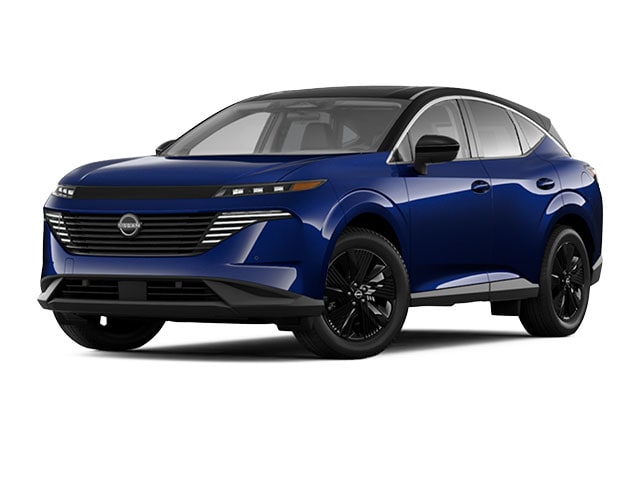
The combination of the unibody frame and soft suspension limits towing capacity. The vehicle cannot safely handle large trailers or heavy equipment. The Murano is best for light towing tasks.
Drivers should avoid exceeding recommended towing limits. Overloading stresses the chassis and suspension. It can cause damage and reduce vehicle life. The design choices prioritize comfort over heavy towing power.
Credit: www.anchor-nissan.com
Safety And Stability Considerations
The Nissan Murano’s towing capacity is limited by important safety and stability factors. These features protect both the driver and the vehicle during towing. Nissan designs the Murano to ensure safe handling, even with added weight. Understanding these safety elements explains why the towing limits stay low.
Brake System Limitations
The Murano’s brakes are built for everyday driving, not heavy towing. Strong brakes are needed to stop a heavy trailer safely. The Murano’s brake system may overheat or wear out quickly under heavy loads. This risk lowers the maximum towing capacity Nissan sets for the vehicle.
Electronic Stability Control
Electronic Stability Control (ESC) helps keep the Murano steady on the road. ESC reduces the risk of skidding or losing control, especially while towing. The system works best within certain weight limits. Heavy towing can reduce ESC’s effectiveness, so Nissan limits towing to keep stability strong.
Weight Distribution
Proper weight distribution affects how well the Murano handles a trailer. The vehicle’s design supports a certain balance of weight between the front and rear. Too much trailer weight can shift balance and make steering difficult. Nissan sets towing limits to keep weight distribution safe and stable during travel.
Manufacturer’s Intent And Market Position
The Nissan Murano’s towing capacity is often seen as low compared to other SUVs. This is not an accident. It reflects the manufacturer’s clear plan and where Nissan wants this vehicle to fit in the market. The design and features show what the company expects buyers to need most.
Understanding the manufacturer’s intent helps explain why towing is not a top focus for the Murano. Nissan aims to balance comfort, style, and everyday usability. This balance shapes the car’s engine power, frame, and other parts that affect towing strength.
Target Audience
Nissan designs the Murano for families and daily drivers. These buyers want a safe, smooth ride. They use the car mostly for city and highway travel. Few plan to tow heavy trailers or boats. The towing needs of this group are simple and light.
The Murano suits people who value space and comfort more than heavy-duty work. Nissan builds the SUV to appeal to these drivers. This focus keeps the towing capacity lower than trucks or large SUVs.
Vehicle Classification
The Murano is a midsize crossover SUV. This class often has lower towing limits than full-size SUVs. The frame and suspension systems are lighter to improve ride quality. These choices reduce the ability to tow heavy loads.
Crossovers like the Murano prioritize passenger comfort and fuel economy. The vehicle’s structure reflects this priority. It is not built for heavy towing like trucks or large SUVs with strong chassis.
Fuel Efficiency Priorities
Nissan aims for better fuel economy in the Murano. A smaller engine and lighter body help save fuel. Increasing towing capacity needs a stronger engine and frame. This change would lower fuel efficiency.
Many buyers of the Murano want a car that saves money on gas. Nissan balances power and fuel use carefully. This balance leads to a lower towing capacity but better mileage for daily driving.

Credit: www.suntrupnissan.com
Aftermarket Modifications And Risks
Many Nissan Murano owners consider aftermarket modifications to increase towing capacity. These changes promise better performance but come with risks. Understanding these risks helps make safer choices.
Potential Upgrades
Some upgrades include stronger hitch receivers and improved suspension. Installing a transmission cooler can also help manage extra heat. Upgrading tires and brakes is common for better control. These parts aim to support heavier loads safely. Proper installation is critical for these upgrades to work well.
Warranty And Safety Concerns
Aftermarket changes can void the vehicle’s warranty. Nissan may refuse repairs if damage relates to modifications. Safety risks increase without professional installation. Overloading can cause brake failure or tire blowouts. Modifications can also affect vehicle stability and handling. Always check local laws before making changes.

Credit: www.nissanoforangepark.com
Frequently Asked Questions
Why Is Nissan Murano’s Towing Capacity Limited?
Nissan Murano’s design focuses on comfort and fuel efficiency, not heavy towing tasks.
How Does Engine Size Affect Nissan Murano Towing?
Smaller engines provide less power, which lowers the Murano’s towing capability.
Does Murano’s Transmission Impact Its Towing Capacity?
Yes, Murano’s transmission is tuned for smooth driving, not for heavy towing loads.
Can I Increase Nissan Murano’s Towing Capacity Safely?
Towing limits are set for safety. Increasing capacity can damage the vehicle and is unsafe.
How Does Murano’s Frame Design Affect Towing?
The unibody frame prioritizes ride comfort over towing strength, limiting towing capacity.
What’s The Maximum Trailer Weight For Nissan Murano?
Nissan Murano usually tows up to 1,500 pounds, which suits small trailers or bikes.
Conclusion
The Nissan Murano has a lower towing capacity due to its design. It focuses more on comfort and fuel efficiency than heavy towing. Its engine and frame are not built for heavy loads. This makes it safer and easier to drive daily.
For those needing more towing power, other models may suit better. Understanding these limits helps avoid damage and keeps driving smooth. The Murano fits well for light towing and family trips. Knowing its strengths helps you choose the right vehicle for your needs.
As an Amazon Associate, I earn from qualifying purchases