Are you curious about how many catalytic converters your Nissan Versa has? Understanding this simple yet important part of your car can save you time, money, and hassle down the road.
Whether you’re thinking about repairs, upgrades, or just want to know more about your vehicle, this guide will give you clear and straightforward answers. Keep reading to discover exactly what your Nissan Versa needs and why it matters for your car’s performance and the environment.
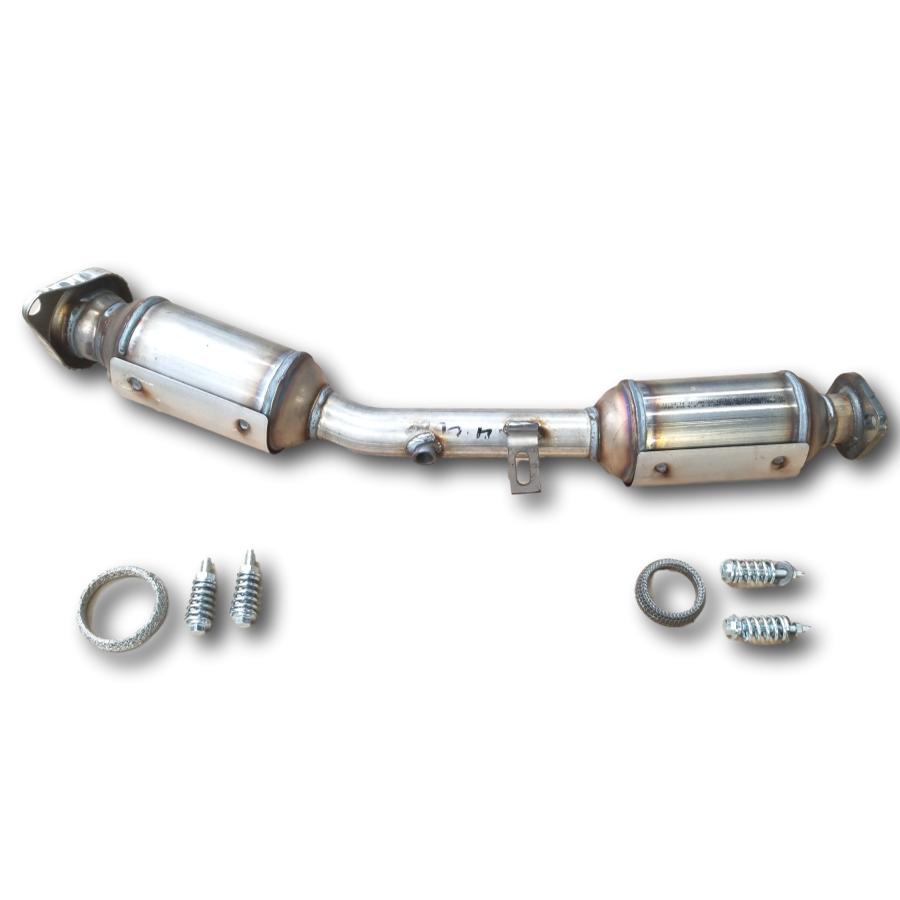
Credit: mufflerexpress.com
Catalytic Converter Basics
Catalytic converters play a key role in a vehicle’s exhaust system. They reduce harmful gases from the engine. This helps keep the air clean and protects the environment.
Understanding the basics of catalytic converters helps in knowing their value. It also explains why Nissan Versa has the number it does. Let’s explore their purpose and types.
Purpose And Function
The catalytic converter changes toxic gases into less harmful ones. It targets gases like carbon monoxide, nitrogen oxides, and hydrocarbons. Inside, a catalyst triggers chemical reactions that clean the exhaust. This process lowers pollution and meets legal emission rules. The converter works best when the engine heats up. It is a must-have for modern cars to reduce air pollution.
Types Of Catalytic Converters
Catalytic converters come in several types. The most common is the two-way converter, which reduces carbon monoxide and hydrocarbons. Three-way converters handle nitrogen oxides as well. Some vehicles use diesel oxidation catalysts for diesel engines. High-performance converters offer better flow but can be costlier. Nissan Versa typically uses a three-way converter for efficiency and cleaner emissions.
Nissan Versa Catalytic Converter Setup
The catalytic converter helps reduce harmful gases from your Nissan Versa. It cleans the exhaust by turning bad gases into less harmful ones. Knowing the setup of catalytic converters in your car is important. It helps with maintenance and repairs. Nissan uses different setups depending on the model year and engine type.
Understanding how many catalytic converters your Nissan Versa has and where they are located can save time and money. It also helps when you need to replace or check the converter. Below, find details about the number of converters by model year and their locations in the vehicle.
Number Of Converters By Model Year
Most Nissan Versa models have one catalytic converter. This includes models from 2012 to 2020. Some older models, like those before 2012, may have a single converter too. The setup is simple and efficient. Newer models tend to keep this one-converter design for cost and space reasons.
Some rare versions or special trims might have two converters. This happens when the engine or exhaust system is different. For example, models with higher emission standards might use two converters. Usually, one is placed before the muffler, and the other closer to the engine.
Location Of Converters
The catalytic converter is located under the Nissan Versa’s body. It sits between the engine and the muffler. The main converter is near the exhaust manifold. This spot allows it to heat up quickly and work well.
In models with two converters, the first one is near the engine. The second converter is further down the exhaust pipe. This setup helps clean the exhaust gases in two steps. It reduces pollution more effectively.
Access to the catalytic converter is usually from under the car. Mechanics remove it by unbolting from the exhaust pipe. Knowing this location helps if you want to check for damage or replacement.
Signs Of A Failing Catalytic Converter
The catalytic converter is a key part of your Nissan Versa’s exhaust system. It helps reduce harmful emissions and keeps the car running clean. Signs of a failing catalytic converter can affect your car’s health and the environment. Recognizing these signs early can save you from costly repairs and keep your vehicle safe on the road.
Common Symptoms
A failing catalytic converter often shows clear symptoms. One common sign is a drop in fuel efficiency. You might notice your car uses more gas than usual. Another symptom is a rotten egg smell from the exhaust. This smell comes from sulfur compounds not being processed correctly. Your Nissan Versa may also have a rough engine idle or trouble starting. Sometimes, the check engine light turns on. This warning means the car’s computer found an emissions problem. Loud exhaust noise or rattling sounds under the vehicle are also warning signs. These noises happen if the converter’s internal parts break apart.
Effects On Vehicle Performance
A bad catalytic converter limits your car’s power. The engine may feel weak or slow during acceleration. This happens because exhaust gases cannot flow properly through a clogged converter. Your Nissan Versa might stall or hesitate while driving. Poor performance can make driving unsafe, especially in traffic. The car may also emit more pollution, failing emissions tests. Ignoring these issues can lead to engine damage over time. Timely attention to the catalytic converter keeps your vehicle running smoothly and cleanly.
Replacement And Maintenance Tips
Knowing how to replace and maintain the catalytic converter in your Nissan Versa is important. This part helps reduce harmful emissions and keeps your car running clean. Proper care can save money and extend the life of your vehicle.
When To Replace
Signs of a bad catalytic converter include poor engine performance and a strong smell of sulfur. A check engine light may also appear on the dashboard. Strange noises like rattling can mean the converter is damaged. Replace it if your car fails an emissions test.
Cost And Installation
The cost of a new catalytic converter for a Nissan Versa varies. On average, expect to pay between $400 and $1200. Labor costs depend on the mechanic and location. Installation usually takes one to two hours. Use a trusted mechanic to avoid future issues.
Preventive Care
Keep your engine in good shape to protect the catalytic converter. Regular oil changes and tune-ups help. Avoid using leaded fuel or additives that can harm the converter. Fix engine problems early to prevent damage. Clean air filters also improve converter life.
Environmental Impact
The environmental impact of a Nissan Versa’s catalytic converters is important. These parts help clean harmful gases from the car’s exhaust. Without them, pollution would increase. They play a key role in protecting air quality and public health.
Understanding how many catalytic converters the Nissan Versa has can show how this car helps reduce pollution. This also ties into legal rules that make sure cars meet certain emission standards.
Emissions Reduction
Catalytic converters lower dangerous gases like carbon monoxide and nitrogen oxides. The Nissan Versa usually has one catalytic converter. It converts these gases into less harmful ones like carbon dioxide and water vapor. This process reduces smog and health risks.
By reducing emissions, the catalytic converter helps slow down air pollution. It also helps fight climate change by lowering some greenhouse gases. This makes the Nissan Versa a more eco-friendly choice for drivers.
Legal Requirements
Laws require cars like the Nissan Versa to have catalytic converters. These rules set limits on how much pollution a car can produce. The converter helps meet these limits by cleaning exhaust gases.
Without a working catalytic converter, a car can fail emissions tests. This can lead to fines or not passing vehicle inspections. The Nissan Versa’s catalytic converter ensures it stays within legal pollution limits.

Credit: www.paulsautorepair.com

Credit: www.youtube.com
Frequently Asked Questions
How Many Catalytic Converters Does A Nissan Versa Have?
A Nissan Versa usually has one catalytic converter to reduce harmful emissions.
Where Is The Catalytic Converter Located In A Nissan Versa?
It is located under the car, near the exhaust pipe, before the muffler.
Why Does A Nissan Versa Need A Catalytic Converter?
It helps clean the car’s exhaust gases and reduces pollution.
Can A Nissan Versa Run Without A Catalytic Converter?
Yes, but it will pollute more and may fail emissions tests.
How Do I Know If My Nissan Versa’s Catalytic Converter Is Bad?
Signs include poor engine performance, strange smells, and a check engine light.
Is Replacing A Nissan Versa Catalytic Converter Expensive?
Costs vary but are usually moderate; labor and parts affect the total price.
Conclusion
A Nissan Versa usually has one catalytic converter. This part helps reduce harmful emissions from the car. Keeping it in good shape helps the engine run cleaner. Regular checks can catch problems early. Knowing this helps you maintain your vehicle better.
It also saves money on repairs later. Simple care keeps your car healthy and eco-friendly. Understanding your car parts is always useful. This knowledge helps you make smart choices about maintenance.
As an Amazon Associate, I earn from qualifying purchases