Is your Nissan Altima’s ABS light on, and you’re not sure what to do next? That little warning can feel confusing and even a bit scary.
But don’t worry—you’re not alone, and turning off that ABS light might be easier than you think. You’ll discover simple steps to help you understand why the light is on and how to safely turn it off. Keep reading, because ignoring this warning could cost you more in the long run—and you deserve to drive with confidence and peace of mind.

Credit: www.wikihow.com
Abs Light Basics
The ABS light on your Nissan Altima dashboard is important. It shows if there is a problem with the anti-lock braking system. Understanding this light helps keep your car safe and working well. Knowing what triggers the ABS light can help you fix issues faster.
Read on to learn the basics about the ABS light. This knowledge helps you handle the light without stress.
What The Abs Light Means
The ABS light means the car’s anti-lock braking system has a fault. The system stops the wheels from locking during hard braking. If the light turns on, the system might not work properly. Your brakes will still work, but without the anti-lock feature. This can affect your control on slippery roads.
Common Causes For Abs Light Activation
Several issues can turn on the ABS light in a Nissan Altima. A worn or damaged wheel speed sensor is a top cause. Bad sensor wiring or connections also trigger the light. Low brake fluid levels can cause the light to flash. Problems with the ABS control module may also activate the warning. Dirt or debris blocking sensors might cause errors. Regular checks help catch these issues early.
Initial Checks
Before fixing the ABS light on your Nissan Altima, start with some simple checks. These checks help find the cause of the problem. They save time and money by avoiding unnecessary repairs.
Begin by inspecting the brake fluid level. This fluid is crucial for your braking system. Next, check the wheel speed sensors. These sensors send important signals to the ABS system.
Inspecting The Brake Fluid Level
Open the hood and locate the brake fluid reservoir. It is usually near the back of the engine bay. The reservoir has minimum and maximum marks. Make sure the fluid level is between these marks. Low brake fluid can trigger the ABS light.
Use the recommended brake fluid type for your Nissan Altima. Avoid mixing different types of brake fluid. If the level is low, add fluid carefully. Check for leaks around the brake lines and reservoir.
Checking Wheel Speed Sensors
Wheel speed sensors monitor the speed of each wheel. They send data to the ABS control unit. Dirt, debris, or damage can affect sensor function. Clean the sensors gently with a soft cloth. Look for visible damage or loose connections.
Each wheel has a sensor near the hub. Inspect wiring for cracks or breaks. Secure any loose wires. Faulty sensors often cause the ABS light to stay on. After cleaning and checking, test drive your Altima to see if the light turns off.
Resetting The Abs Light
The ABS light on a Nissan Altima signals a problem with the anti-lock braking system. Resetting this light can help clear errors after repairs or checks. It also lets you know if the issue still exists. This section explains easy ways to reset the ABS light.
Resetting the ABS light is not hard. You can do it with tools or by hand. Both methods are safe if done carefully. Read on to find the best way for you.
Using An Obd2 Scanner
An OBD2 scanner reads the car’s error codes. These codes tell what caused the ABS light to turn on. Connect the scanner to your Nissan Altima’s OBD2 port. This port is usually under the dashboard.
Turn the ignition on but do not start the engine. Follow the scanner’s instructions to read the ABS codes. Once you see the codes, select the option to clear or reset them. This action turns off the ABS light.
Using a scanner saves time. It also helps find hidden problems. If the light comes back, the issue is not fixed yet.
Manual Reset Methods
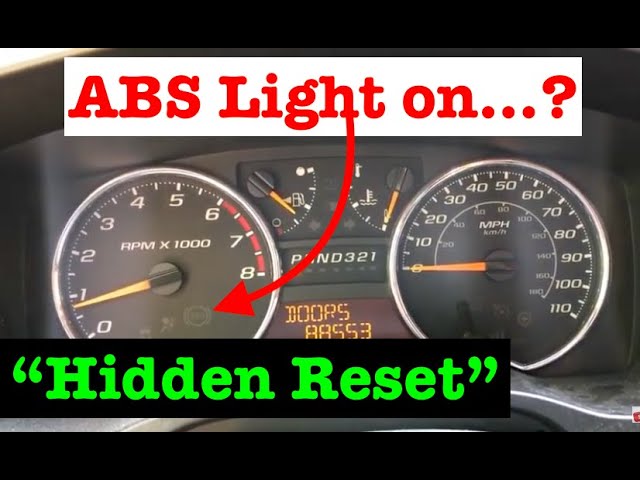
Manual reset methods do not need special tools. The first step is to turn the ignition on and off three times. Do this slowly, within five seconds each time. On the third turn, leave the key in the “on” position for 10 seconds.
This process resets the system in some Nissan models. Another way is to disconnect the car battery. Remove the negative cable for 15 minutes. Reconnect it and start the car. This can reset the ABS light too.
Manual resets work only if the ABS problem is fixed. If the light stays on, visit a mechanic for help.
Diy Repairs
DIY repairs can save money and time when dealing with the ABS light on a Nissan Altima. Many common issues are easy to spot and fix at home. Basic tools and a little patience are all you need. This section guides you through simple repairs to turn off the ABS warning light yourself.
Cleaning Or Replacing Wheel Sensors
Wheel sensors detect the speed of each wheel. Dirt or damage can cause wrong signals, turning the ABS light on. Start by removing the wheel and inspecting the sensor. Clean the sensor with a soft brush and brake cleaner. If the sensor is cracked or worn, replace it with a new one. Proper sensor function often clears the ABS light.
Fixing Wiring Issues
Wiring problems can interrupt signals from the wheel sensors to the ABS system. Check the wiring harness near each wheel sensor for cuts or loose connections. Repair broken wires with electrical tape or connectors. Make sure all plugs are secure and free of corrosion. Fixing wiring faults can help turn off the ABS warning light quickly.
When To Seek Professional Help
Knowing when to seek professional help for your Nissan Altima’s ABS light is key. The ABS light signals issues with the anti-lock brake system. Some problems are simple and can be fixed at home. Others need expert care to keep you safe on the road.
Signs Of Serious Brake Problems
If the ABS light stays on and you notice strange brake behavior, act fast. Hard or soft brake pedals mean trouble. Strange noises like grinding or squealing are warning signs. The car pulling to one side during braking is unsafe. A burning smell near the wheels also needs attention. These signs point to serious brake problems. Avoid driving until a mechanic checks your brakes.
Finding A Qualified Mechanic
Choose a mechanic who knows Nissan vehicles well. Look for certified brake specialists. Reviews and recommendations help find trusted shops. A good mechanic uses modern diagnostic tools. They will give clear explanations and honest advice. Timely repair keeps your ABS system working right. Don’t delay fixing brake issues to protect yourself and others.

Credit: www.reddit.com
Preventive Maintenance Tips
Preventive maintenance helps keep your Nissan Altima’s ABS light off. Regular care stops issues before they start. This saves money and keeps driving safe. Follow these simple tips to maintain your brake system and sensors well.
Regular Brake System Inspections
Check brake pads and discs often. Worn parts cause the ABS light to come on. Have a mechanic inspect the brake fluid level. Low fluid can trigger warning lights. Timely repairs prevent bigger problems and keep brakes working well.
Keeping Sensors And Components Clean
Brake sensors detect wheel speed and send signals to the ABS system. Dirt or debris can block these sensors. Clean sensors with a soft cloth and mild cleaner. Avoid harsh chemicals that may damage parts. Clean sensors help the ABS system work correctly and stop false warnings.
Credit: www.youtube.com
Frequently Asked Questions
What Does The Abs Light On Nissan Altima Mean?
The ABS light shows a problem in the anti-lock braking system. It needs checking.
Can I Drive With The Abs Light On Nissan Altima?
You can drive, but braking may be less safe. Get it checked soon.
How To Reset The Abs Light On Nissan Altima?
Use an OBD2 scanner to clear the ABS codes after fixing the issue.
What Causes The Abs Light To Turn On Nissan Altima?
Common causes are faulty sensors, low brake fluid, or damaged ABS module.
Is It Safe To Ignore The Abs Light On Nissan Altima?
Ignoring it can reduce brake control and increase accident risk. Fix it fast.
How Much Does It Cost To Fix Abs Light On Nissan Altima?
Repairs usually cost between $100 and $500, depending on the problem’s severity.
Conclusion
Turning off the ABS light on your Nissan Altima is simple with the right steps. Check your brake fluid and sensor first. Use an OBD2 scanner to find and clear error codes. Regular maintenance helps keep the ABS system working well.
Don’t ignore the warning light for too long. Fixing issues early keeps you safe on the road. Follow these tips to keep your car in good shape. Your Altima will thank you with smooth, safe driving.
As an Amazon Associate, I earn from qualifying purchases