Are you sure your Toyota Sienna’s tires are properly inflated? Getting the right tire pressure isn’t just a small detail—it affects your safety, fuel efficiency, and how smoothly your van drives.
If your tires are under or over-inflated, you could face uneven wear, poor handling, or even a blowout. You’ll discover exactly what tire pressure your Toyota Sienna needs and why it matters so much. Keep reading to protect your vehicle and enjoy a safer, more comfortable ride every time you hit the road.
Recommended Tire Pressure
Maintaining the correct tire pressure is vital for your Toyota Sienna. It ensures safety, better fuel efficiency, and longer tire life. Checking the recommended tire pressure is simple and helps avoid uneven tire wear and poor handling.
Each Toyota Sienna model may have specific pressure needs. These depend on tire size and driving conditions. Knowing the right pressure for your tires keeps your vehicle running smoothly.
Factory Specifications
The factory sets the ideal tire pressure for your Toyota Sienna. You can find this information on a sticker inside the driver’s door frame. For most Sienna models, the recommended pressure is usually 35 PSI (pounds per square inch). This number is designed for normal driving with a full load.
Pressure For Different Tire Sizes
Tire sizes can vary depending on the trim and options of your Sienna. Smaller tires may need slightly lower pressure, while larger tires require more. Always check the pressure range listed on the tire sidewall. Adjust the PSI within the recommended limits for your specific tire size.
Front Vs Rear Tire Pressure
The front and rear tires may need different pressures. The front tires often carry more weight due to the engine and steering. Your Toyota Sienna’s manual may suggest 35 PSI for the front and 33 PSI for the rear. Keeping these pressures balanced improves handling and ride comfort.

Credit: www.youtube.com
How To Check Tire Pressure
Checking tire pressure is an important part of car care. Proper tire pressure helps your Toyota Sienna drive safely and save fuel. Knowing how to check tire pressure is easy and takes only a few minutes. Follow simple steps to keep your tires in good shape.
Tools Needed
You need a tire pressure gauge to check the pressure. It can be digital or manual. A small, portable gauge works best. Some gas stations have air pumps with built-in pressure gauges. Keep a gauge in your car for quick checks anytime.
Step-by-step Checking Process
First, park your Toyota Sienna on a flat surface and turn off the engine. Remove the valve cap from a tire. Press the tire pressure gauge firmly onto the valve stem. Read the number shown on the gauge. Compare it to the recommended pressure in your owner’s manual or door sticker. Add air if the pressure is low. Let air out if the pressure is too high. Replace the valve cap. Repeat for all four tires.
When To Check Tire Pressure
Check tire pressure at least once a month. Check before long trips to avoid problems on the road. Tires lose air naturally over time. Check pressure when the tires are cold, before driving or after resting for a few hours. Cold tires give the most accurate pressure reading.
Factors Affecting Tire Pressure
Tire pressure in your Toyota Sienna changes for many reasons. These changes affect your driving safety and fuel efficiency. Knowing what affects tire pressure helps you keep your tires in good shape. This section explains key factors that cause tire pressure to vary.
Temperature Changes
Air inside tires expands when warm and shrinks when cold. Cold weather can lower tire pressure by several PSI. Hot weather increases pressure, but it rarely causes overinflation. Check tire pressure more often during seasonal changes. Adjust pressure to match the recommended level for your Sienna.
Load And Passenger Impact
More weight in the vehicle pushes tires harder on the road. Carrying heavy loads or many passengers lowers tire pressure faster. Tires may look fine but still be underinflated. Inflate tires to higher pressure if carrying extra weight. This helps maintain good handling and tire life.
Tire Wear And Condition
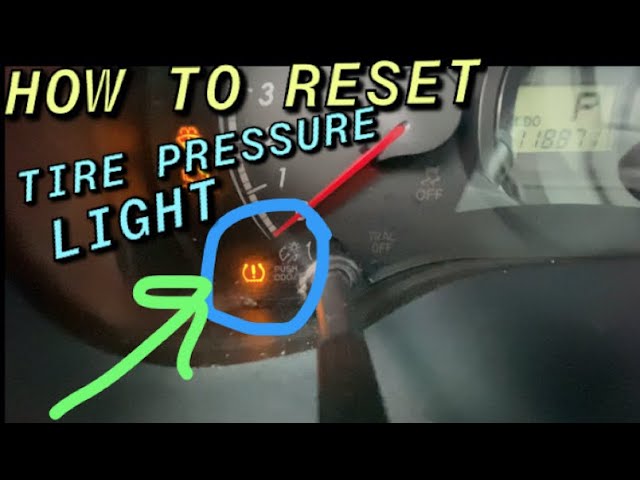
Old or damaged tires do not hold air well. Worn tread or small holes cause slow leaks. Cracks on the sidewall also reduce tire pressure. Regularly inspect tires for signs of wear and damage. Replace tires that cannot keep the correct pressure safely.
Credit: www.youtube.com
Consequences Of Incorrect Tire Pressure
Maintaining the correct tire pressure for your Toyota Sienna is crucial. Incorrect tire pressure can cause several problems. These issues affect safety, fuel costs, and how long your tires last. Understanding these consequences helps you keep your vehicle in good condition.
Safety Risks
Incorrect tire pressure reduces how well your tires grip the road. Low pressure makes tires soft, causing poor handling. Overinflated tires become hard and less stable. Both conditions increase the chance of accidents. Braking distances also grow with wrong pressure. Tire blowouts become more likely, risking serious crashes.
Fuel Efficiency
Wrong tire pressure causes your vehicle to use more fuel. Underinflated tires create more rolling resistance. Your engine works harder to move the car. This extra effort burns more gasoline. Keeping proper tire pressure saves money on fuel. It also reduces your vehicle’s carbon footprint.
Tire Longevity
Incorrect pressure wears tires unevenly and fast. Low pressure causes more wear on the edges. High pressure wears out the center tread quickly. Both lead to early tire replacement. Proper inflation balances tire wear and extends tire life. This saves you money and keeps your ride smooth.
Adjusting Tire Pressure
Adjusting tire pressure is a key part of maintaining your Toyota Sienna. Proper tire pressure keeps the vehicle safe and improves fuel efficiency. It also helps tires last longer and ensures a smooth ride. Checking and adjusting tire pressure is easy with the right tools and knowledge.
Inflating Tires Properly
Start by checking the recommended pressure on the driver’s door sticker. Use a reliable tire gauge to measure current pressure. Add air slowly using an air compressor. Stop often to check the pressure. Avoid over-inflating, as it can cause uneven tire wear and reduce grip.
Deflating Tires Safely
If tire pressure is too high, release air carefully. Press the valve stem pin gently to let air out. Check pressure frequently to avoid letting out too much air. Keep the pressure within the recommended range for your Toyota Sienna. Proper deflation helps maintain balance and control.
Using Air Compressors And Gauges
Choose a good-quality air compressor and a precise tire pressure gauge. Digital gauges often provide more accurate readings. Attach the gauge firmly to the valve stem for the best results. Use the compressor to add air if pressure is low. Always double-check pressure after inflation or deflation.
Maintenance Tips For Toyota Sienna Tires
Maintaining the tires on your Toyota Sienna is key to safe driving and better fuel economy. Proper care helps your tires last longer and keeps your vehicle running smoothly. Simple steps ensure you get the best performance from your tires every day.
Regular Pressure Checks
Check tire pressure at least once a month. Use a reliable gauge to get an accurate reading. Tires that are too low or too high wear out faster. Correct pressure improves handling and saves fuel. Always check pressure when tires are cold for best results.
Rotating Tires
Rotate your tires every 5,000 to 7,000 miles. This balances tire wear and extends tire life. Follow the rotation pattern recommended in your owner’s manual. Proper rotation prevents uneven tread wear and improves traction. It also helps maintain smooth driving and better control.
Inspecting For Damage
Look over your tires for cuts, cracks, or bulges regularly. Damage can cause tire failure or unsafe driving conditions. Remove stones or debris stuck in the tread. Replace tires if you find deep cracks or severe damage. Early detection keeps you safe and avoids costly repairs.
Credit: www.siennachat.com
Frequently Asked Questions
What Is The Recommended Tire Pressure For A Toyota Sienna?
The correct tire pressure is usually 35 psi for most Toyota Sienna models.
How Often Should I Check My Toyota Sienna Tire Pressure?
Check tire pressure at least once a month and before long trips.
What Happens If Toyota Sienna Tires Are Overinflated?
Overinflated tires can cause a rough ride and uneven tire wear.
Can Low Tire Pressure Affect Toyota Sienna Fuel Economy?
Yes, low tire pressure can lower fuel efficiency and increase tire wear.
Where Do I Find The Toyota Sienna Tire Pressure Info?
Look for the tire pressure label inside the driver’s door frame.
Should Tire Pressure Be Checked When Tires Are Hot Or Cold?
Tire pressure should be checked when tires are cold for accuracy.
Conclusion
Maintaining the right tire pressure keeps your Toyota Sienna safe and efficient. Check the pressure regularly using a reliable gauge. Follow the recommended PSI found on the driver’s door or manual. Proper inflation improves fuel economy and tire life. Avoid over or under-inflating to prevent uneven wear.
Take a few minutes to check tires before every trip. Your vehicle will perform better and stay safer on the road. Simple steps make a big difference in driving comfort and safety. Keep your tires in good shape for worry-free journeys.
As an Amazon Associate, I earn from qualifying purchases